A Law to Protect the Dignity & Life of Women
This column by Ernestina Godoy Ramos originally appeared in the March 30, 2026 edition of El Universal.
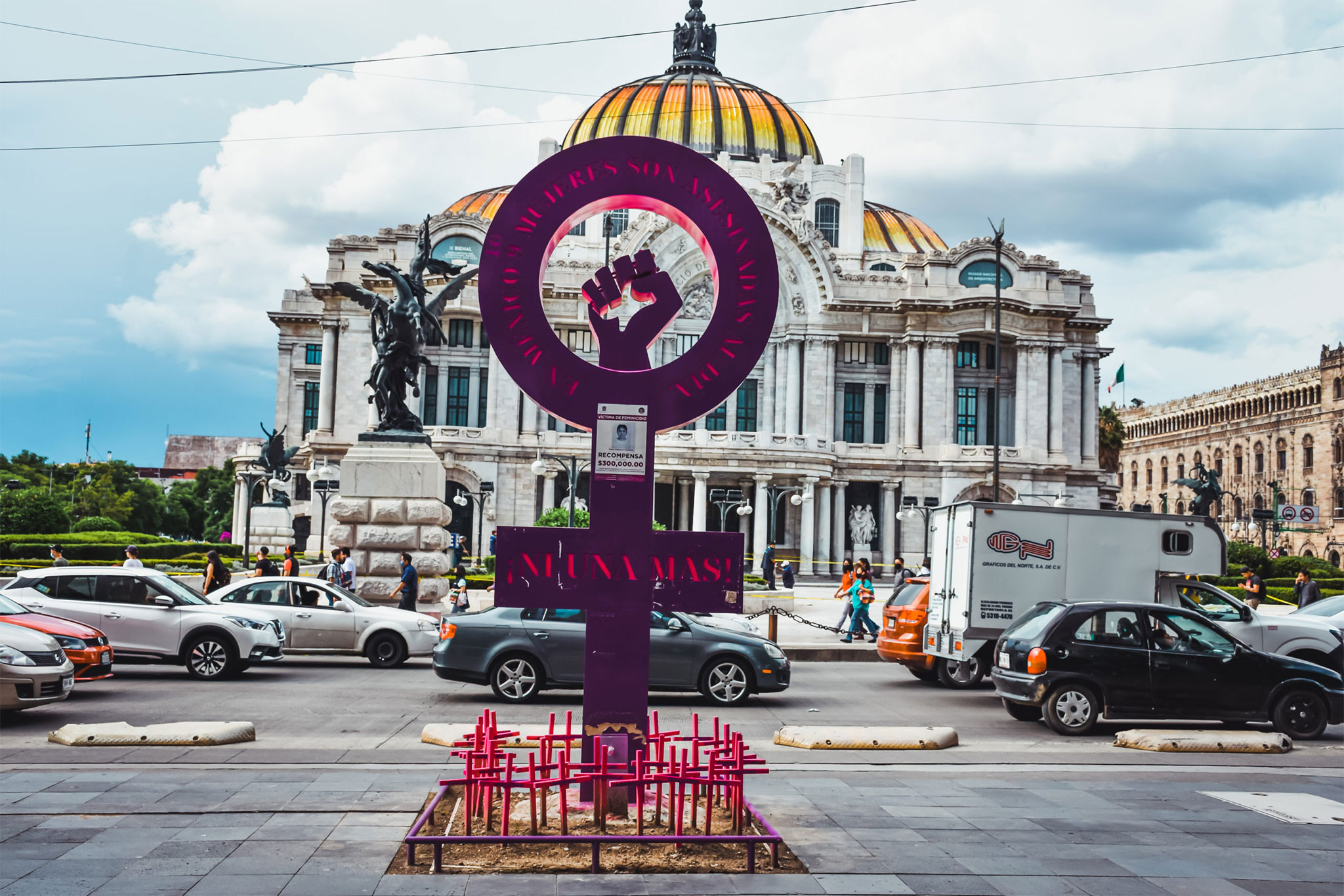
Femicide is a serious violation of human rights, with a profound impact on society; behind each case, there is a story, a family, a legitimate demand for justice that cannot be ignored.
Therefore, at the initiative of the President of Mexico, in coordination with the Secretariat of Women and the Attorney General’s Office, the General Law to Prevent, Investigate, Sanction and Repair the Damage for the Crime of Femicide is being promoted, whose proposal seeks to strengthen the capacity of the State to protect, act promptly, investigate, as well as guarantee truth, justice and reparation for the victims.
The severity of femicide and its occurrence throughout the country requires a standardized approach to understanding, investigating, and punishing it. This law establishes a standardized criminal offense with precise gender-based criteria, recognizing fundamental elements such as prior violence, signs of sexual violence, power imbalances, and contexts of discrimination.
The proposal also establishes firm penalties, including prison sentences of 40 to 70 years, as well as aggravating circumstances that allow for increased sentences in cases of greater vulnerability, such as when the victims are girls, adolescents, pregnant women, or members of historically discriminated communities. Furthermore, it includes provisions for the protection of orphans, the loss of rights for the perpetrator such as parental rights, guardianship, or benefits related to assets belonging to the victims, comprehensive care, legal support, and guaranteed reparations for damages.
One of the most relevant changes in the law is that, in the event of the violent loss of a woman’s life, the State must respond from the first moment with the presumption of femicide. This requires exhaustive investigation models that apply the highest level of care, incorporating a gender perspective, specialized protocols, and reinforced due diligence so that each case is handled efficiently and with sensitivity towards the victims.
Also, the institutional structure is strengthened by proposing that prosecutors’ offices have specialized units with certified personnel.
While standardizing criteria for addressing the crime is essential, public policies that prevent this crime are also required. Therefore, the law includes a prevention proposal with coordination mechanisms between institutions and tools that allow for a better understanding of the phenomenon in order to act preventively: femicide risk screenings, standardized protocols that allow for institutional intervention before the crime occurs, as well as protection mechanisms for women at risk.
Because the State owes truth, justice, and reparation to those who have lost a daughter, a mother, a sister.
For those at risk, the State must provide security and protection. These actions involve recognizing the problem and acting accordingly.
Protecting women, girls and those who have been made invisible: is an obligation that we must assume with conviction.
Ernestina Godoy Ramos is the Attorney General of Mexico.
-
People’s Mañanera March 30
President Sheinbaum’s daily press conference, with comments on investments in Fine Arts & Anthropology & History institutions, Cuba, lawsuit by Mexicans who died in ICE custody, and fuel price controls.
-
Mexico’s Mobile Consulates in the US
Such consulates perform an extremely important task, especially when the policies of the US administration under Donald Trump are becoming increasingly aggressive.
-
Mental Health at Risk
The damage to the mental health and lives of millions of people may already be, to some degree, irreversible; the question is whether we will have the capacity to regulate digital platforms.