A New “40 Hour” Workweek… With Six Days?
This article by Felipe Morales Fredes originally appeared in the December 4, 2025 edition of El Economista.
I am fortunate to be part of a representative group of the working population that rests two days a week; this has been the case for almost my entire professional life. So the statement that forms part of the title of this column is made assuming I am part of the entire workforce of this country: We will not have an additional day off!
President Claudia Sheinbaum presented her proposed 40-hour workweek reform on Wednesday, and it is indeed about reducing working hours, not working days. The proposal, sent to the Senate, maintains the formula of six working days and one day of rest.
In the package of two reform initiatives, one to article 123 of the Constitution and another to various provisions of the Federal Labor Law, the president mentions the word rest 33 times , but what she proposes does not necessarily guarantee it.
The President points out that working additional hours beyond the limits of each workday is ‘voluntary’, as it is the decision of the worker to do so… it remains to be seen whether all companies will understand this.
The bill that was frozen in the Chamber of Deputies in the last legislature promoted precisely a new format, one of five working days and two days of rest, guaranteeing that all working people – at least those who participate in the formal market – would effectively have more free time guaranteed.
“A healthy work environment implies not only adequate physical conditions, but also reasonable rest periods that allow for the recovery of the body and mind, family life, and personal development,” Sheinbaum states in the package of reforms sent to the Senate.
Their proposal, however, by maintaining the six-day workweek, leaves it up to employers to effectively reduce either the weekly or daily working hours. Although in a culture of strict adherence to minimum regulations, the latter is more likely. That is to say, only an additional hour and twenty minutes of free time per day, on average, but with the same traffic and time spent commuting.
What the official proposal does regulate is overtime, increasing the weekly limit from nine to twelve hours. These hours must be distributed over a maximum of four hours per day, spread over four days during that week. They will be paid at double the rate.
But it also leaves open the possibility of four additional ‘extra-extra’ hours per week if the 12-hour limit is reached, which must be paid at triple the rate. In other words, it openly permits 12-hour workdays if necessary, but with proper compensation.
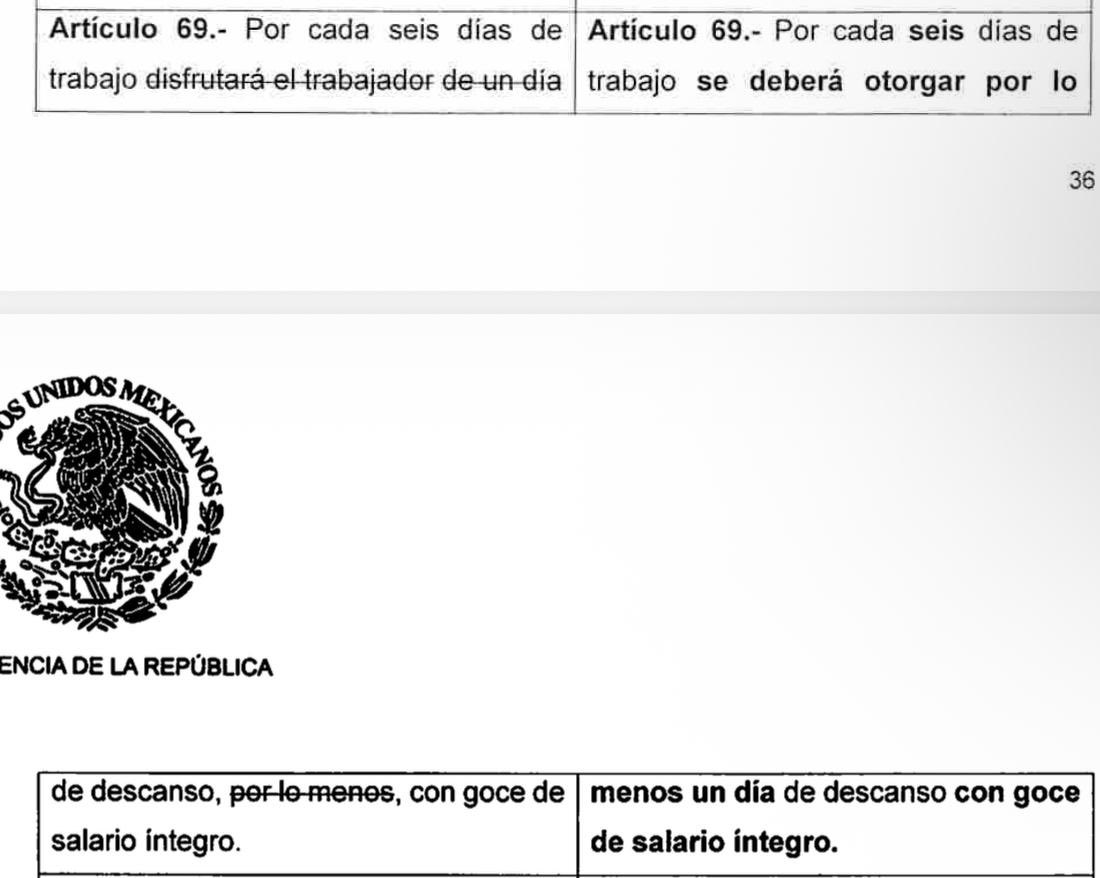
Of course, the President points out that working additional hours beyond the limits of each workday is ‘voluntary’, as it is the decision of the worker to do so… it remains to be seen whether all companies will understand this.
In reality, the project seems more concerned with detailing the rules on overtime than with strengthening rest periods. The new weekly limit might sound like a flexibility option, but in practice it expands the margin for extending working hours, albeit at the discretion of the employees.
If the aim was to improve quality of life, the reform falls short. It doesn’t change the six-day workweek, it expands the possibility of working more, and it leaves the structural problem of insufficient rest unresolved.
Mexico has an opportunity to reimagine working hours and put well-being at the center. Instead, the proposed plan offers a symbolic reduction that leaves intact the 6×1 formula in place since 1917. It seems the right to rest will remain subordinate to the culture of long hours.
-
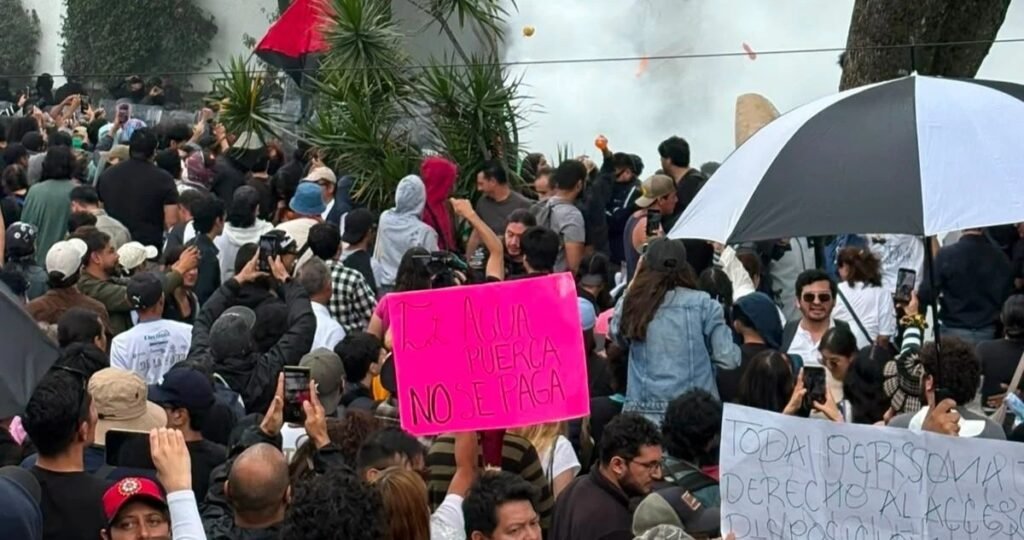
Thousands Demand Clean Water in Jalisco and Lemus Uses It to Repress Them
In Jalisco, governed by the opposition party Movimiento Ciudadano, police met the march with water cannons and tear gas, and protesters reported arrests and two people disappeared.
-
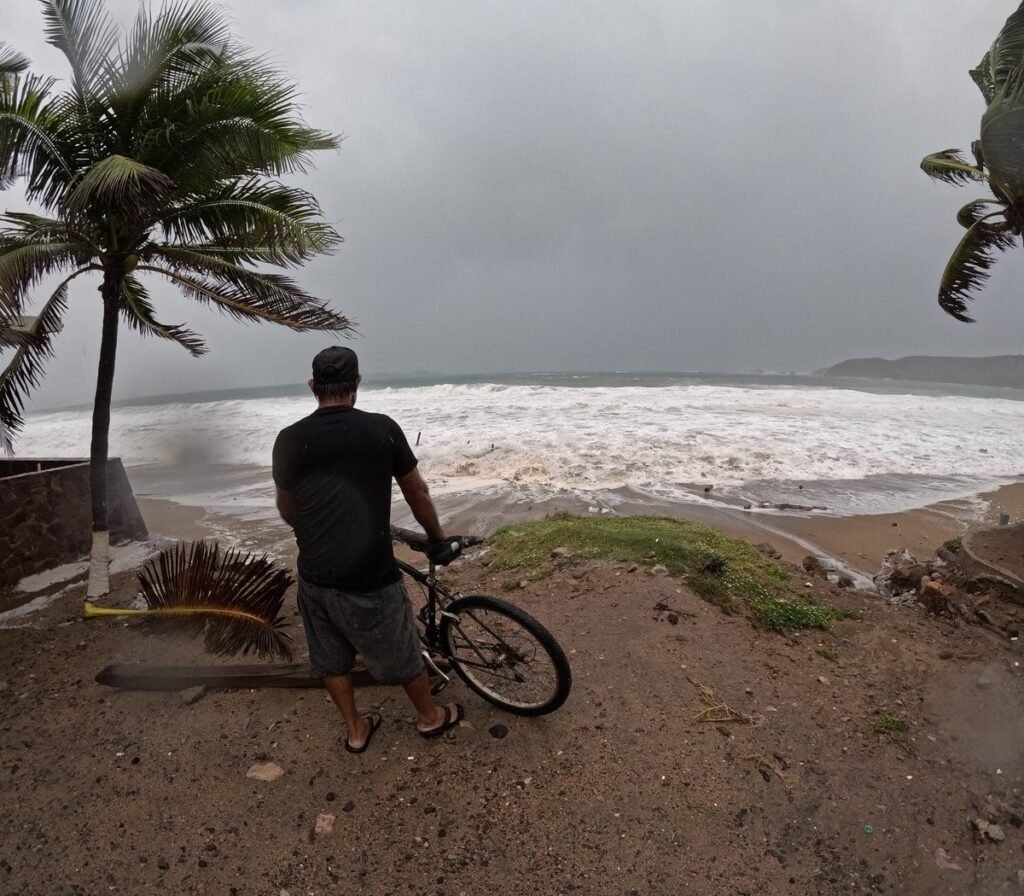
Hurricane Simon Paralyzes Towns and Highways in Jalisco Amid Forecast That It Will Make Landfall
With an erratic path, the Category 4 storm keeps the coast shut in under nonstop rain, though no casualties have been reported so far.
-
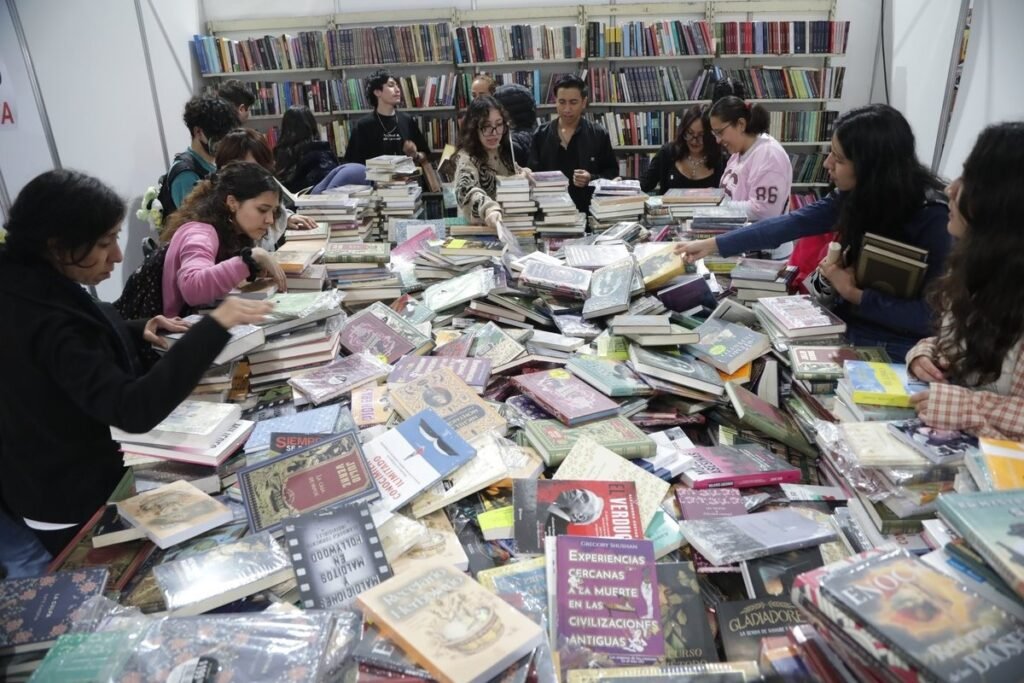
Mexican Book Fairs
“Book fairs in Mexico are among the great gatherings that speak of how a people nourishes itself on books,” observes Poniatowska.