Bañogate & Openings for the Right
This editorial by Victor M. Quintana S. originally appeared in the December 31, 2025 edition of La Jornada, Mexico’s premier left wing daily newspaper. The views expressed in this article are the author’s own and do not necessarily reflect those of Mexico Solidarity Media, or the Mexico Solidarity Project.
It happened in Chihuahua, but the lesson can serve the entire country: On December 15th, the state Congress voted on the economic package submitted by Governor María Eugenia Campos. It generated widespread rejection for several reasons: of a total budget of 117.029 billion pesos, 10.071 billion are earmarked for public debt payments, almost four times the amount allocated to public works: 2.755 billion, which represents only 2.65 pesos out of every 100 pesos the government spends. Extremely high current spending, minimal investment, and few and highly questionable social programs.
Not only that, it includes new debt of 3 billion pesos and the refinancing of four debts for an additional 15 billion pesos, which will keep Chihuahua taxpayers captive until 2050. Furthermore, the payroll tax is increased by 33 percent and the university tax by 50 percent, as well as the costs of vehicle registration, license plate renewal, and the services offered by the state DIF (National System for Integral Family Development).
To be approved, this economic package required a qualified majority of the 33 members of Congress. The Morena parliamentary group, composed of 12 representatives, decided to reject it outright and consistently questioned the debt, the increase in taxes, fees, and services, and the lack of austerity and transparency in the management of public funds.
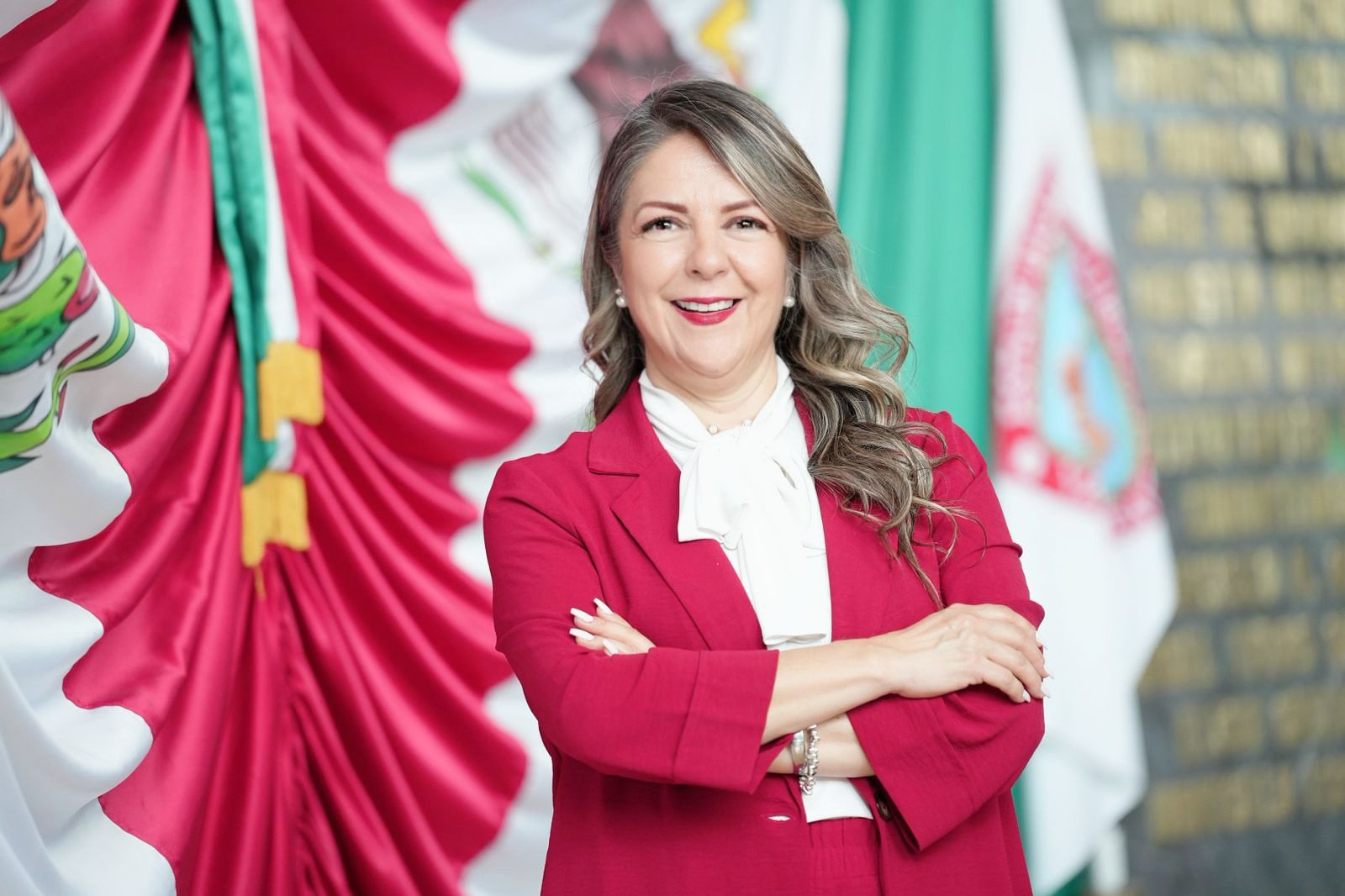
With Morena’s vote against and that of one PT deputy, the entire state government’s economic package was blocked, as it failed to reach the required supermajority (two-thirds of the legislators). However, at the last minute, two Morena deputies and one PT deputy were absent from the session hall, lowering the quorum and thus the number of votes needed for the supermajority. Consequently, the governor’s economic package was approved thanks to the votes in favor from the PAN, PRI, MC, PT, and PVEM parties.
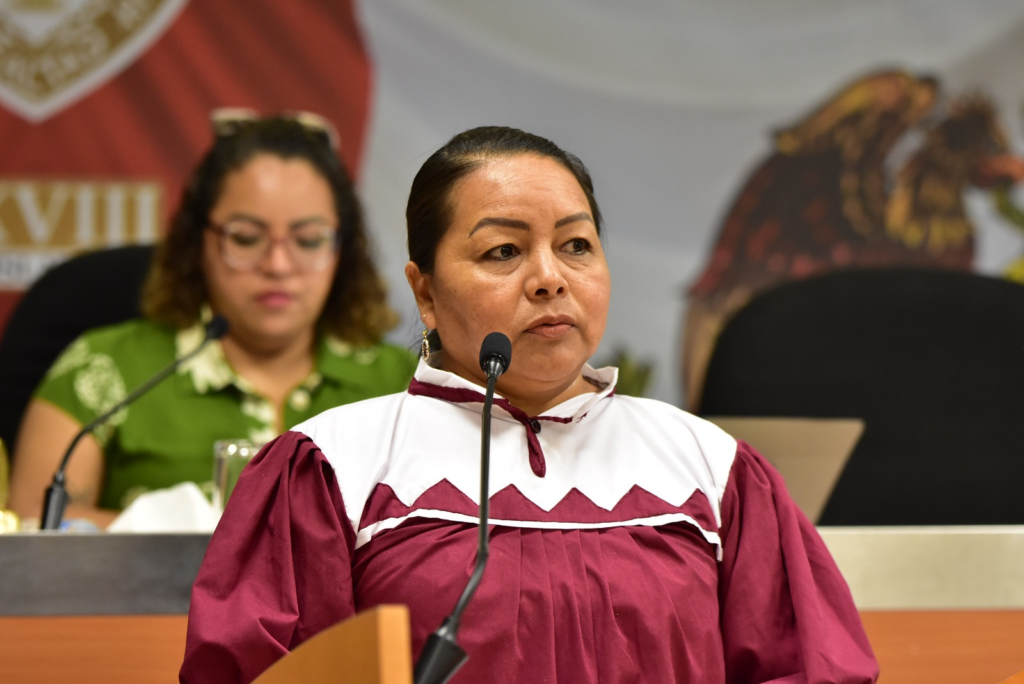
Both Morena party congresswomen claimed they had to “go to the bathroom” during the vote, despite having been informed and warned of its importance. Journalistic ingenuity is now referring to the operation to co-opt the absent congresswomen as “bathroomgate.”
The Morena parliamentary group immediately distanced itself from the two congresswomen who were absent from the quorum, publicly criticizing their stance. One of them responded by filing a complaint against the group’s coordinator “for political violence against women.”
These events should not be seen merely as a passing episode or something of purely local significance. They raise alarm bells about the cracks through which the right wing is infiltrating the parliamentary groups of Morena and the 4T in various parts of the country, weakening their project: First: The ease with which people unrelated to the ideology or the 4T project are accepted as candidates simply because “they are well-known or have a chance of winning,” without having sufficiently verified their loyalty and honesty.
Second: The impunity enjoyed by people who hold a public office for this party, even though they vote in support of governments and decisions that go against the people and have behaviors against the principles of the 4T, such as waste and ostentation or “dangerous relationships” with people or groups that have engaged in illegal conduct.
Third: Alliances at all costs with parties like the PT and PVEM. In Chihuahua, the PT’s voting patterns have always favored the incumbent government, whether PRI or PAN, and this time is no exception. The same has happened and continues to happen with the PVEM. It seems that these parties’ strategy is: “ally with the 4T at the federal level and do whatever you want at the local level.”
They fall in line before the President at the national level, but at the local level, petty interests and the nepotism of the leaders prevail above all else.
Fourth: Although it wasn’t as obvious in the case of Chihuahua, alliances with anti-democratic unions and labor federations, such as the SNTE, also have their drawbacks. First, because the rank and file strongly disapprove of their highly questionable leaders cloaking themselves in the trappings of democracy, austerity, and transparency, even as they continue their corrupt practices of imposition and voter mobilization. Second, because several national federations continue to forge alliances with right-wing local governments behind the backs of their members. As someone once said, “If you don’t want to be led astray, it’s best not to associate with the charros.”
If the Fourth Transformation of the country’s public life is to be complete, it must be implemented in all federal entities and in all aspects of the public sphere. We must be wary of loopholes like those described above. They could collapse the bulwark against neoliberalism and the extreme right, which has been under construction for the past seven years.
-
President Sheinbaum Champions Women Ejido Members & Communal Landowners
The President’s goal for her six-year term is to distribute 150,000 property titles to women ejido members and communal landowners.
-
Families of Missing Persons Request Meeting with President Sheinbaum After Release of Disappearances Data
Families expressed their concern about an update to Mexico’s National Registry which “prioritizes administrative management over the reality of families on the ground.”
-
Clicks
Our weekly roundup of stories in the English and Spanish language press including Mexico’s new film law, Langston Hughes, disappearances, Nuestra América convoy, evictions, deportees, and the trade spat with China.