Bolívar Versus Monroe: Two Antagonistic Visions of America
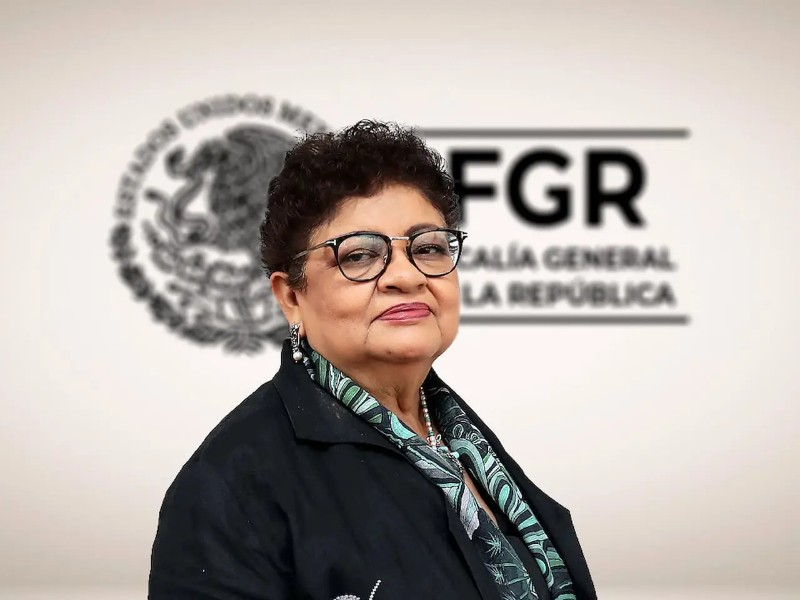
This editorial by Ernestina Godoy Ramos, Attorney General of Mexico, originally appeared in the January 5, 2026 edition of El Universal. The views expressed in this article are the author’s own and do not necessarily reflect those of Mexico Solidarity Media, or the Mexico Solidarity Project.
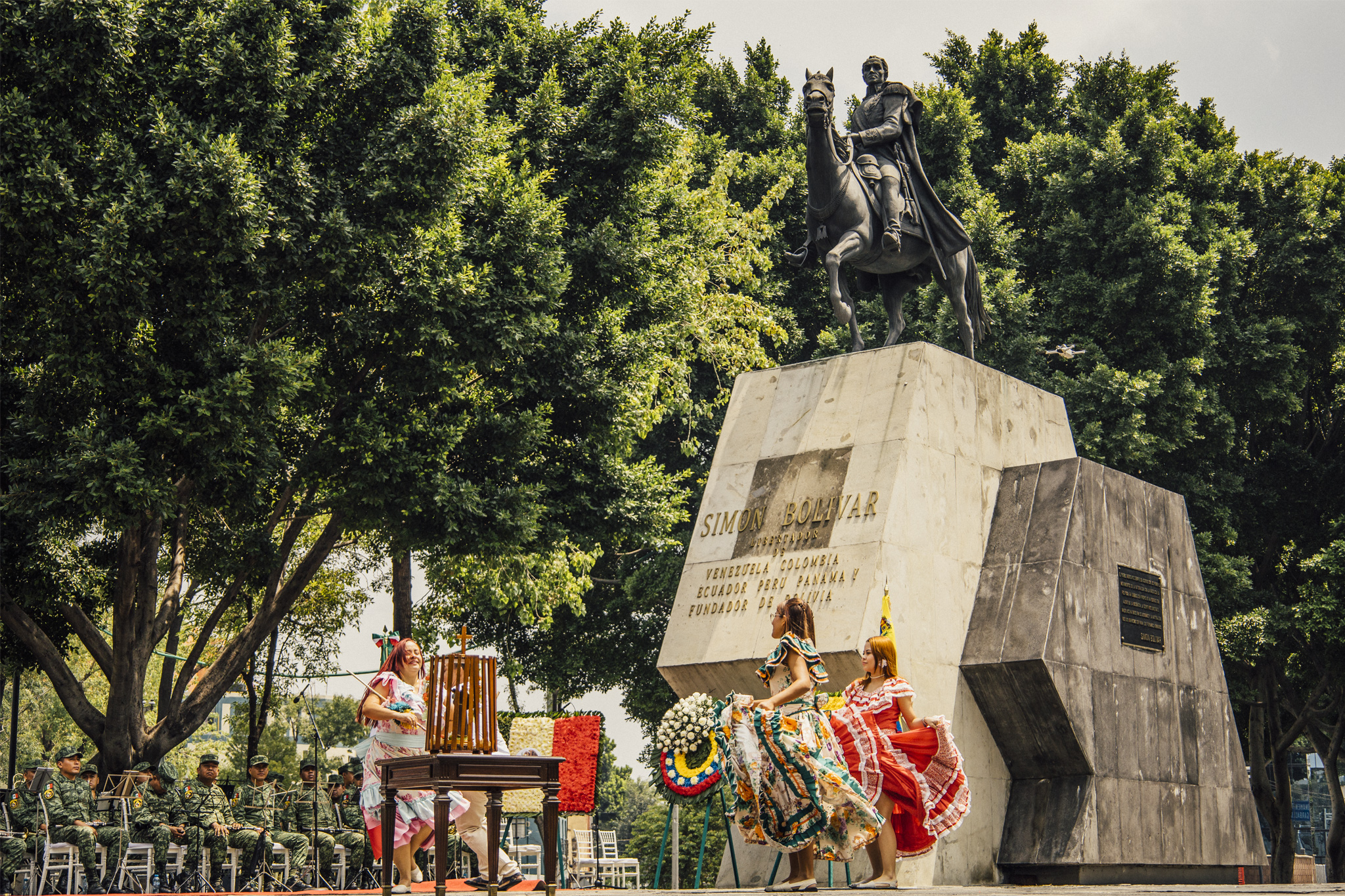
With the illegal and abusive US invasion of Venezuela and the kidnapping of President Nicolás Maduro and his wife in the early hours of Saturday, March 3, we have witnessed the latest chapter in a doctrine that has oppressed Our America for two centuries. This brutal act of force, justified by fallacious narratives, stands in stark contrast to the libertarian legacy of Simón Bolívar, whose thought and foundational texts represent the exact antithesis of the pernicious Monroe Doctrine.
Simón Bolívar, in his Letter from Jamaica (1815) and the Angostura Address (1819), envisioned a united America in sovereignty, where “the unity of our peoples is not a mere chimera of men, but an inexorable decree of destiny.” His vision of collective emancipation, of republics bound by principles of non-intervention and self-determination, sought in 1826 to create a confederation of free states that would protect each other from foreign ambitions, with a system of collective defense based on equality among nations.
In contrast to this Bolivarian vision, the Monroe Doctrine (1823), under the slogan “America for the Americans”, emerged as its perverse counterpart; a markedly bellicose and aggressive policy with which Washington has exercised two centuries of interventionism.
Where Bolívar saw brothers, Monroe saw potential subjects; where the Liberator imagined a confederation of equals, successive US governments have imposed a system of economic and political vassalage with the imperial logic that the Liberator fought against: unilateral military invasions, contempt for national sovereignties and replacement of legitimate governments with puppets aligned with their interests.
The Monroe Doctrine has resulted in over 50 military interventions in Latin America, support for bloody dictatorships, the systematic plundering of natural resources , and the maintenance of asymmetrical trade relations that perpetuate underdevelopment. In the case of Venezuela, the long-standing political and humanitarian crisis has been largely fueled by the economic siege imposed by the United States on that nation, along with the covert actions of its main intelligence agency, all to the detriment of democracy and non-intervention.
The kidnapping of President Maduro and his wife confirms the nefarious expression of this doctrine that considers Latin American leaders as mere removable administrators when they defy the dictates of the North.
In the case of Venezuela, the long-standing political and humanitarian crisis has been largely fueled by the economic siege imposed by the US, along with the covert actions of its main intelligence agency.
Now that US bombs have fallen on Venezuelan soil, we must remember Bolívar’s warning about “the policy of the United States, which seems destined to plague America with misery in the name of liberty.” Faced with interventionist Monroeism, Bolivarianism continues to propose the sensible path of sovereignty, regional integration, and resistance.
“Justice is the queen of republican virtues and with it equality and freedom are sustained,” wrote the Liberator: Today, that justice demands condemning the new chapter of imperial aggression and reaffirming the right of peoples to decide their destiny democratically, without foreign tutelage through local stateless groups.
-
Defense of Sovereignty “Is Not Rhetoric, It’s Principles,” Sheinbaum Says
Sheinbaum recalled foreign pressure on Mexico in the 19th and 20th centuries and blamed the neoliberal governments and Calderón for opening the door to U.S. influence.
-
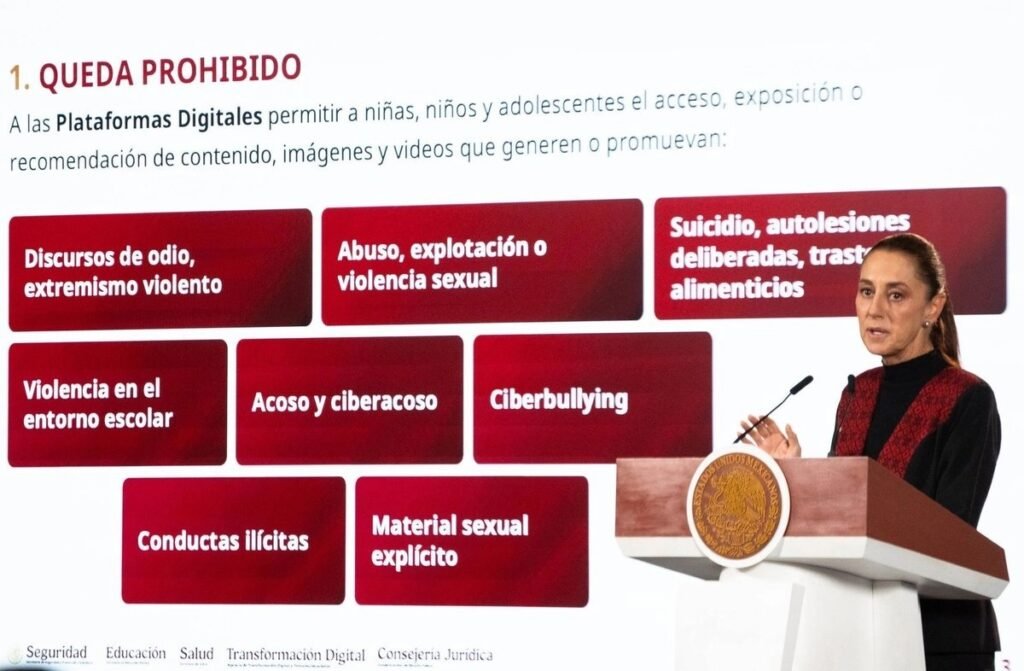
Sheinbaum Presents Draft Decree to Force Digital Platforms to Take Down Content That Incites Violence and Hate
No fines for now: the government will talk with tech companies before publishing the decree next week, a promise made after the Coahuila school attack.
-
People’s Mañanera October 9
President Sheinbaum’s daily press conference, with comments on digital safety, IMSS-Bienestar, sovereignty, and the opposition.