Camino Rojo: Impunity & Reluctance
This column by Carlos Fernández-Vega originally appeared in the April 11, 2026 edition of La Jornada, Mexico’s premier left wing daily newspaper.
Why the reluctance of the Secretariats of Economy and Labour in a delicate case that they are obligated not only to investigate (since the former is legally responsible for mining concessions and the latter for workers’ rights), but also to report broadly and in detail, given that it involves the alleged collusion between a company (in this case a Canadian transnational) and organized crime in something that is not only illegal, but also violates labour rights and should raise alarm bells in security institutions?
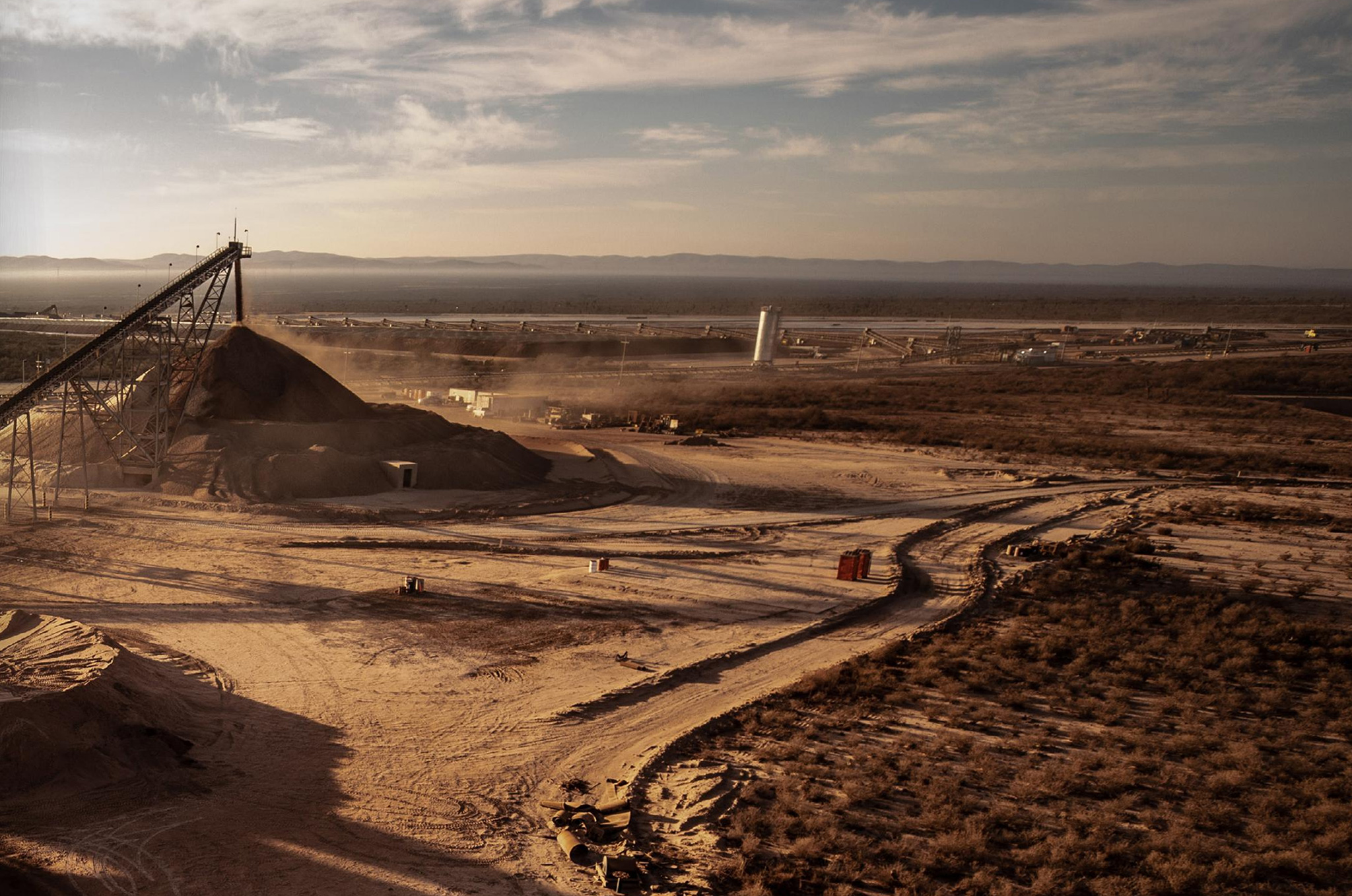
This is reported by Jared Laureles in La Jornada and reads as follows: “The Camino Rojo mine (owned by the Canadian company Orla Mining), located in Zacatecas, used organized crime to threaten its workers, affiliated with section 335 of the National Mining Union, and violate their labor rights, in addition to seeking to make them desert this union, warns the unprecedented investigation by the panel of the Rapid Response Mechanism of the USMCA, which determined that the company ‘is directly responsible for employer interference’ in union activities.”
The complaint continues, stating that the expert panel documented evidence of violence and death threats against workers of the union led by Napoleón Gómez Urrutia, the holder of the collective bargaining agreement, both at union meetings and at their homes. These threats were allegedly made to force the workers to join a company-backed “protection” union affiliated with the National Federation of Independent Unions. “The panel’s findings corroborated that the mine hired a drug trafficker to disrupt union meetings with armed individuals, issue death threats, and coerce workers into accepting the company’s preferred union,” the U.S. Department of Labor stated regarding the ruling.
What about the collusion between the transnational corporation and the drug traffickers? What about the violation of workers’ rights? What about the threats?
In defense of the transnational corporation, the “response”—if you can call it that—was offered by the Secretariats of Labour and Economy: Mexico rejected the panel’s ruling, arguing that—in their view—the mechanism exceeded its scope. They contended that it attempted to analyze conduct of a criminal nature and that the acts of “coercion” could not be attributed to the mining company. Our country “requires that there be a link between the perpetrator of the act and the one held responsible, and that the harm occurred while performing duties or services,” they argued. And as an added bonus, they asserted that although they gathered “evidence and testimonies from workers regarding the threats they suffered,” they ultimately considered these “insufficient to link the company to said conduct.” Fine, but what about the collusion between the transnational corporation and the drug traffickers? What about the violation of workers’ rights? What about the threats?
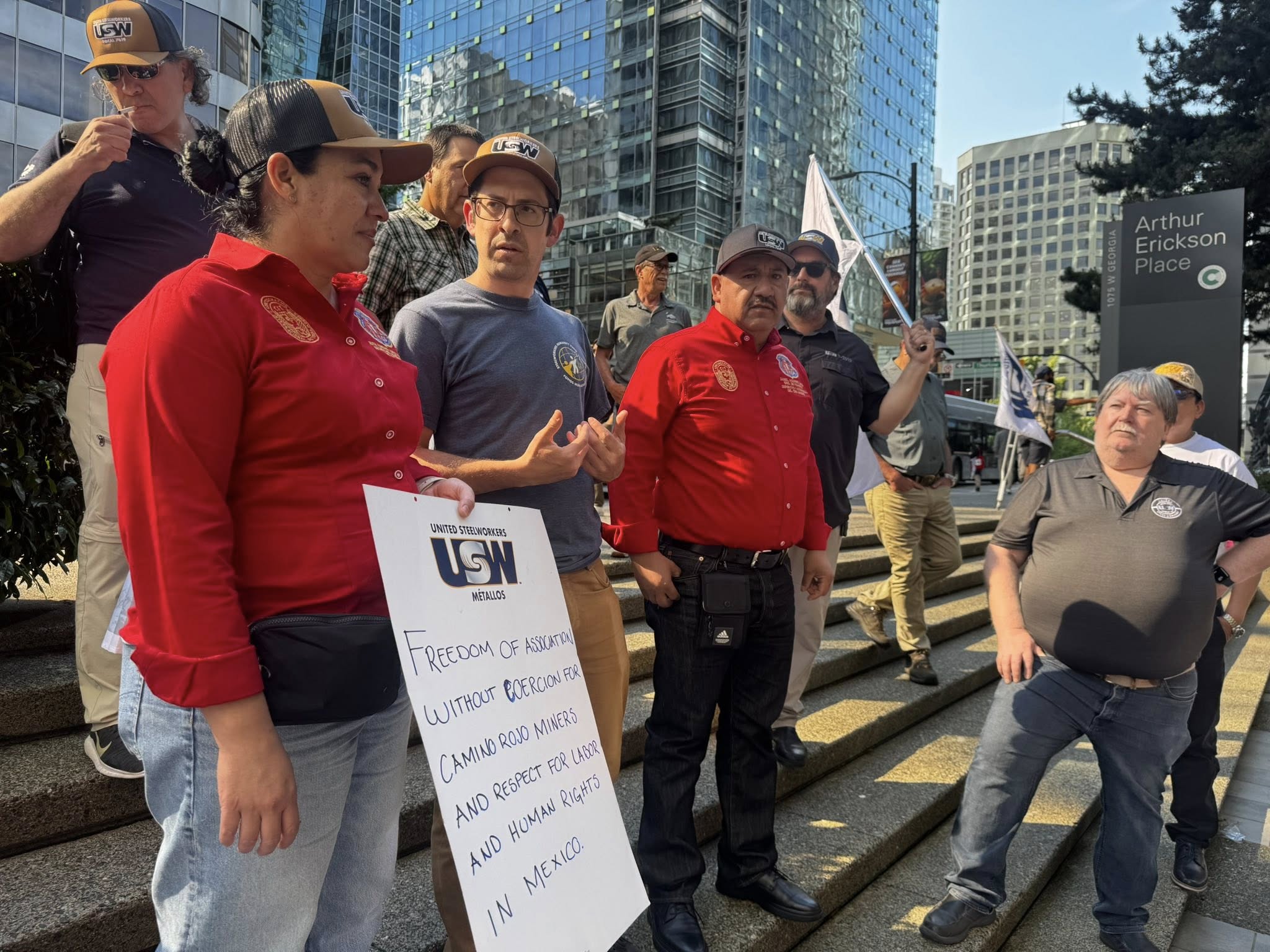
The aforementioned agencies did not go beyond that, even though “the threats of organized crime, perpetrated with the consent of the Camino Rojo mining company in Zacatecas, against the workers of section 335 of the National Mining Union, were displayed before various federal authorities, including security agencies, to which the union organization requested support to safeguard the integrity of the workers, according to documents in the possession of La Jornada” (ibid.).
Furthermore, “the acts of intimidation and violence were documented in special collective proceeding 758/2024 before the Federal Labor Court for Collective Affairs, which, like the union, requested the intervention of the Ministries of National Defense and the Navy in November 2024 during a recount process to determine the ownership of the collective bargaining agreement, so that it could be carried out without violence and without the intervention of drug traffickers. Likewise, the court requested that the State Public Security Secretariat provide 10 officers for the vote to be held on November 22 of that year, but the Secretariat responded that it was not possible because it did not have sufficient personnel available to cover the task.” In short, they simply ignored the miners.
So, what special privilege do mining corporations (both national and foreign) enjoy in Mexico, where they get away with everything – and there are plenty of examples – even in these times when the law is supposed to be applied equally without exception? (Except for mining consortiums and, why not, the occasional drug trafficker linked to them?).
-
Orla Mining: Investigate & Clarify
If it is confirmed that the Canadian mining company hired criminals to persecute its workers, the sanction cannot be limited to an administrative procedure, as this would allow companies to normalize fines as just another operating cost.
-
People’s Mañanera April 10
President Sheinbaum’s daily press conference, with comments on electoral reform, Barcelona reformist summit, electoral auditing, the economy, World Cup and former Michoacán governor Silvano Aureoles’ arrest warrant.
-
Mexico’s 2027 Preliminary General Economic Policy Guidelines: Out of Touch with Reality
The government must abandon its policy of fiscal austerity and stop responding to international rating agencies and financial capital. It must act in favor of national production & employment.