Cananea Strike Against Tycoon Germán Larrea Ends After 18 Years on the Picket Line
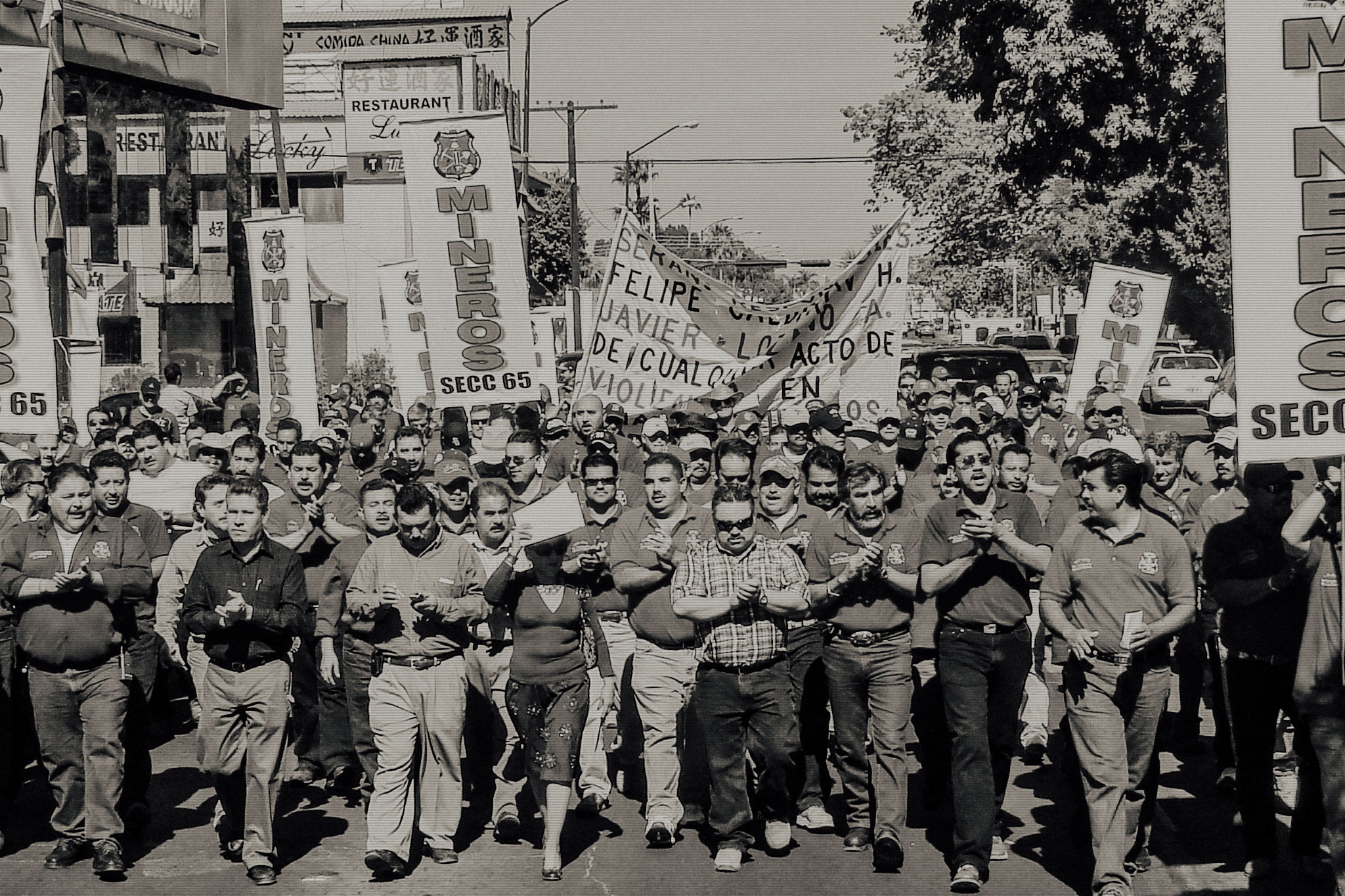
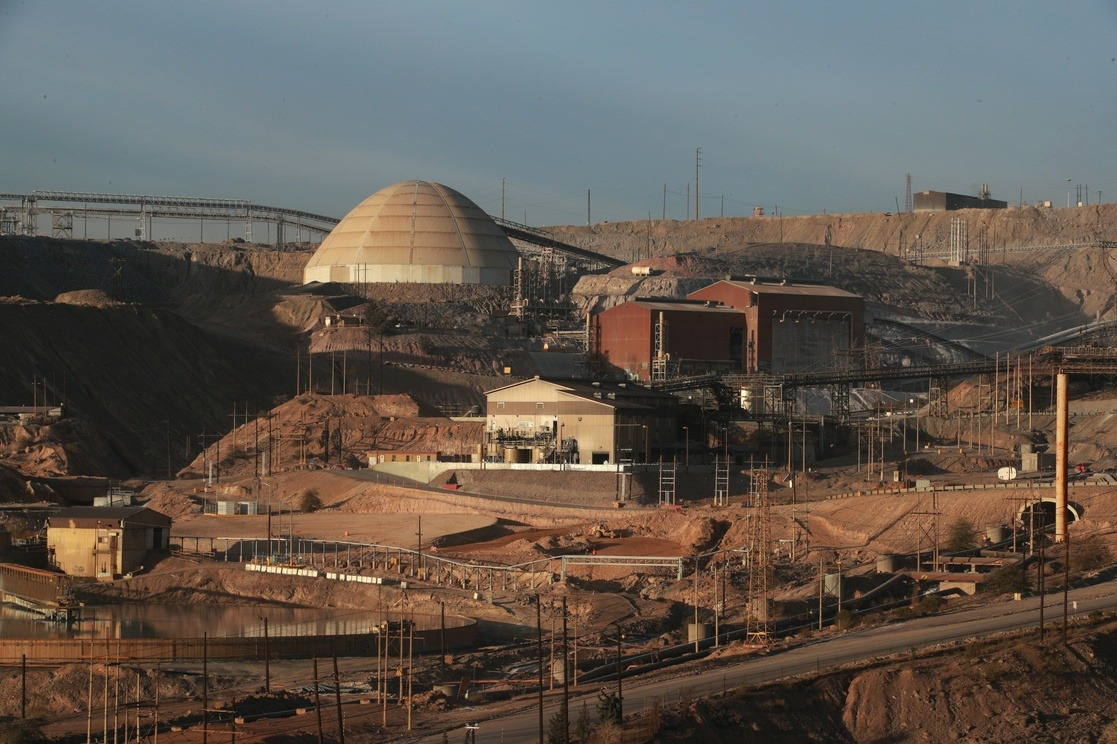
Mexico City. After 18 years of protest, the National Union of Mining, Metallurgical, Steel and Similar Workers of the Mexican Republic, headed by Napoleón Gómez Urrutia, announced the end of the strike they were holding in Cananea, Sonora, after reaching an agreement with the federal government.

In a statement, the Union reported that “after 18 years of struggle, miners from section 65 of Cananea, Sonora” approved a final agreement on the Comprehensive Solution Plan that was negotiated with the Government, through which severance pay, social security, and pensions for unemployment and widowhood are guaranteed for the workers.
“The agreement is part of a Comprehensive Solution Plan developed with the participation of the Mining Union, the President of the Republic, the Ministry of the Interior, the Ministry of Labor and Social Welfare, and the Government of the state of Sonora, within the framework of the remediation plan for Cananea announced by the Federal Government,” the statement reads.
In its statement, the Union explained that the strike broke out in July 2007 as a result of the terrible working conditions at the mine owned by Grupo México, owned by businessman Germán Larrea.
“During those years of strike, the mining community and their families endured economic hardship, illegal persecution, and the irreparable loss of valuable colleagues, always with the firm conviction of achieving a fair agreement,” he noted.
-
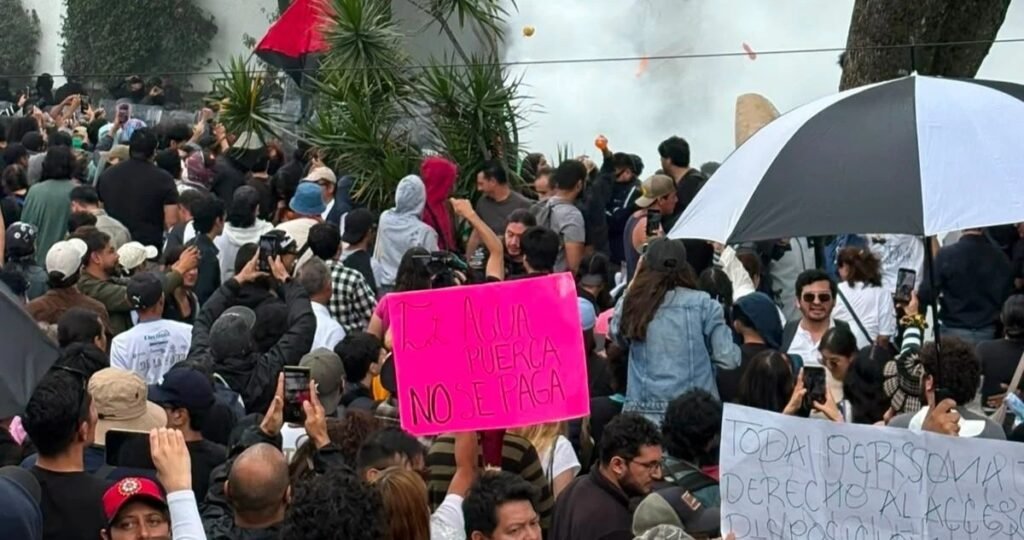
Thousands Demand Clean Water in Jalisco and Lemus Uses It to Repress Them
In Jalisco, governed by the opposition party Movimiento Ciudadano, police met the march with water cannons and tear gas, and protesters reported arrests and two people disappeared.
-
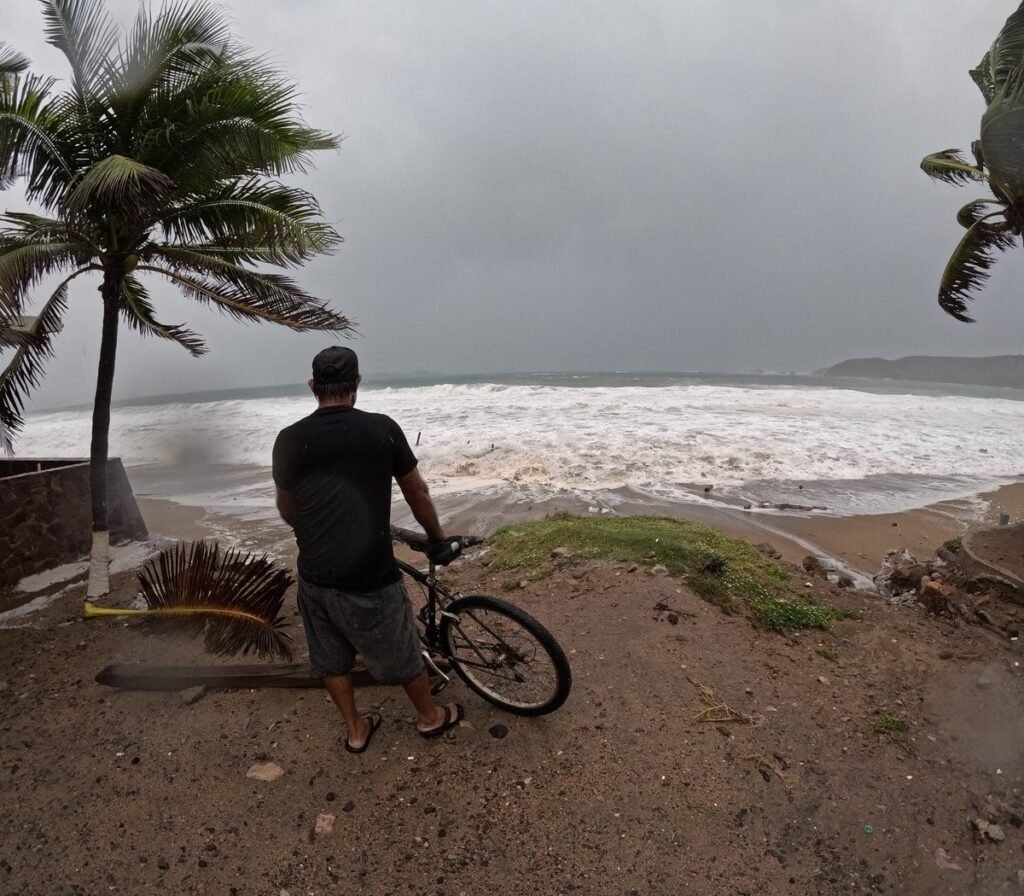
Hurricane Simon Paralyzes Towns and Highways in Jalisco Amid Forecast That It Will Make Landfall
With an erratic path, the Category 4 storm keeps the coast shut in under nonstop rain, though no casualties have been reported so far.
-
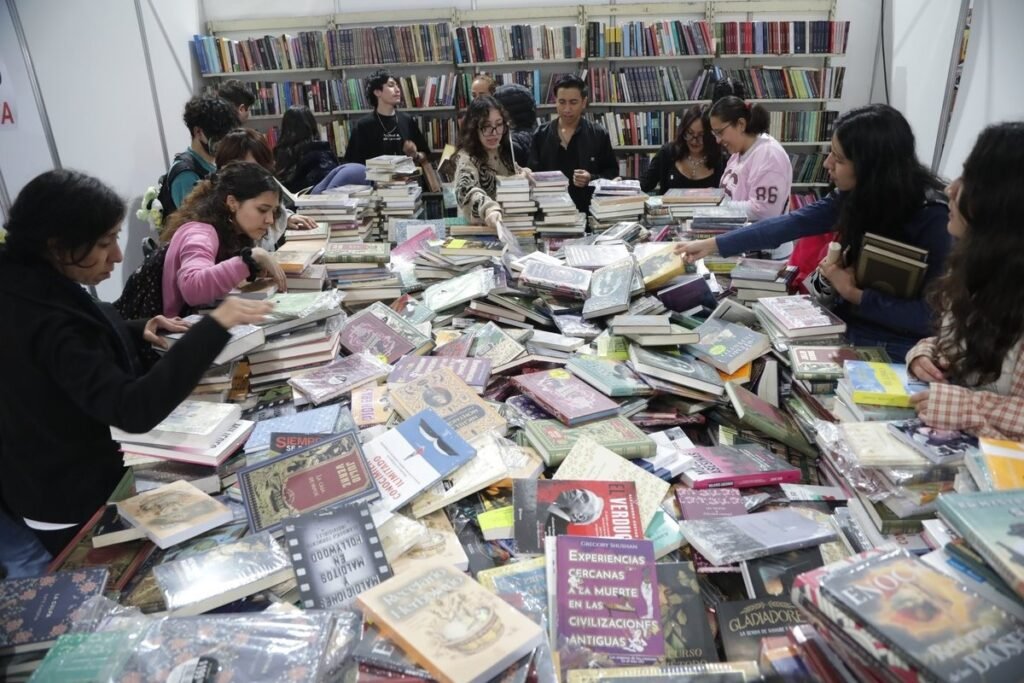
Mexican Book Fairs
“Book fairs in Mexico are among the great gatherings that speak of how a people nourishes itself on books,” observes Poniatowska.