Mexican Cinema, Receiving Increased Incentives, on the Rise at the Box Office
This article by Jorge Caballero originally appeared in the December 18, 2025 edition of La Jornada, Mexico’s premier left wing daily newspaper.
Led by the Ministry of Culture of the Mexican government, the press conference for the 2025 Film Balance was held yesterday, where the Mexican Institute of Cinematography (IMCINE), National Film Archive, Center for Cinematographic Training (CCC) and Studios Churubusco shared the achievements and progress of each agency in this past year, as well as the plans for the immediate future that have been projected to improve domestic cinematography.
With a positive assessment, the announcement by the Secretary of Culture, Claudia Curiel de Icaza, that the new Federal Film Law will be presented to the Congress of the Union next February, was highlighted. Curiel de Icaza mentioned that “it is a priority law, which has been lobbied for and will be enacted in February.” She also emphasized the figures showing an increase in box office revenue for Mexican films, the increased support for the film industry through education, creation, exhibition, and preservation of Mexican cinema, among other topics.
It is worth mentioning that for the first time in a decade, the amounts for Eficine increased; in August, the Chapultepec National Film Archive fully reopened; the CCC signed an agreement with the SEP to achieve certification of its entire academic offering; Studios Churubusco strengthened and generated new collaborative relationships, for example.

Changing Narratives
When asked directly about the transformation of narratives in the Mexican film industry and the discontent among some sectors regarding how things have been done, Curiel de Icaza responded: “It’s too early to say whether there’s a complete change in the film narrative… not everyone will ever be happy. But we’re here to talk and to say that support has been expanded, that the law is coming, that work is underway to democratize and improve the application process. There’s still work to be done, and everything can be improved…” She emphasized: “We know there’s a long road ahead, but there is support and political will that begins with President Claudia Sheinbaum Pardo.”
For her part, Marina Stavenhagen, head of the National Film Archive, reaffirmed her commitment to the promotion, preservation, and expansion of film culture. She stated that 31,321 screenings were held, attracting 1,351,116 attendees. A total of 218 films premiered, 77 of which were Mexican, strengthening the presence of Mexican cinema within a diverse and international program.
It should be emphasized that Mexican cinema represented 35 percent of the total films shown and accounted for 16 percent of annual attendance.

Among the titles with the largest audience, Soy Frankelda, by brothers Arturo and Rodolfo Ambriz, stood out, becoming the most watched Mexican film, with 45,742 attendees.
Daniela Alatorre, head of the Mexican Film Institute (IMCINE), stated that for the first time in a decade, the amounts for the Tax Incentive for Investment Projects for National Film Production and Distribution (EFICINE) have increased. For the 2026 call for proposals, an increase in the maximum amounts per project was approved: from 20 to 25 million pesos for production and from two to three million pesos for distribution.
He also mentioned that “support for filmmaking by indigenous and Afro-descendant communities was maintained through the Incentive for Audiovisual Creation in Mexico and Central America for Indigenous and Afro-descendant Communities (ECAMC). In 2025, the highest number of projects received support since the incentive’s inception.”
The director of the CCC, Dinorah Ramírez, highlighted that 50 years after its founding, the film school has consolidated itself as the space for training new perspectives on Mexican cinema, since “in 2025 an agreement was signed with the Ministry of Public Education to achieve the certification of the entire academic offering; online training was increased, with the objective that learning and making films is an accessible right for all communities in the country.”
Finally, Cristian Calónico, director of Estudios Churubusco, highlighted the unveiling of a commemorative National Lottery ticket; the cancellation of a postage stamp; three live musical concerts with the support of the Society of Authors and Composers of Mexico (SACM); the publication of two books dedicated to the memory and history of the workers of Estudios Churubusco; and the Coral of Honor awarded by the 46th edition of the Havana Film Festival in Cuba.
-
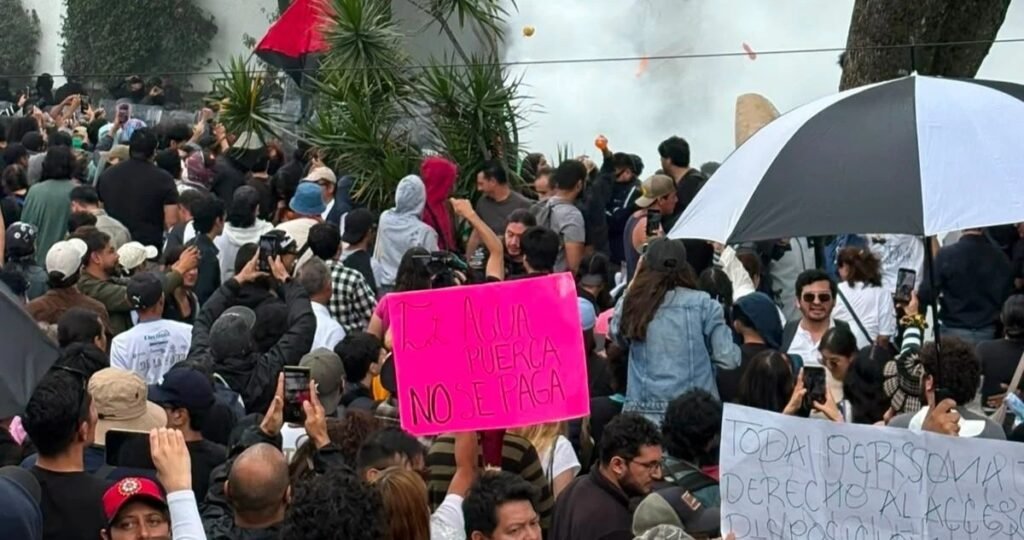
Thousands Demand Clean Water in Jalisco and Lemus Uses It to Repress Them
In Jalisco, governed by the opposition party Movimiento Ciudadano, police met the march with water cannons and tear gas, and protesters reported arrests and two people disappeared.
-
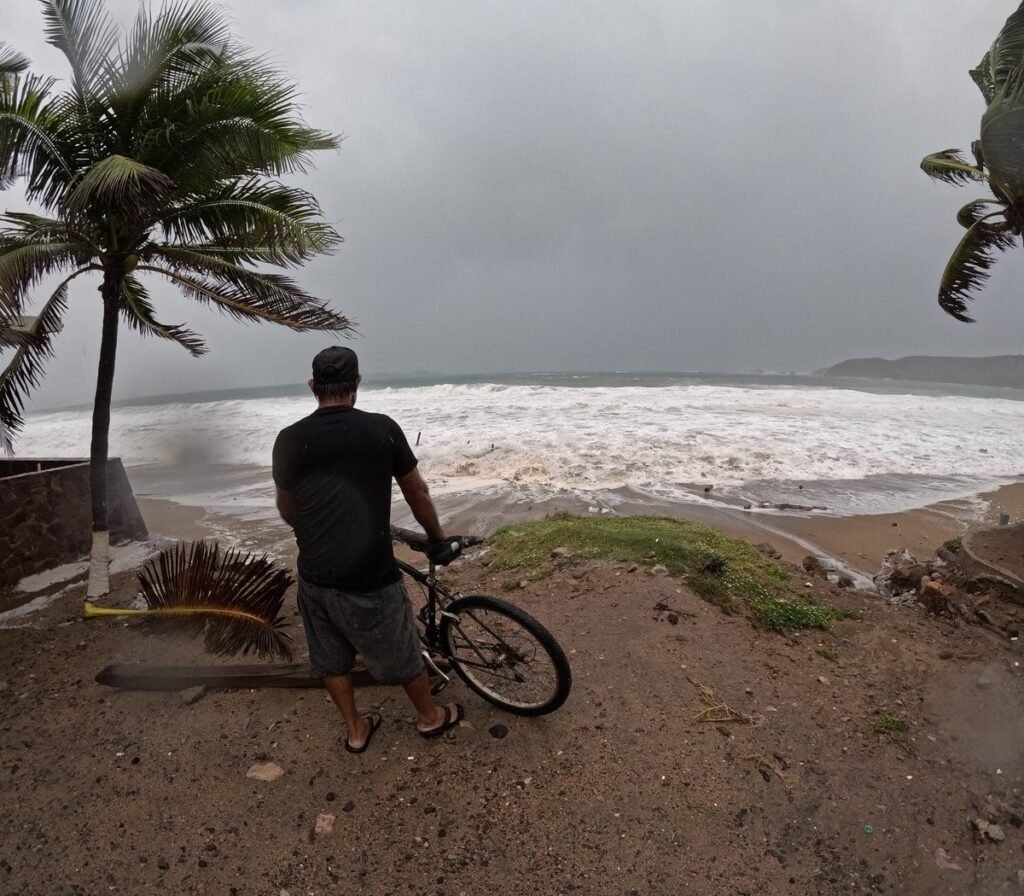
Hurricane Simon Paralyzes Towns and Highways in Jalisco Amid Forecast That It Will Make Landfall
With an erratic path, the Category 4 storm keeps the coast shut in under nonstop rain, though no casualties have been reported so far.
-
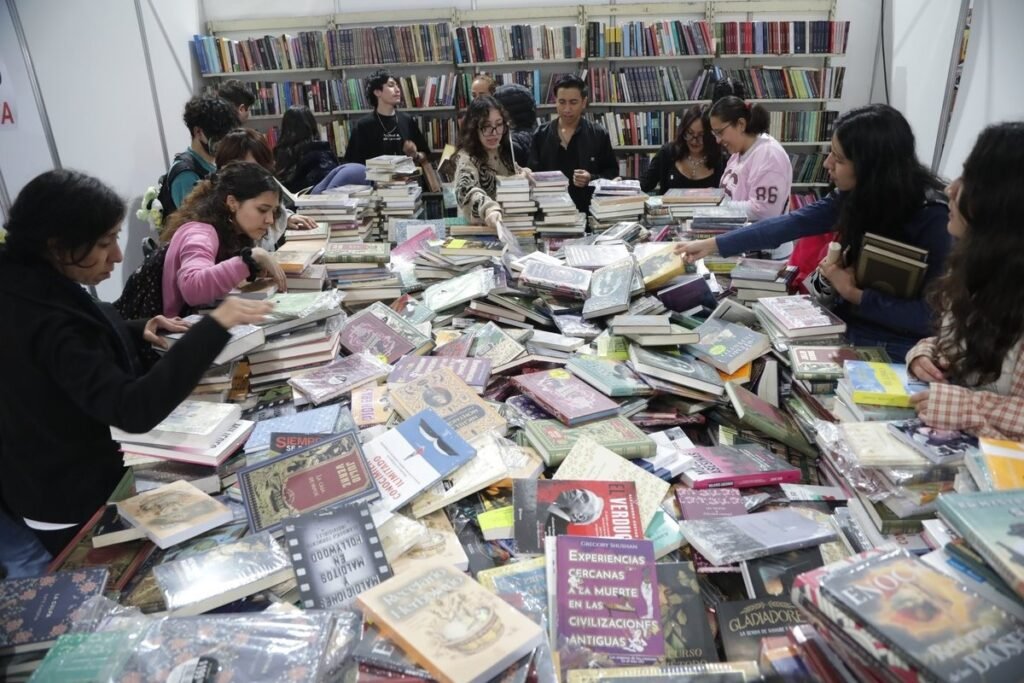
Mexican Book Fairs
“Book fairs in Mexico are among the great gatherings that speak of how a people nourishes itself on books,” observes Poniatowska.