How an Alliance of Corrupt Police Officers, the CIA & the DEA Gave Rise to the Cartels
Since World War II, the main institutional protection structures for drug trafficking in Mexico have been linked to the CIA and the DEA.

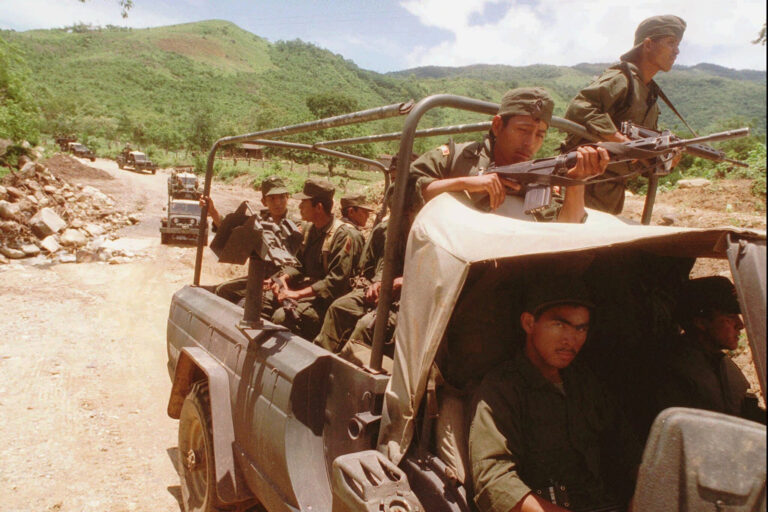
Since World War II, the main institutional protection structures for drug trafficking in Mexico have been linked to the CIA and the DEA.

A change is needed in Mexico’s prevailing economic policy, which has undermined endogenous conditions for capital accumulation, leading to stagnation & dependence on imports and capital inflows, and placing us in a highly vulnerable position at the mercy of international capital.

Everything indicates that the impact of sending 28 million children and adolescents home was not properly assessed in a context where the vast majority of parents do not have the time or resources necessary to adapt to such a significant and sudden change in their routines.

This could be interpreted as a media operation and pressure tactic against the Mexican government, just weeks before the renegotiation of the USMCA.

More than a year and a half into Mexico’s new administration, the assessment is clear: the economic transformation has not taken shape. It is not enough to simply say that the Fourth Transformation continues.

US drug policy in Latin America is just a means to an end: dominance and control, an extension of their imperialist foreign policy, writes José Luis Granados Ceja.

José Jacobo Femat of the Central of Peasant & Popular Organizations, rejects the USMCA entirely, saying free trade agreements have effectively turned Mexico into a colony of US multinationals.
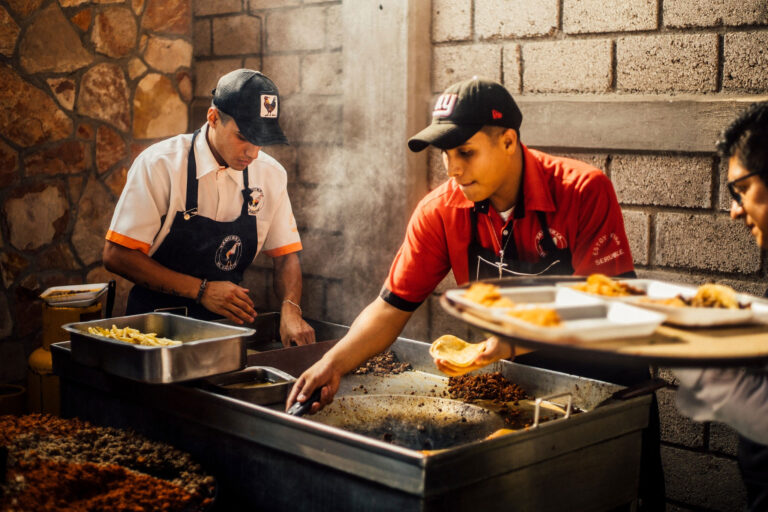
Substantive advances such as wage increases exist alongside serious deficiencies in working conditions & institutions: a lack of labour inspectors, undemocratic unions, growing informality and the privatized pension system.
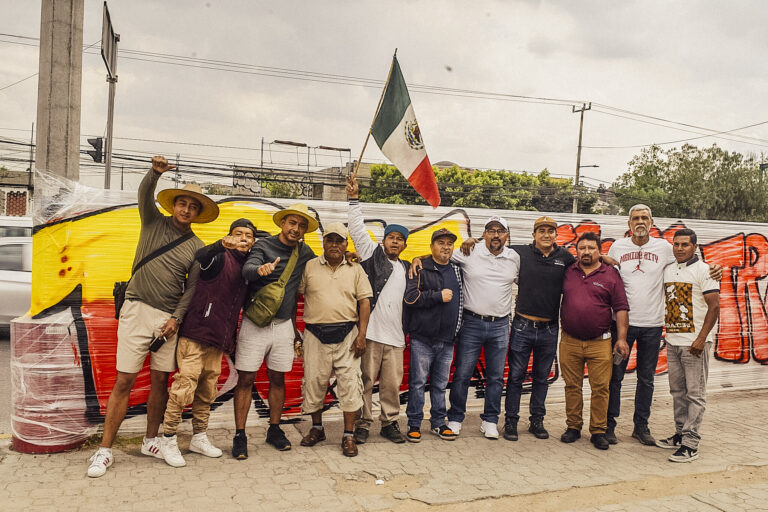
Despite armed attacks, police collusion & an unsympathetic state (to say the least), the strike at Tornel continues as over a thousand workers square off against an exploitative, aggressive transnational.

The US has not only historically benefited from the labor of millions of migrants; it has built its economic power on them. And Mexico, at the same time, has paid a very high price: loss of productive capacity, rural decline, community uprooting, and dependence on a model that expels people only to turn them into cheap labor.