José Clemente Orozco. The Terrible Gaze
Justino Fernández used to say that Orozco’s painting contains signs whose message does not leave the public at peace; it is an expression of the consciousness of his time.

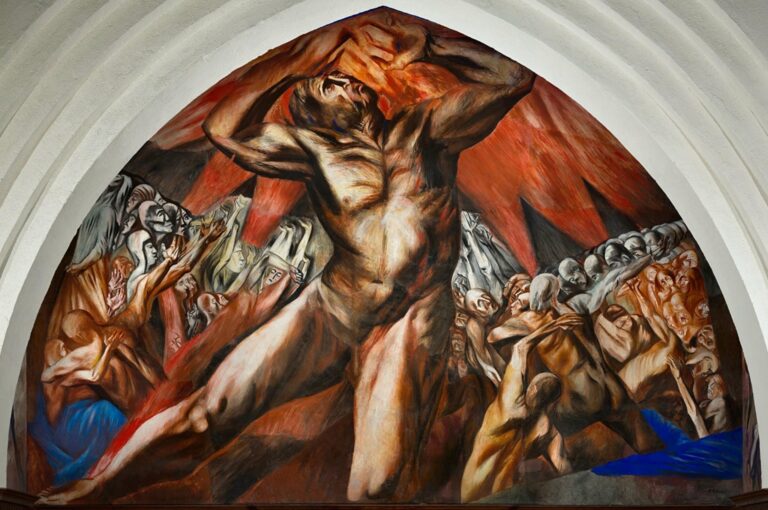
Justino Fernández used to say that Orozco’s painting contains signs whose message does not leave the public at peace; it is an expression of the consciousness of his time.
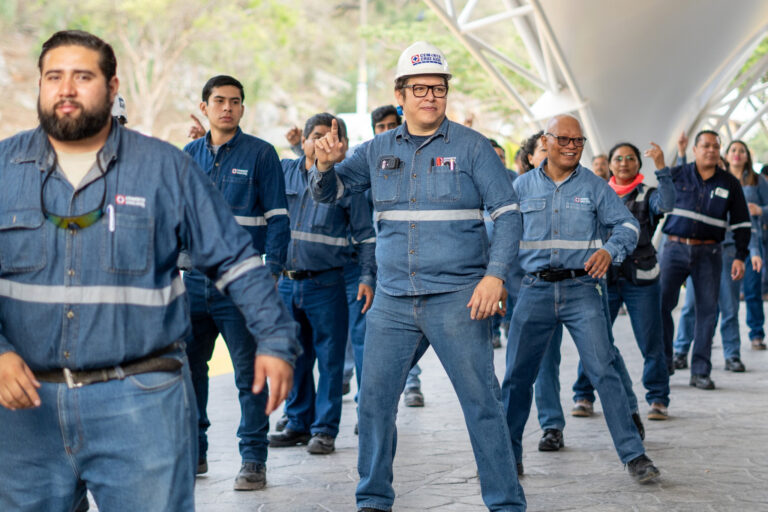
Once the workers took control of the factory, they began to seek the development of well-being, and that is how the group of cooperatives was created and with it the town of Jasso.
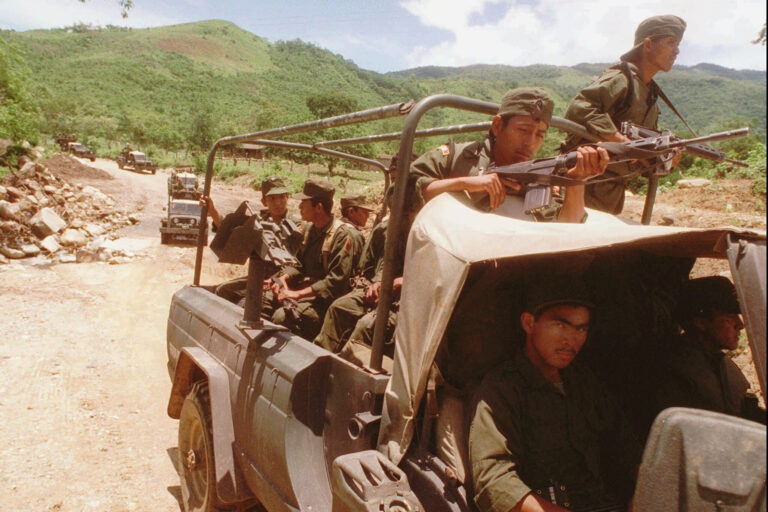
Since World War II, the main institutional protection structures for drug trafficking in Mexico have been linked to the CIA and the DEA.
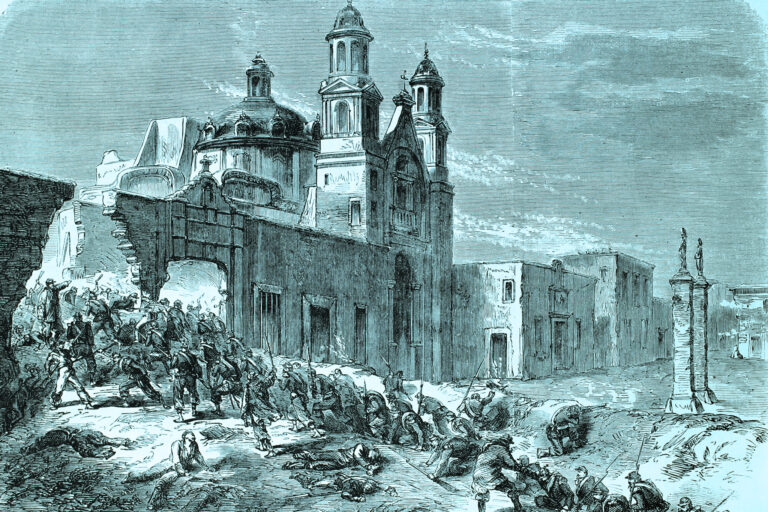
US alcohol corporations have largely coopted this holiday, marketing it as an occasion to party, not to celebrate an anti-imperialist victory, much less motivate the Chicano people’s ongoing struggle against racism and national oppression.
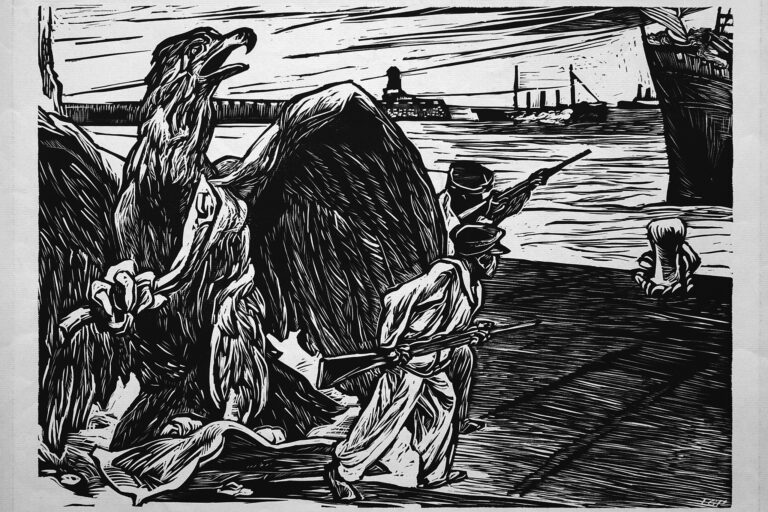
April 21st marks the 112th anniversary of the popular defense of the Port of Veracruz against US occupation.
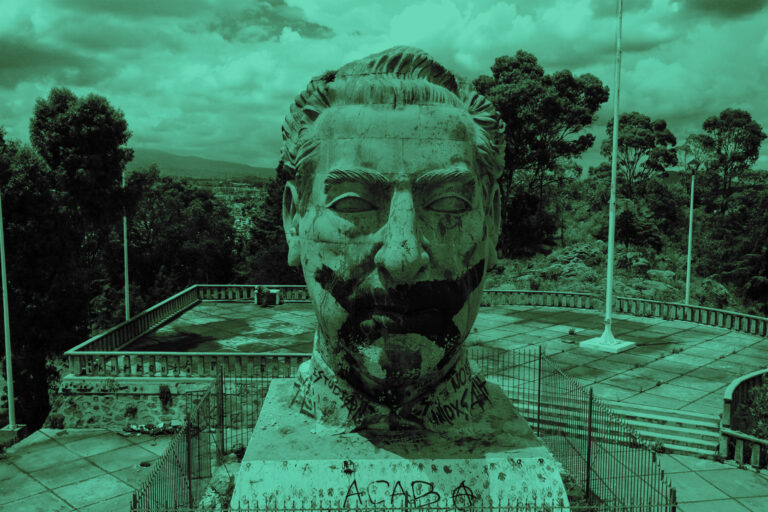
More than six decades later, recently released CIA documents related to the JFK assassination conjure a scene that does not fit within the rhetoric of sovereignty.
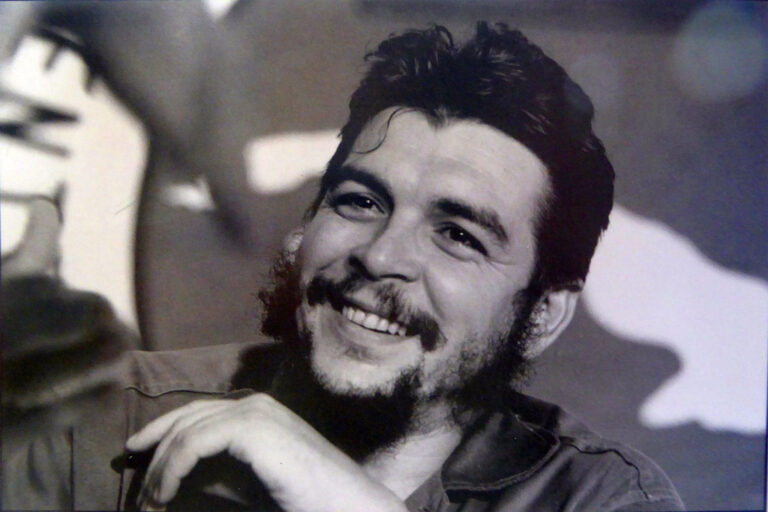
“I believe that all the problems facing our revolution, the vital problems, those that transcend the national peculiarities of each country, encompass the entire American continent.” A 1959 interview with Che Guevara.
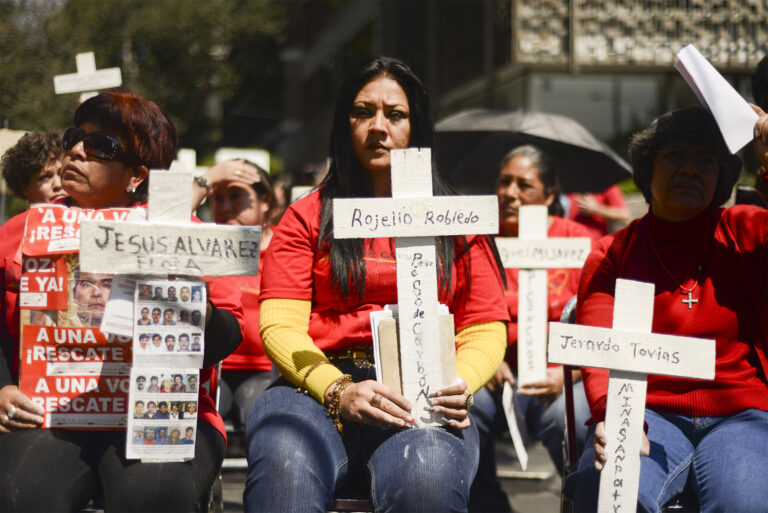
Two decades since 65 miners lost their lives, families continue to demand justice. Not all the bodies have been recovered, nor has Grupo México been fully held accountable.
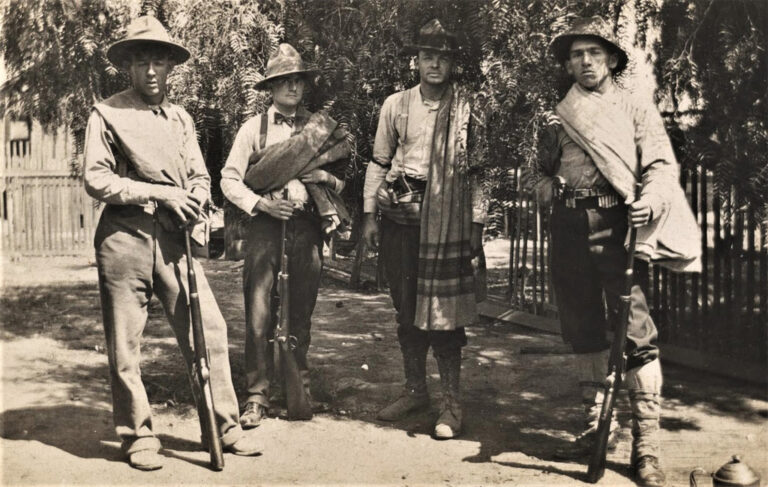
US imperial intrusion into Mexico has another side: US citizens in Mexico contesting imperialism and constructing revolutionary change.
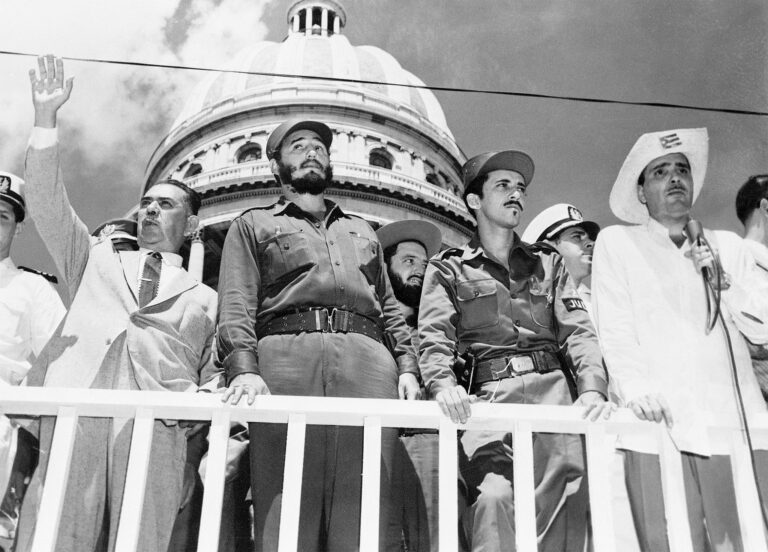
Part of Mexico’s 1938 oil nationalization was paid for with the sweat of the Cuban people, and in 1961, a headline appeared in the Mexican newspaper Hoja Revolucionaria: “Not sending oil to Cuba is betraying the oil expropriation.”