
The Origins of Cruz Azul
This article was originally published by Mexico’s National Institute of Social Economy on August 10, 2021.
Without a doubt, Cruz Azul is a household name in the minds of Mexicans; most are familiar with professional soccer. However, not everyone knows that the team is a civil society organization, part of the Cruz Azul Limited Cooperative Society, colloquially known as the Cruz Azul Cooperative. Its history dates back to the 19th century, when the British Henry Gibbon established a hydraulic lime factory in Jasso, Hidalgo, in 1881.
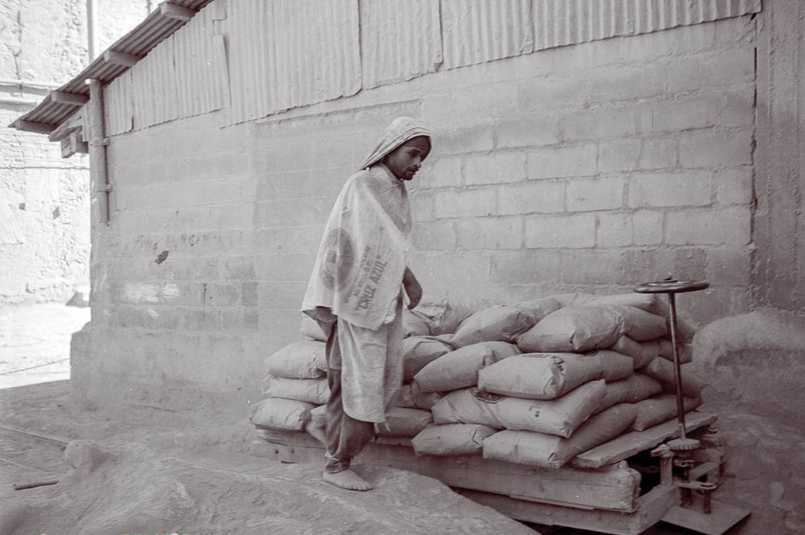
Due to the economic problems the country faced at the time, the company went bankrupt in 1906, when its control was taken over by the Central Bank, with Fernando Pimentel y Fagoaga remaining as a partner. This marked the beginning of the Portland Cement Manufacturing Company “La Cruz Azul,” which by 1909 had become a public limited company with various investors.
In 1910, very close to the factory, Tolteca was formed, a direct competitor of “La Cruz Azul”, a company that would play a fundamental role in the creation of the cooperative.
The outbreak of the Mexican Revolution led to a gradual withdrawal of capital from the company’s partners. With the economic depression of 1929 and the intermittent operation of the plant, by 1931 the Tolteca cement company decided to buy Cruz Azul’s shares in order to eliminate it as a competitor.

Faced with this situation, the workers sought by all means to preserve their sources of employment. This led to a confrontation between the Tolteca businessmen and the Cruz Azul workers. The former wanted to recover the plant that they had “bought” and which, according to the contract, should be free of any outstanding debts before being handed over. The workers wanted to maintain their source of income.
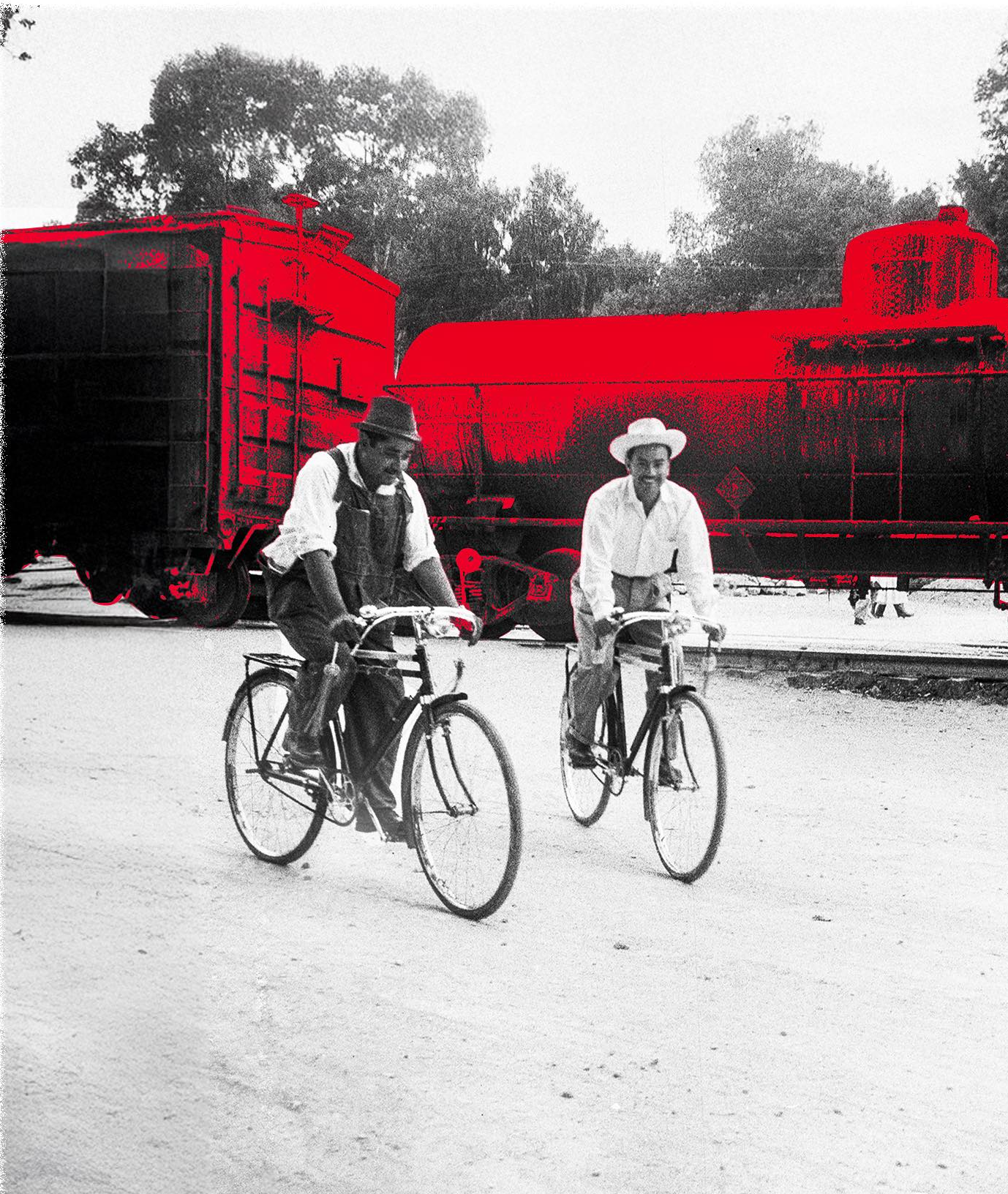
Thanks to the Law of Expropriation for Reasons of Public Utility and the intervention of the government of the state of Hidalgo, the expropriation of “La Cruz Azul” was decreed to be placed in the hands of the workers and formed as a cooperative on November 2, 1931 with 192 founding members who agreed to buy the cooperative for the amount of MXN$1,312,555.66.
It wasn’t until January 1934 that it was formally established as a cooperative registered with the Ministry of National Economy. The workers agreed to pay the factory’s price plus 10% interest over 10 years to the foreign investors who were to be compensated, but through the workers’ own coordination, they managed to complete the payments in just 9 years.
This is the story of the beginnings of the Cruz Azul Cooperative. Once the workers took control of the factory, they began to seek the development of well-being for their families, and that is how the group of cooperatives was created with: schools, commerce, housing, health, and with it the town of Jasso Hidalgo developed, which today bears the name of Ciudad Cooperativa Cruz Azul (Cruz Azul Cooperative City).

-
People’s Mañanera October 16
President Sheinbaum’s daily press conference, with comments on recovered assets, public education, security, and exports.
-
Mexico Does Not Have the Capacity to Confront the Cartels, Trump Says
Speaking at the White House, Trump claimed without evidence that cartels control Mexico and warned they have a deadline to “basically surrender.”
-
Mexico’s Secretary of Governance Announces Group of Experts Will Analyze National Registry of the Disappeared
Backed by the UN human rights office, Mexican and U.S. scientists will audit the registry, while 16,003 people reported missing have been located.