Minimum Wage Dialogue Begins
While Mexico’s minimum wage has increased substantially in years, it has yet to reach the purchasing power it had in 1976.


While Mexico’s minimum wage has increased substantially in years, it has yet to reach the purchasing power it had in 1976.
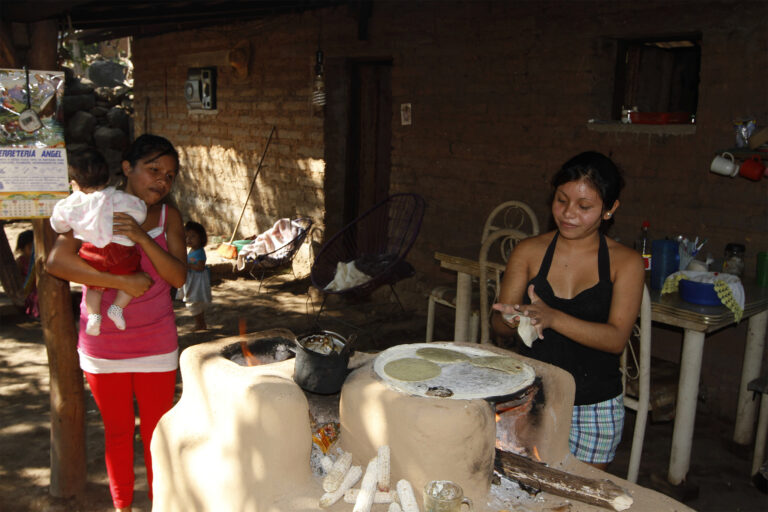
INEGI estimated that the economic value of domestic and care work performed by the population aged 12 and over was approximately 8 trillion pesos.

Delays and increased business demands have provoked some unions, who initially agreed with the 2030 timeline, to demand an immediate implementation of the 40 hour workweek.

The raise would finally bring the purchasing power of the minimum wage up to the level it had 50 years ago in 1976, as workers have experienced decades of neoliberalism and superexploitation by foreign capital.
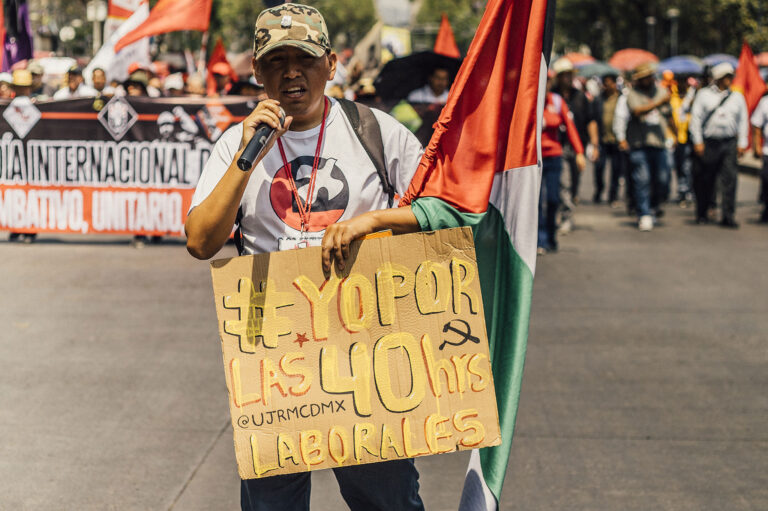
Mexico’s National Front for the 40-hour Workweek marks its second anniversary with nationwide mobilizations demanding an immediate reduction in working hours, in a country that works the most in the OECD.

Thousands of trade unionists gathered outside Mexico’s Chamber of Deputies to deliver the message that the union movement will not allow the reform to be diluted or for the business sector to impose conditions that limit its scope.

The CNTE teachers’ union leadership pointed out that the federal government “has only offered delaying tactics; its statements are far from the reality experienced by thousands of teachers throughout the country.”

The most frequent complaints filed by workers in Mexico concern unpaid wages, minimum wage, Christmas bonus, working hours, partial or non-payment of profit sharing.
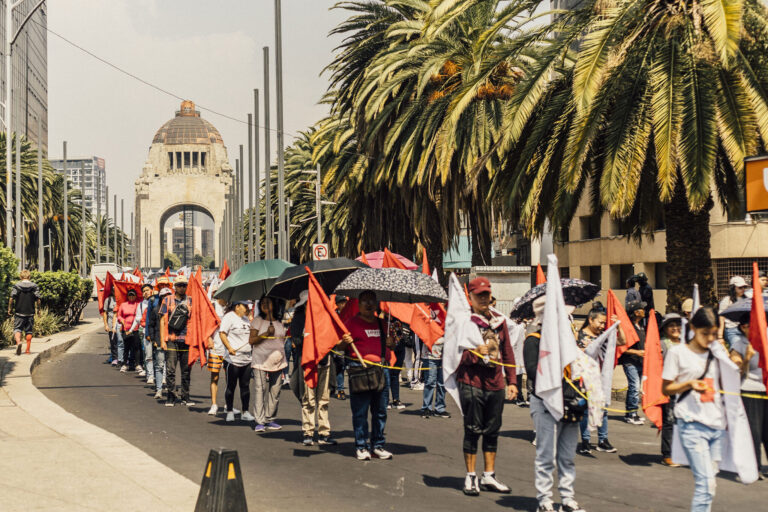
It is time to prepare and organize strength in every center and community. To think about the class and not just the trade. The working class in these times has no option to emigrate.

For years, corporations in Mexico used outsourcing to evade financial obligations to workers, pocketing tens of billions, until a 2021 outsourcing ban closed their lucrative, exploitative loophole.