Cuba’s Fall Would Hurt All Radical Projects
Editor’s note: On February 26, 2026 President Sheinbaum was asked if Mexico would resume oil shipments to Cuba now that the tariff threat had disappeared after the US Supreme Court struck down Donald Trump’s ability to impose tariffs, including the tariffs he had said would be imposed on countries sending oil to Cuba. Her response: “That potential sanction no longer exists, so we are reviewing it and we will inform you.”
Ninety miles from the US shore, Cuba’s people are staring at an impending US-made catastrophe. Next to water, the liquid most necessary for life as we know it is oil. Trump’s “Donroe” doctrine has forced Venezuela and Mexico, the two major suppliers of oil to Cuba, to stop oil shipments. In two weeks, Cuba could well be without electricity. The intended result: the end of a socialist experiment that has inspired anti-capitalist resistance around the world.
As Pedro Gellert, a longtime activist in solidarity with Cuba, tells us, Mexico is the one nation that has never blinked in its support for Cuba. It understands that if Cuba loses its sovereignty, Mexico will find it harder to defend its own.
Why does the US hate Cuba? Unlike Venezuela, Cuba doesn’t have any natural resources that interest the US. But Cuba has against all odds withstood US military and economic pressure since 1959. Punishment is not enough; it must be destroyed. Just as Haiti must pay in dollars and blood in perpetuity for having the gall to overthrow the slave-owning class, Cuba’s destruction must serve as a lesson to Latin America and the Caribbean: resistance to US domination is futile.
Like Cuba, Mexico has a revolutionary project of social transformation. Corrupt oligarchs finally have been made to pay back taxes, an amount huge enough to uplift the poor. Nationalization of energy puts the government in control of Mexico’s own natural resources. But its radical experiment is also being threatened.
The sovereign right of Cuba and Mexico to determine their own path must be defended — and not just for their sake. There is no line between the fight against ICE brutality in the US and the resistance to white imperialist domination in Latin America. If the Cuban revolution is defeated, Mexico and the people of the US will find it harder to win their own transformational demands.
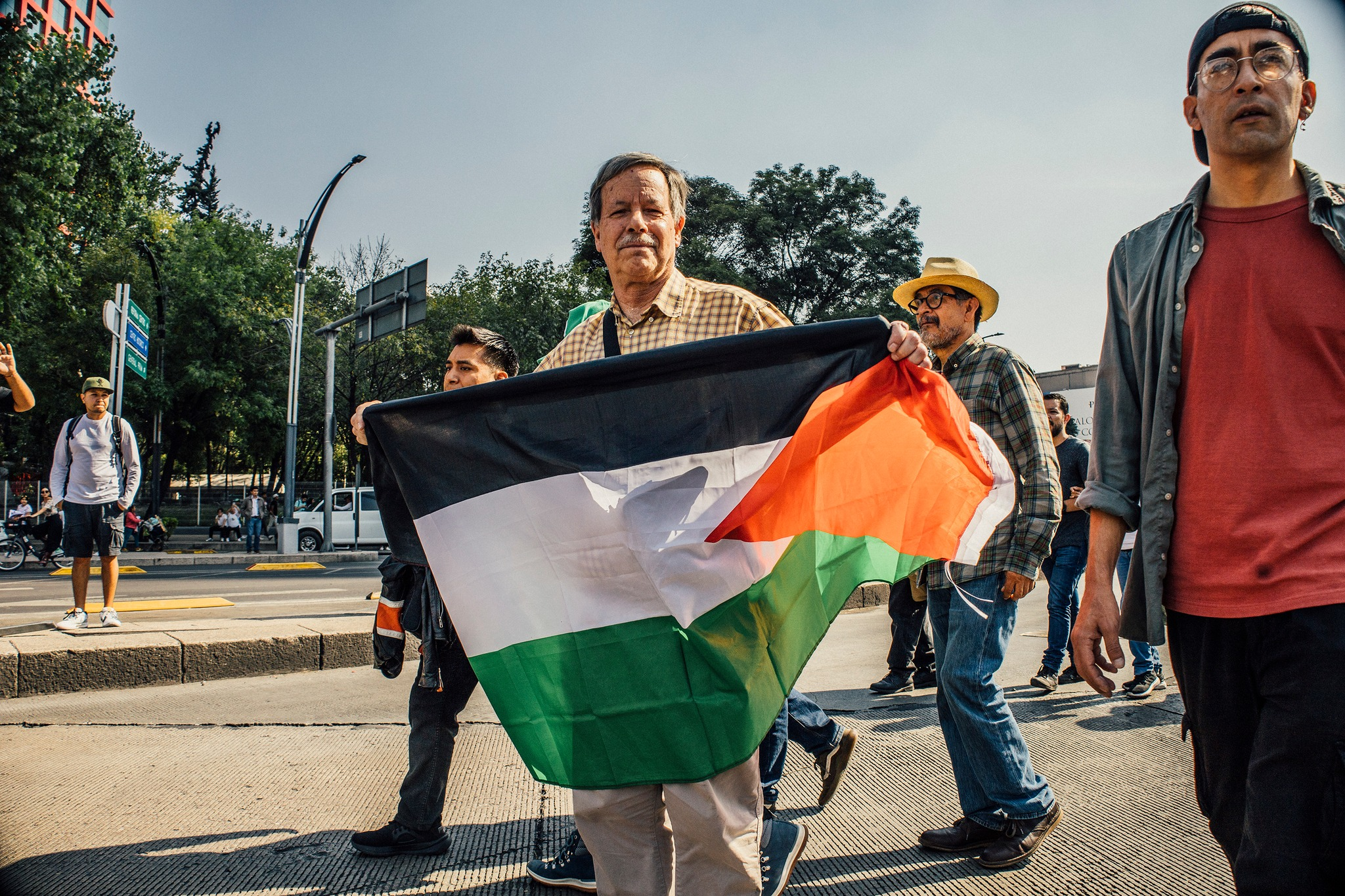
Pedro Gellert, a rank-and-file Morena activist, has been involved in international solidarity efforts with nations that range from Cuba to Vietnam to Palestine. Gellert formerly edited the Morena Internacional newsletter and has been summarizing and translating the Presidential mañaneras for seven years. Active with the Mexico Solidarity Project since it began, he has helped it broaden its reach.
We’re seeing a humanitarian catastrophe. What do you hear from Cubans?
The savage US blockade cuts off oil and thus electricity, making life unbearable in Cuba, almost impossible.
They have closed schools, and teachers are attempting to teach virtually, with students tuning in by cellphone. But in some areas you can only get electricity to charge your cellphones for four hours a day — and those hours might be in the middle of the night. Families have to get up and accomplish everything that requires electricity for the whole day in that four-hour window: charge phones, wash clothes, prepare food and so on.
If you live anywhere above the first floor, it takes electricity to pump water upward. So you can’t use a toilet, shower or faucet. In Havana, garbage collection isn’t the highest priority for energy use, so garbage is overflowing. That brings rats, mosquitoes — and disease. This is a conscious US policy designed to inflict misery on the people.
The larger economy? A big source of revenue was tourism, particularly from Canada. But now, Canada has canceled flights because they can’t refuel in Cuba for the flights back. And if you go as a tourist, the hotels are also experiencing blackouts — and forget getting transportation to go anywhere!
In addition, the White House has made pawns out of tourists to the US. Because of the Visa Waiver Program, citizens of France, Spain, Great Britain and many other countries haven’t needed a US visa to visit. But now, if they have visited Cuba, they must navigate the red tape of the visa process.
It’s dire. As of February 20, Cuba has about two weeks left of electricity.
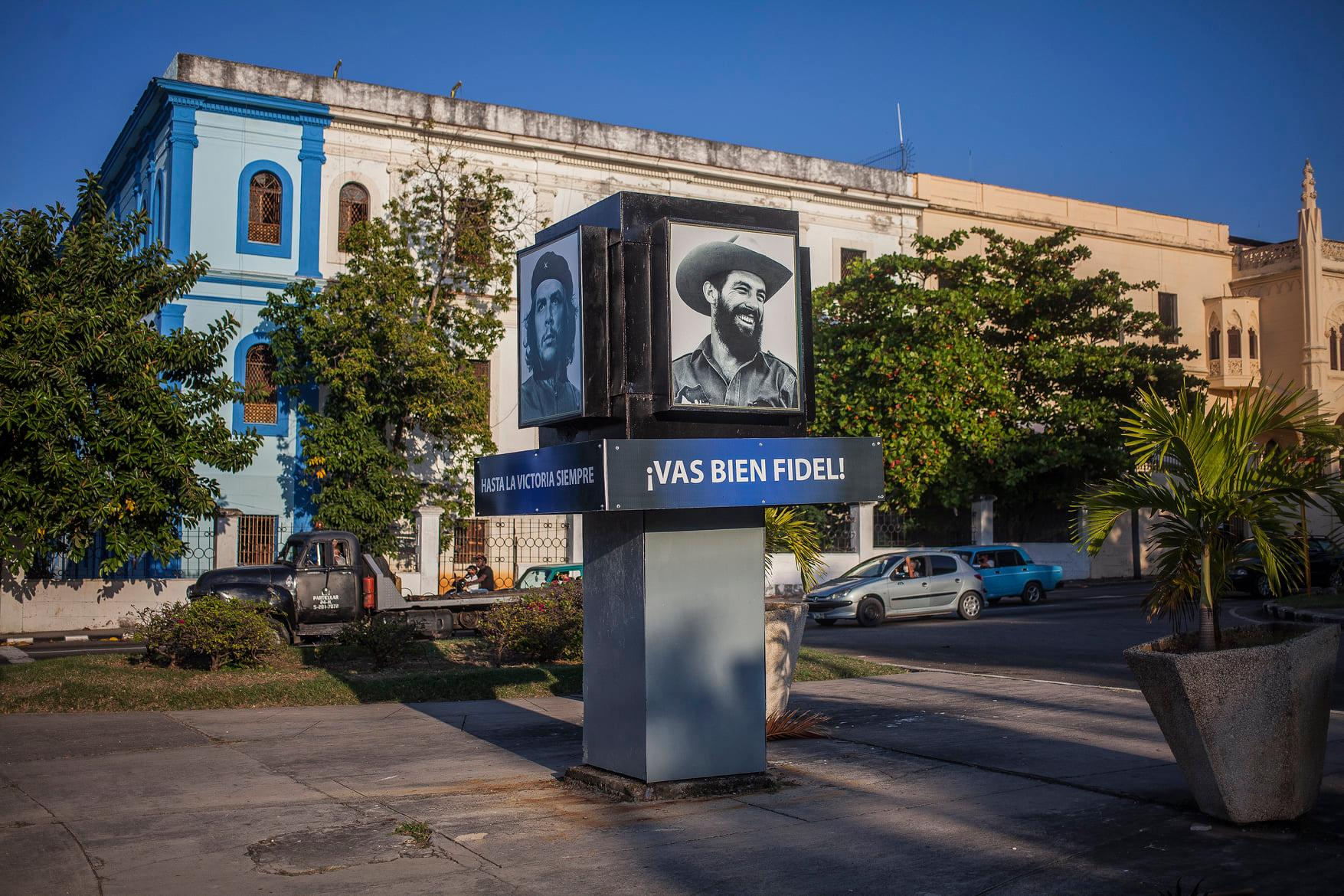
When the Cuban socialist revolution took power in 1959, what was the reaction in Mexico?
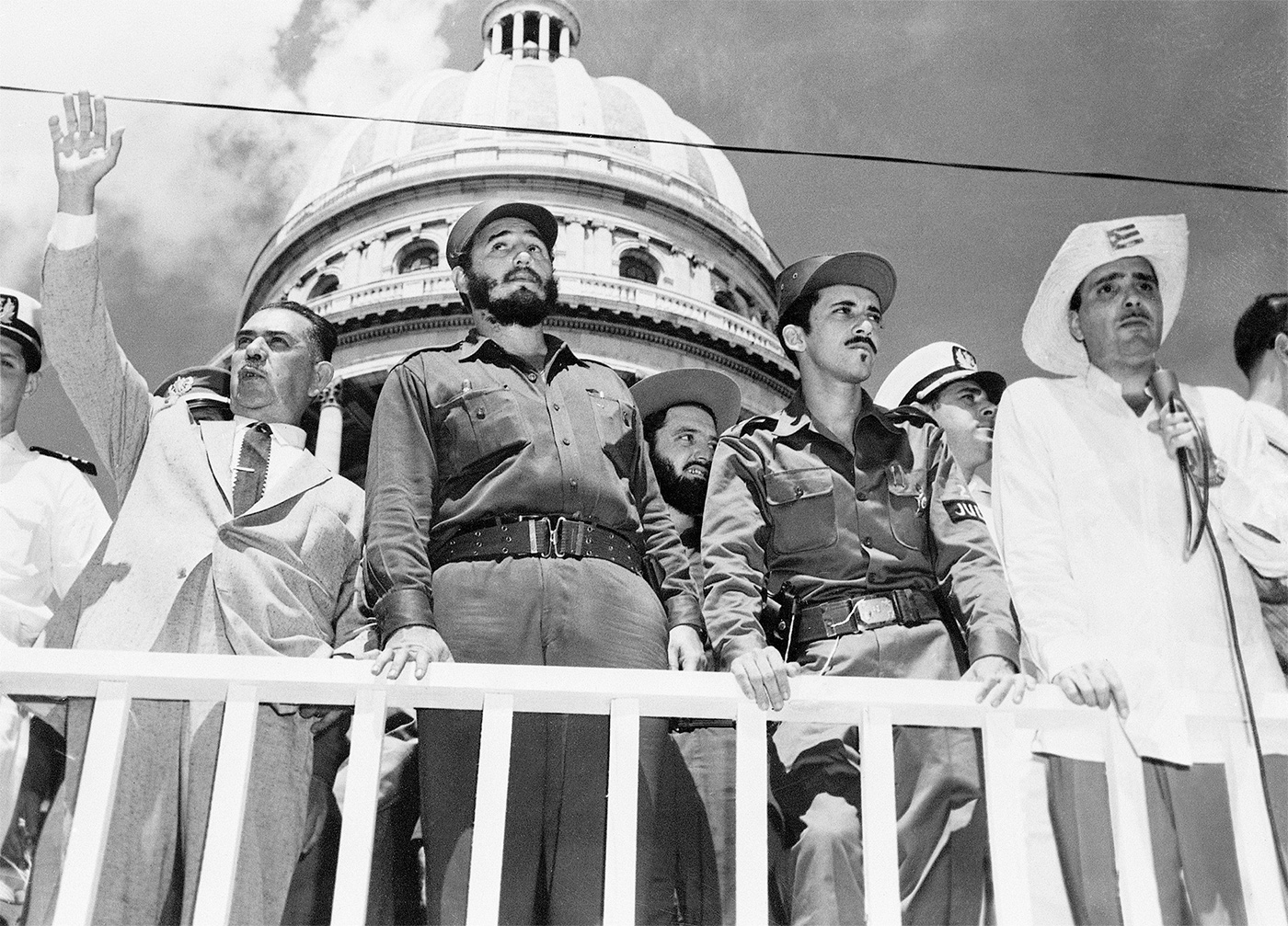
Mexico knew about the dictator Fulgencio Batista, who tortured and killed his opposition and who had ties with the US Mafia and US corporations. Everyone welcomed his defeat. The Cuban Revolution gave rise to a new generation of Mexican radicals, who saw a small country that faced down US imperialism and that was building a society to serve the common people. Even the Mexican bourgeoisie and its party, the PRI, were glad to see Batista overthrown.
When US President Kennedy ordered the invasion of Cuba in 1961, Mexico opposed the invasion.
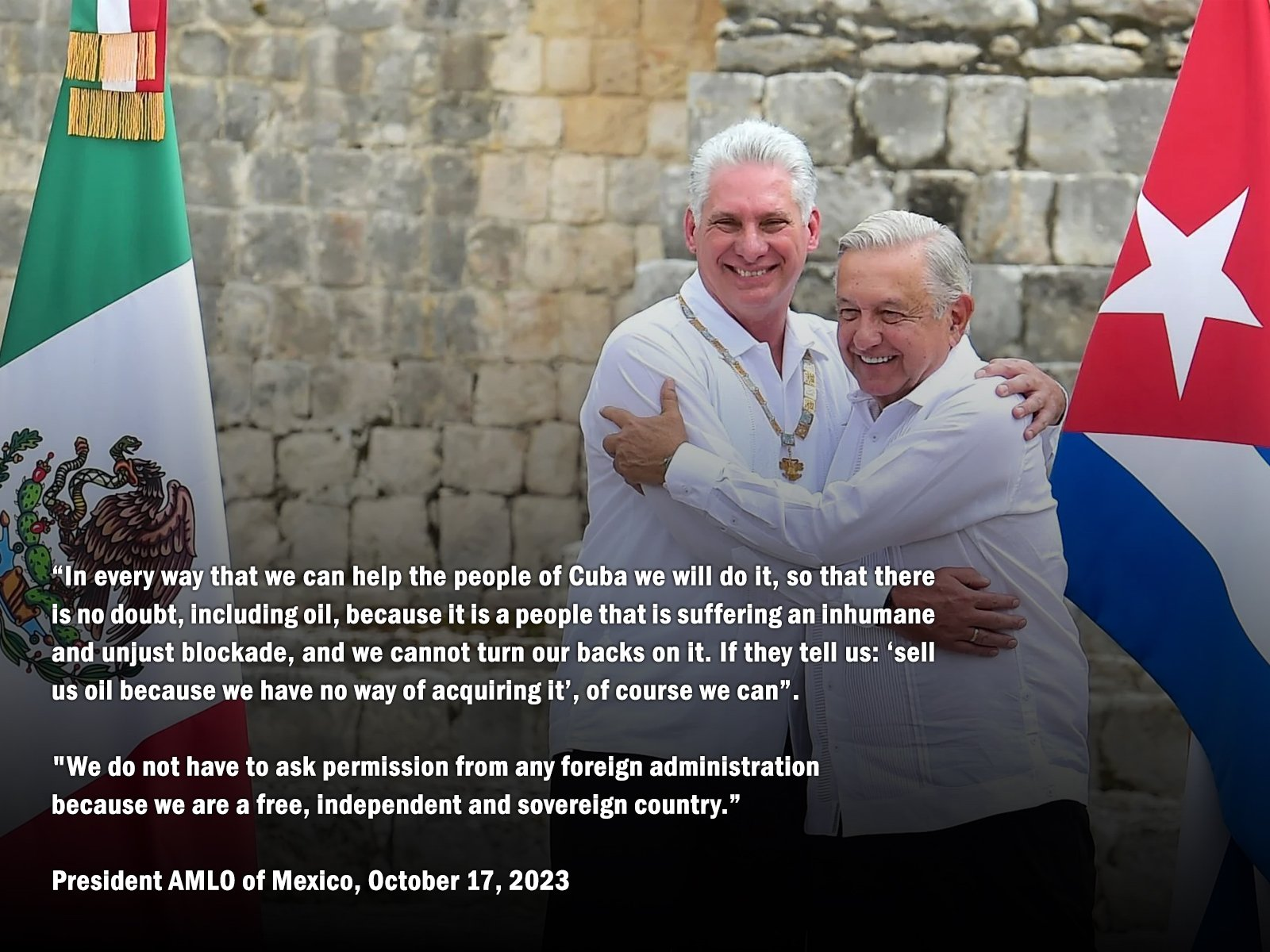
Mexico is exemplary in its defense of Cuba. It’s the only country in Latin America that has never broken relations with Cuba. When the US moved to expel Cuba from the Organization of American States in 1962, Mexico disagreed. When Biden didn’t invite Cuba to his Summit of the Americas in 2022, President Lopez Obrador refused to participate.
But the reactionary PRI party, which willingly collaborated with the US, ruled Mexico. Why did they always support Cuba?
The Mexican-American War of 1846 to 1848, which is called the Intervención Estadounidense en México, or the US Intervention in Mexico, ended with the annexation of nearly half of Mexico’s territory. Since then, the annexation has been a part of Mexicans’ deep-rooted anti-imperialist consciousness, and that’s true for the whole population. It sees the defense of Cuba’s sovereignty, from 1959 to now, as the defense of Mexico’s own sovereignty.
Generally, the PRI was progressive in foreign policy while reactionary in domestic policy. Their defense of Latin American revolutionary nationalism was popular — some sections of the Mexican left viewed the PRI as the progressive wing of the bourgeoisie. It brought them support from the global left as well.
But that policy was a fig leaf for their own suppression of any dissent to their corrupt authoritarian rule and their support for US capital.
Did Mexico provide more than statements of support for Cuba? And how has Cuba helped Mexico?
Let me start with the second question. First, for years Cuba has sent doctors to underserved parts of Mexico, particularly indigenous communities in the southern region.
Cuban doctors risked their lives in Mexico during the COVID crisis. Cuba also opened its medical schools to Mexican students. This medical assistance was not only for Mexico but for many countries of the global South, earning admiration, gratitude and political support. It was said, “The US sends soldiers, Cuba sends doctors.”
An exemplary program was Operación Milagro, or Operation Miracle, begun in 2004 in partnership with Venezuela’s socialist government under Hugo Chávez. The program sent Cuban doctors to the global South, where 90% of visually impaired people live, providing free eye care. They served over four million people in 34 countries.
Second, Cuban educators conducted literacy campaigns in poor areas of Mexico. These programs consolidated support for Cuba; the people saw Cuba as representing a new kind of society that cares for the poor.
Mexico helping Cuba’s economy? They paid for those doctors and educators. The health and literacy programs are free to the people served, but the governments pay for them.
But under Trump’s threats, countries in Latin America and the Caribbean are canceling the agreements that bring in Cuban doctors —another blow to the Cuban economy and to the health of those countries’ populations.
Given that Mexicans are in solidarity with Cuba, how did they react to president Sheinbaum’s decision to stop the shipment of oil?
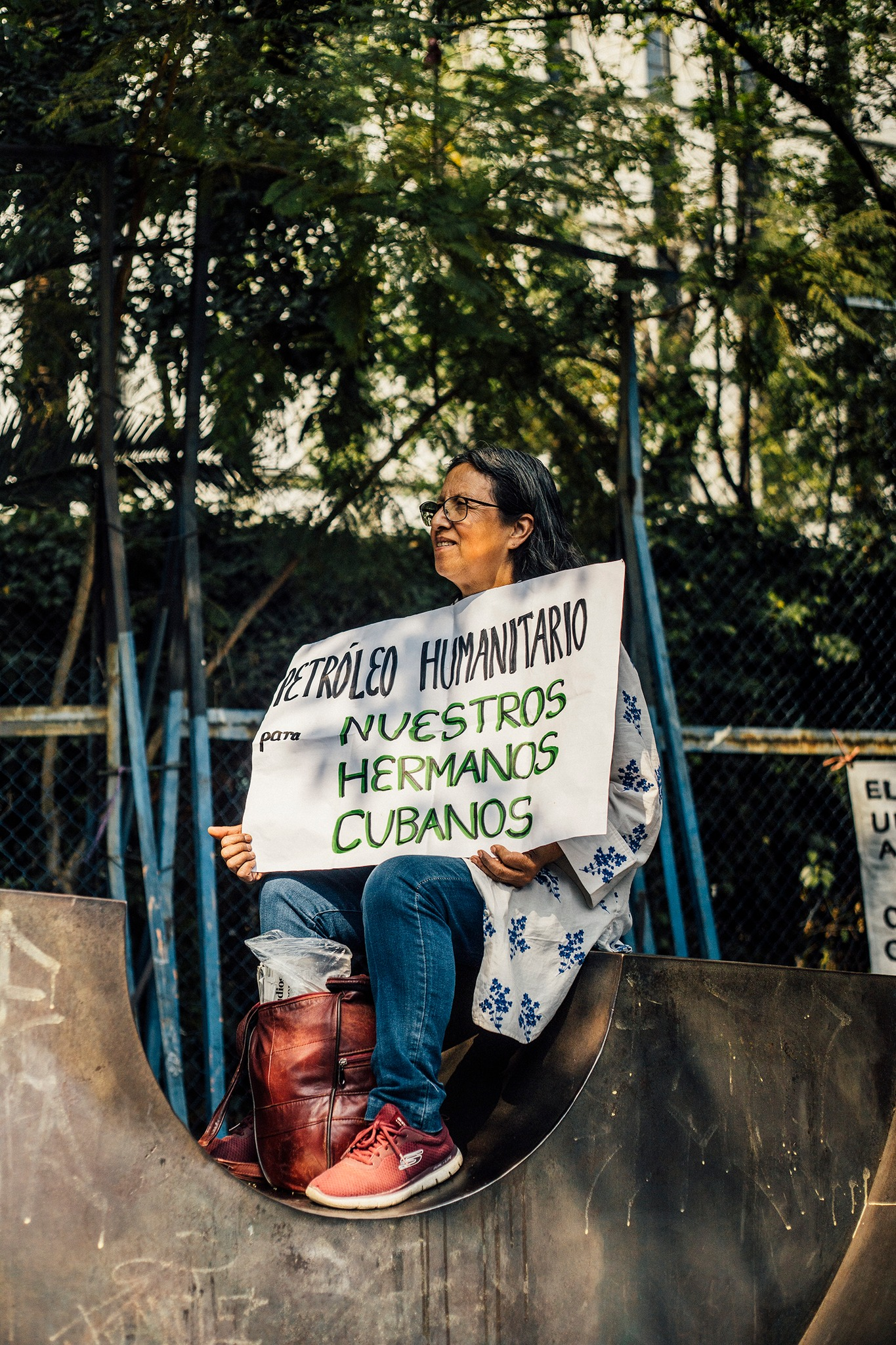
The people blame Trump, not Sheinbaum. She’s made clear that she wants to send oil, but Trump’s threatened 80% tariffs on Mexican exports would devastate Mexico’s economy, and she cannot take that risk.
Instead, Mexico has embarked on a massive campaign of humanitarian aid. In Mexico City, under Mayor Clara Brugada’s leadership, all city legislators will donate one month’s salary to support Cuba.
Morena offices in every state are collection points for donations — and the Mexican government has guaranteed shipment. The government itself donated and sent the first shipment, and more is on the way.
Mexico’s three interventions in this Cuban crisis include providing humanitarian aid, pressuring for no US interference and pushing other countries, particularly Spain, to send oil. Sheinbaum has also offered to mediate between the US and Cuba on the condition that Cuban sovereignty is not negotiable.
What does the US want?
Cuba’s main revenue-generating “exports” are tourism and medical and professional services. Cuba isn’t Venezuela; it doesn’t have a lot of natural resources the US wants — this economic asphyxiation is purely political. Since 1959, Washington has punished this small nation, which has the courage, the creativity and the staying power to refuse to buckle under to US imperialism. The US can’t allow this rejection of capitalism and imperialism — its destruction is the price it must pay for thumbing its nose at the US behemoth.
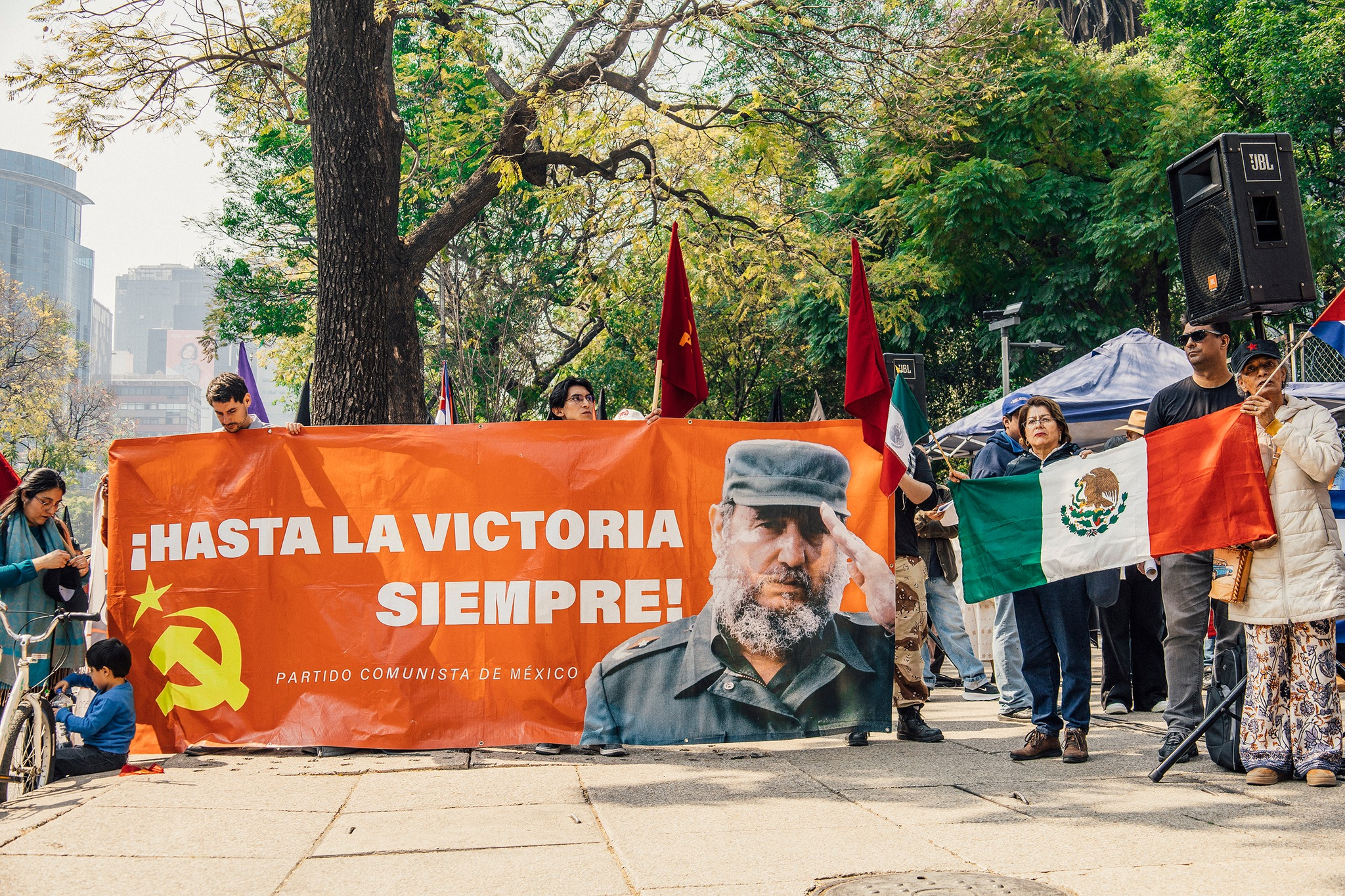
And that’s why those of us on the left must do all we can to defend Cuba.
-
El Taller: Central America: Ground Zero for Empire with Hilary Goodfriend
Breaking down Central America’s political trajectory—from US intervention to today’s far-right surge, electoral sabotage, and Mexico’s strategic role.
-
People’s Mañanera March 25
President Sheinbaum’s daily press conference, with comments on Plan B electoral reform, Housing for Wellbeing and housing as a social right, polls, and consular protection for Mexican migrants in the US.
-
Ecocidal Militarism
If citizens in Western democracies were asked whether their militaries should build public infrastructure instead of waging war, they would almost certainly choose the latter. Abby Martin’s newest film “The Greatest Enemy of the Earth,” documents the environmental cost of the American empire.