The Study of the Far Right Is Necessary: Mexico’s Science Secretary
This article by Laura Poy Solano originally appeared in the July 25, 2026 edition of La Jornada, Mexico’s premier left wing daily newspaper.
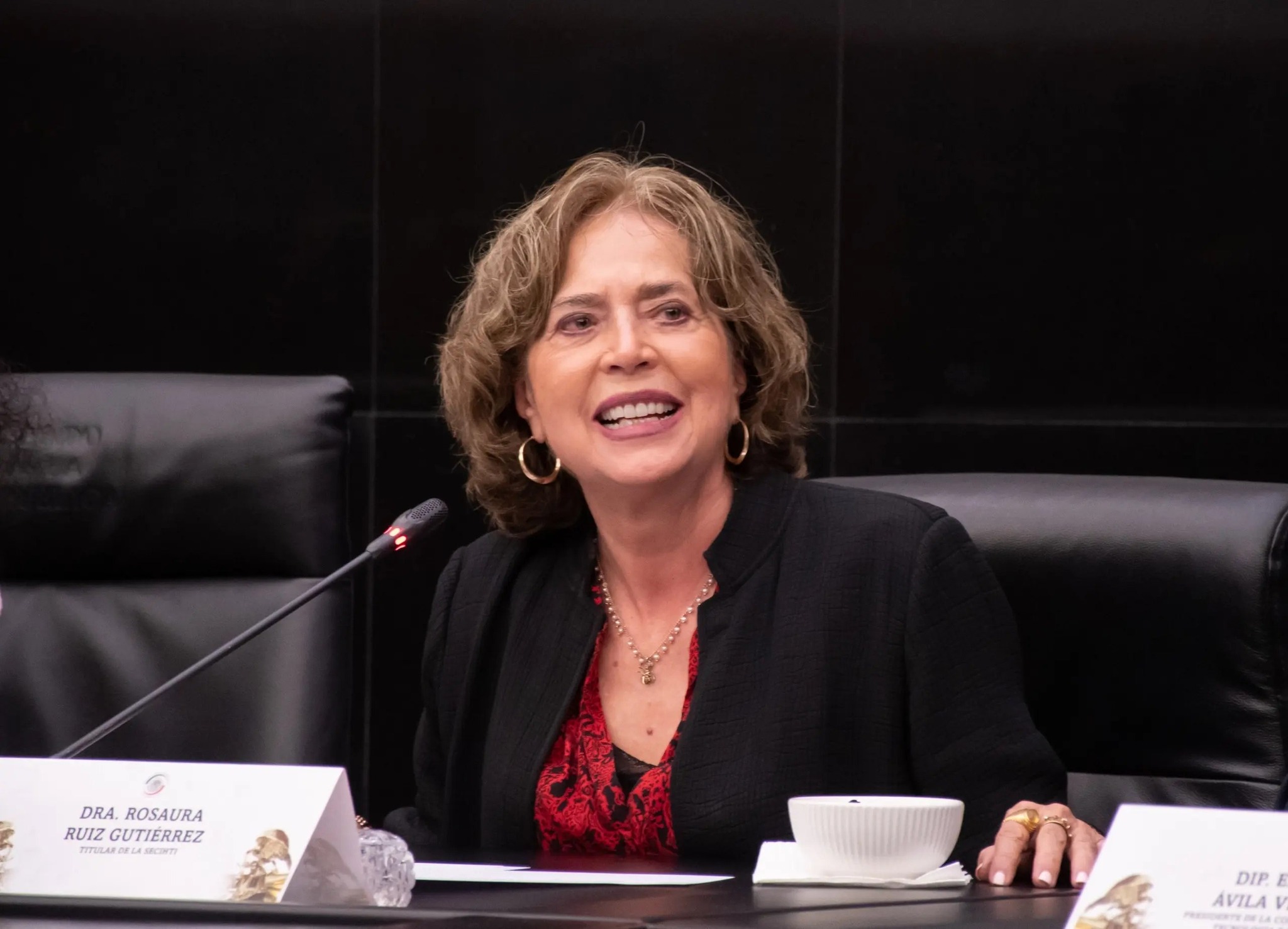
The study of the far right is not only legitimate but necessary, affirmed Rosaura Ruiz Gutiérrez, head of the Secretariat of Science, Humanities, Technology and Innovation (Secihti), who stressed that when certain political expressions “stop locating themselves within democratic debate and resort to hate speech, forms of exclusion, classism, racism, xenophobia, misogyny, historical denialism, or call for distinguishing the rights of specific social groups, we must understand that hate speech is not mere opinion.”
Participating in the panel discussion “The Far Right as a Political Phenomenon,” she asserted that these narratives “have very harmful social effects, since they can legitimize discrimination and open the way to forms of symbolic, institutional, or direct violence.”
She added that in different regions of the world “the far right has stopped occupying a marginal place and has begun to displace sectors of the traditional right,” which is a wake-up call, she considered.
Gathered in the Secihti auditorium, researcher Mario Rufer, of the Universidad Autónoma Metropolitana, Xochimilco Unit, and Perla Patricia Valero Pacheco, professor at the College of Latin American Studies of the UNAM Faculty of Philosophy, stressed that these far-right discourses that have begun to grow exponentially on social networks, and even in media outlets, “are not new or spontaneous.”
They are narratives that “have a history, they do not come out of nowhere.” Valero Pacheco stressed that they have constituted themselves into organizations and political movements that can come to constitute “alternatives and political projects that are responding, for certain sectors of society, to the economic, ecological, and social crisis we face.”
She added that the far right has also appropriated discourses that belonged to progressive movements, which is key, especially on issues such as employment, freedom, and republic, among others, and which “today forms part of a repertoire of actions and policies of recovery by the right.”
For his part, Rufer stressed that what distinguishes the new right is the reconfiguration of the political scenario, in which discourse changes, allowing the emergence of disruptive actors, even “in language, in which they sell themselves as the one who will say what no one has said before, even when this goes against the interests of the listeners themselves.”
-
Mexico Does Not Have the Capacity to Confront the Cartels, Trump Says
Speaking at the White House, Trump claimed without evidence that cartels control Mexico and warned they have a deadline to “basically surrender.”
-
Mexico’s Secretary of Governance Announces Group of Experts Will Analyze National Registry of the Disappeared
Backed by the UN human rights office, Mexican and U.S. scientists will audit the registry, while 16,003 people reported missing have been located.
-
People’s Mañanera October 15
President Sheinbaum’s daily press conference, with comments on economic growth, neoliberalism, tourism, and Jalisco.