For a Solidarity of the South
This editorial by the editorial board of La Jornada originally appeared in the March 22, 2026 edition of La Jornada, Mexico’s premier left wing daily newspaper. The views expressed in this article are the authors’ own and do not necessarily reflect those of Mexico Solidarity Media or the Mexico Solidarity Project.
During his participation in a Latin American-African forum held in Bogotá, Brazilian President Luiz Inácio Lula da Silva strongly condemned the interference of powerful nations and the indifference of the United Nations to conflicts around the world. The president denounced what he called “their desire to colonize us again” and urged against allowing “anyone to interfere in the affairs and territorial integrity of our countries,” alluding to the kidnapping of President Nicolás Maduro on January 3 and the tutelage imposed on Venezuela by Washington, as well as the israeli-American aggression against Iran. He also warned of plans to seize the region’s critical mineral resources and criticized the lies used to justify destruction and wars.
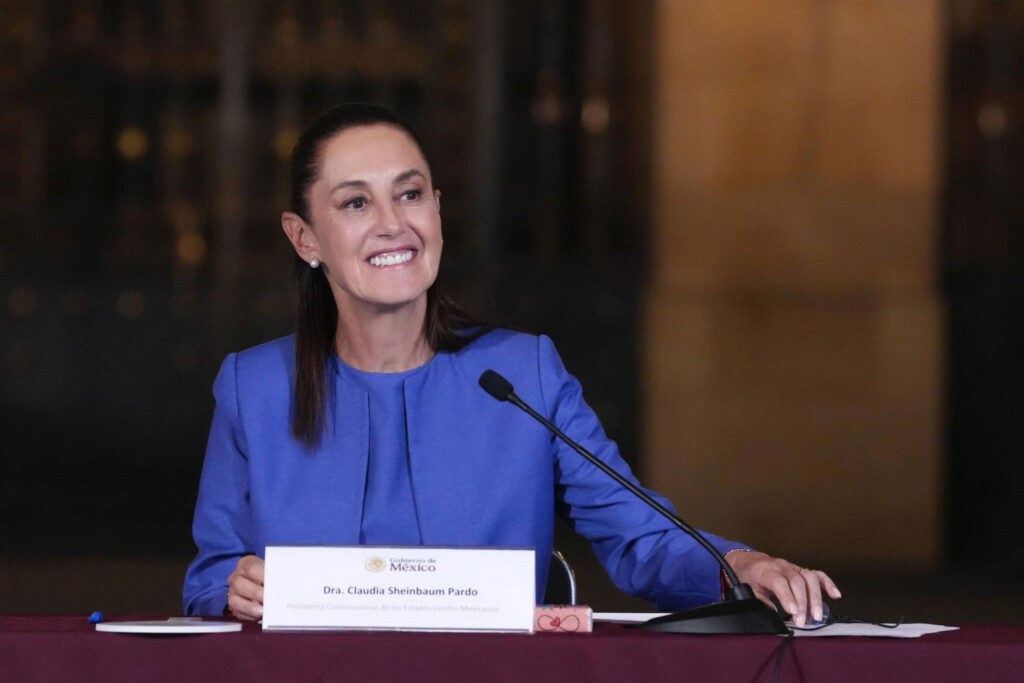
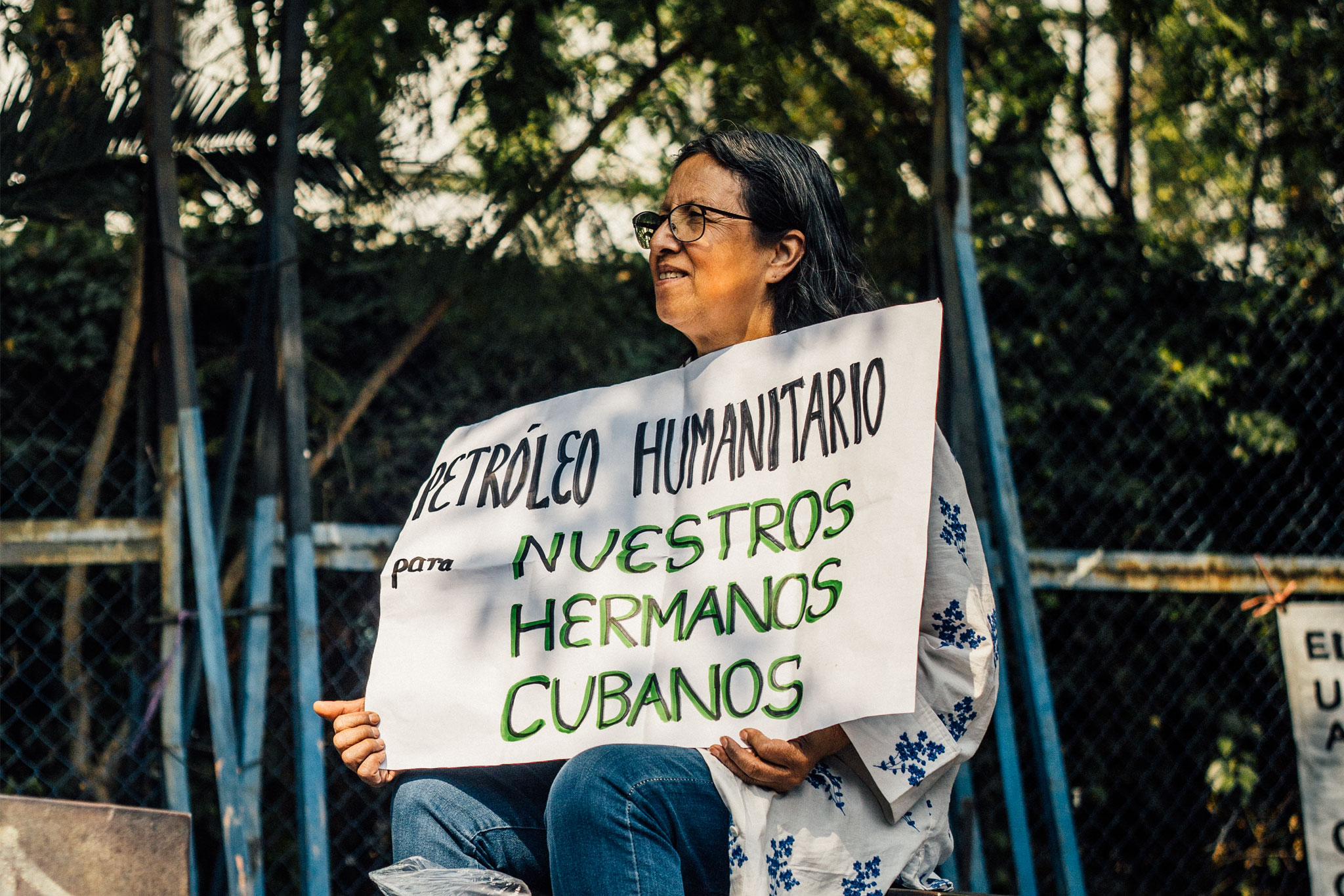
For his part, Foreign Minister Juan Ramón De la Fuente emphasized that President Claudia Sheinbaum’s government will continue to provide “all possible humanitarian aid to the Cuban people.” In this spirit of “times of solidarity,” the government will also support Haiti’s efforts to rebuild its institutions. The Foreign Minister noted that Latin America, the Caribbean, and Africa represent more than two billion people with significant potential to promote cooperation mechanisms based on solidarity and mutual respect in order to advance toward more just and inclusive development in an international landscape marked by armed conflicts, geopolitical tensions, climate crisis, food insecurity, and persistent inequalities.
Without a doubt, Cuba’s resistance to maintaining its hard-won independence of 1959 has been, for nearly seven decades, the greatest beacon of hope for people yearning for freedom.
The speech by the historic leader of the Brazilian left, which was consistent with his agenda of recent months, constitutes a strong call to action regarding the need to deepen, and even create where they have been absent, South-South ties that allow developing nations to confront their internal problems and resist imperialist pressures. In this sense, the meeting with Africa takes on particular relevance due to the shared history of European and US colonialism, since decolonization is an unfinished process under constant threat of setbacks, both through force and through the subservience of leaders who are brutal to their people and subservient to Washington. The case of Venezuela and the murderous siege against Cuba illustrate the stark application of imperial power, while Milei’s Argentina, Noboa’s Ecuador, Kast’s Chile, Chávez’s Costa Rica, and other equally reprehensible governments exemplify the destruction of sovereignty with internal complicity.
Without a doubt, Cuba’s resistance to maintaining its hard-won independence of 1959 has been, for nearly seven decades, the greatest beacon of hope for people yearning for freedom. At the same time, the suffering inflicted upon its people by successive occupants of the White House serves as a stark warning of the price to pay for standing up to imperialism. Therefore, today more than ever, it is essential that Mexico and Brazil, the two largest Latin American economies that do not embrace Trumpism, redouble their solidarity with Cuba, both out of altruism and the understanding that the fate of the Global South hinges on the island.
-
Camino Rojo: Impunity & Reluctance
What special privilege do mining corporations (both national and foreign) enjoy in Mexico, where they get away with everything, even in these times when the law is supposed to be applied equally without exception?
-
Orla Mining: Investigate & Clarify
If it is confirmed that the Canadian mining company hired criminals to persecute its workers, the sanction cannot be limited to an administrative procedure, as this would allow companies to normalize fines as just another operating cost.
-
People’s Mañanera April 10
President Sheinbaum’s daily press conference, with comments on electoral reform, Barcelona reformist summit, electoral auditing, the economy, World Cup and former Michoacán governor Silvano Aureoles’ arrest warrant.