Fracking: For a Broad Debate
This editorial by the La Jornada editorial board was originally published in the April 16, 2026 edition of La Jornada, Mexico’s premier left wing daily newspaper. The views expressed in this article are the authors’ own and do not necessarily reflect those of Mexico Solidarity Media or the Mexico Solidarity Project.
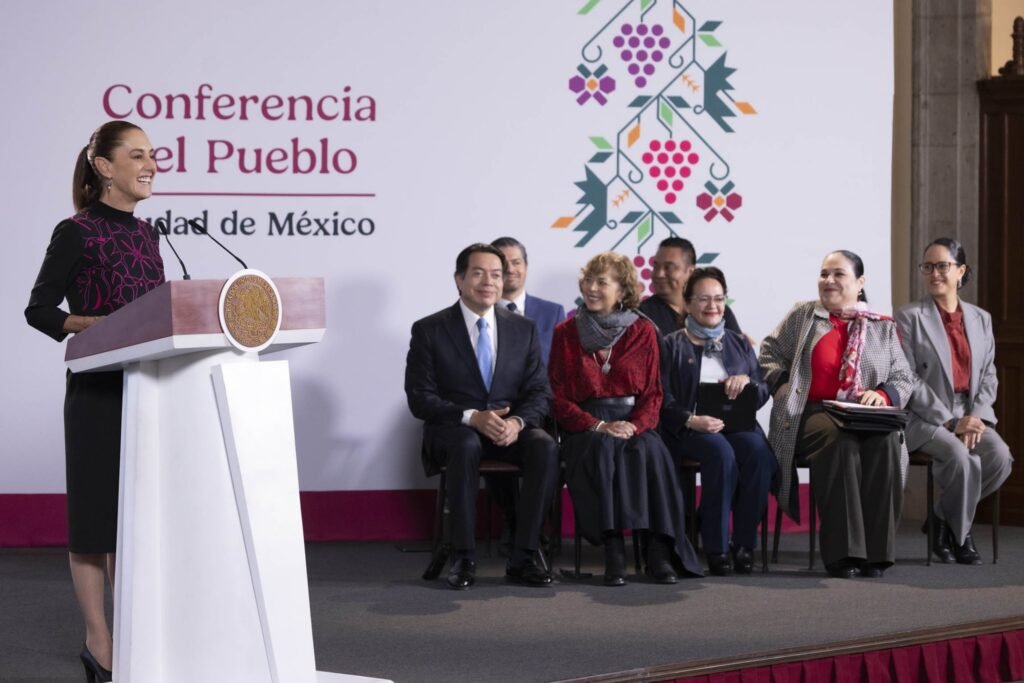
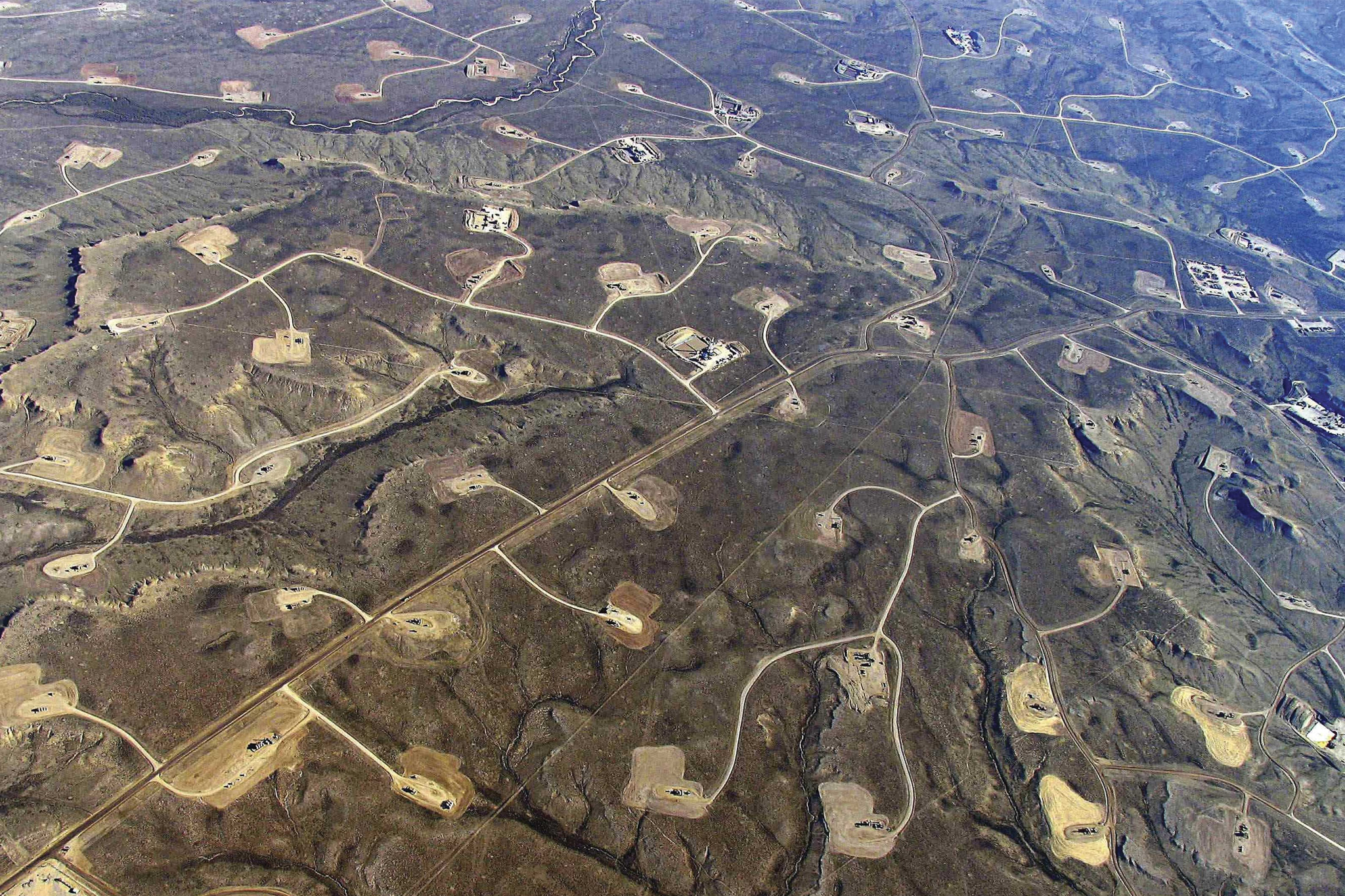
President Claudia Sheinbaum Pardo presented an interdisciplinary group made up of experts from UNAM, IPN, UAM and UANL who will analyze the feasibility of exploiting “unconventional” sources of natural gas in Mexico through fracking (hydraulic fracturing) with new technologies, low environmental impact and the use of biodegradable components.
The specialists’ mission is to provide authorities with the best possible information about innovative procedures for minimizing the environmental impacts of the controversial hydrocarbon extraction method, whether these procedures can be implemented in our country, and which regions would be suitable for them. Aware of the resistance that the mere mention of fracking provokes, the president emphasized that nothing will be done against the communities and that, once scientists determine whether this type of extraction is feasible and in which locations, a consultation process will be held so that all decisions are made collectively.
Lifting the ban on fracking has been raised in recent weeks as an alternative to Mexico’s dependence on US natural gas, which accounts for three-quarters of its consumption. Given that most of this gas is used in combined-cycle power plants, this issue of energy sovereignty has returned to the forefront of public debate in the context of the global oil and natural gas supply crisis triggered by the military aggression of Tel Aviv and Washington against Tehran.
It is essential to base any analysis on two incontrovertible realities before evaluating the President’s statements and taking a position on a practice questioned for its environmental impact, something the President herself acknowledges. First, we are already using natural gas obtained through hydraulic fracturing; however, instead of producing it here, we buy it from U.S. companies. Second, depending on another country for such a high percentage of our energy needs constitutes a dangerous vulnerability.
This issue of energy sovereignty has returned to the forefront of public debate in the context of the global oil and natural gas supply crisis triggered by the military aggression of Tel Aviv and Washington against Tehran.
Given these factual premises, it is clear that the federal government has an obligation to seek alternatives to, in the words of the Secretary of Science, Humanities, Technology, and Innovation, Rosaura Ruiz, “achieve energy sovereignty without compromising water security or the health of our ecosystems.” In this sense, it is evident that changing the current energy matrix cannot be limited to the hypothetical use of fracking, but must also explore the potential of options such as solar plants, wind farms (onshore and offshore), geothermal energy, and other renewable sources, as well as neglected nuclear energy, which has the advantage over the others of not suffering from intermittent power outages. As President Sheinbaum pointed out, testing the feasibility of applying this method does not mean gambling with Mexico’s future, but rather leaving another door open.
It is expected that the panel of experts will develop a diagnosis and issue high-quality recommendations that will contribute to political decision-making whose effects will be felt for decades.
In order for society to trust the prescriptions of specialists and support the resulting public policies, the studies must be transparent regarding the costs and consequences of the various options available to the country to ensure the energy supply of businesses, households and the public sector.
-
People’s Mañanera October 16
President Sheinbaum’s daily press conference, with comments on recovered assets, public education, security, and exports.
-
Mexico Does Not Have the Capacity to Confront the Cartels, Trump Says
Speaking at the White House, Trump claimed without evidence that cartels control Mexico and warned they have a deadline to “basically surrender.”
-
Mexico’s Secretary of Governance Announces Group of Experts Will Analyze National Registry of the Disappeared
Backed by the UN human rights office, Mexican and U.S. scientists will audit the registry, while 16,003 people reported missing have been located.