In Defense of Universal Public Education
Do all children have a right to an education? As educator Mariluz Arriaga tells us, the Mexican Constitution of 1917 was clear: yes, they do!
In contrast, the US Constitution makes no mention of education, and the Supreme Court has always ruled that education is not a fundamental right. If a state decided to provide public education, the only federal requirement was the 14th Amendment, passed after the abolition of slavery, which required states to give everyone, regardless of race or citizenship, the right to be included in any public program.
Many states tried to get around that law. For decades, Native, Black, Latino and Asian students students were sent to separate and unequal schools. It would take legal suits under the 14th Amendment to pry open white school doors. The most famous case, won by Black parents in 1954, was Brown vs. Board of Education, when the Supreme Court ruled that racial segregation was unconstitutional.
But that was not the first case! In 1947, Gonzalo and Felicitas Mendez, Mexican farmers in California, tried to enroll their daughter in the local school. The Westminster School Board told them she had to go to a separate school for Mexican Americans. Refusing to send their child to a shack with broken-down desks and raggedy old books, they gathered four other Mexican families and sued the school district. They won. Mendez vs. Westminster laid the groundwork for the Brown family’s case.
Arriaga tells us about Mexican educators’ courageous commitment to supporting justice for their students’ communities. In the US, parents like the Mendezes and Browns demonstrate how ordinary people can transform entire educational systems. Public education has been and continues to be a critical arena of social struggle. What and how children are taught must be contested, because education is the bedrock of democracy.
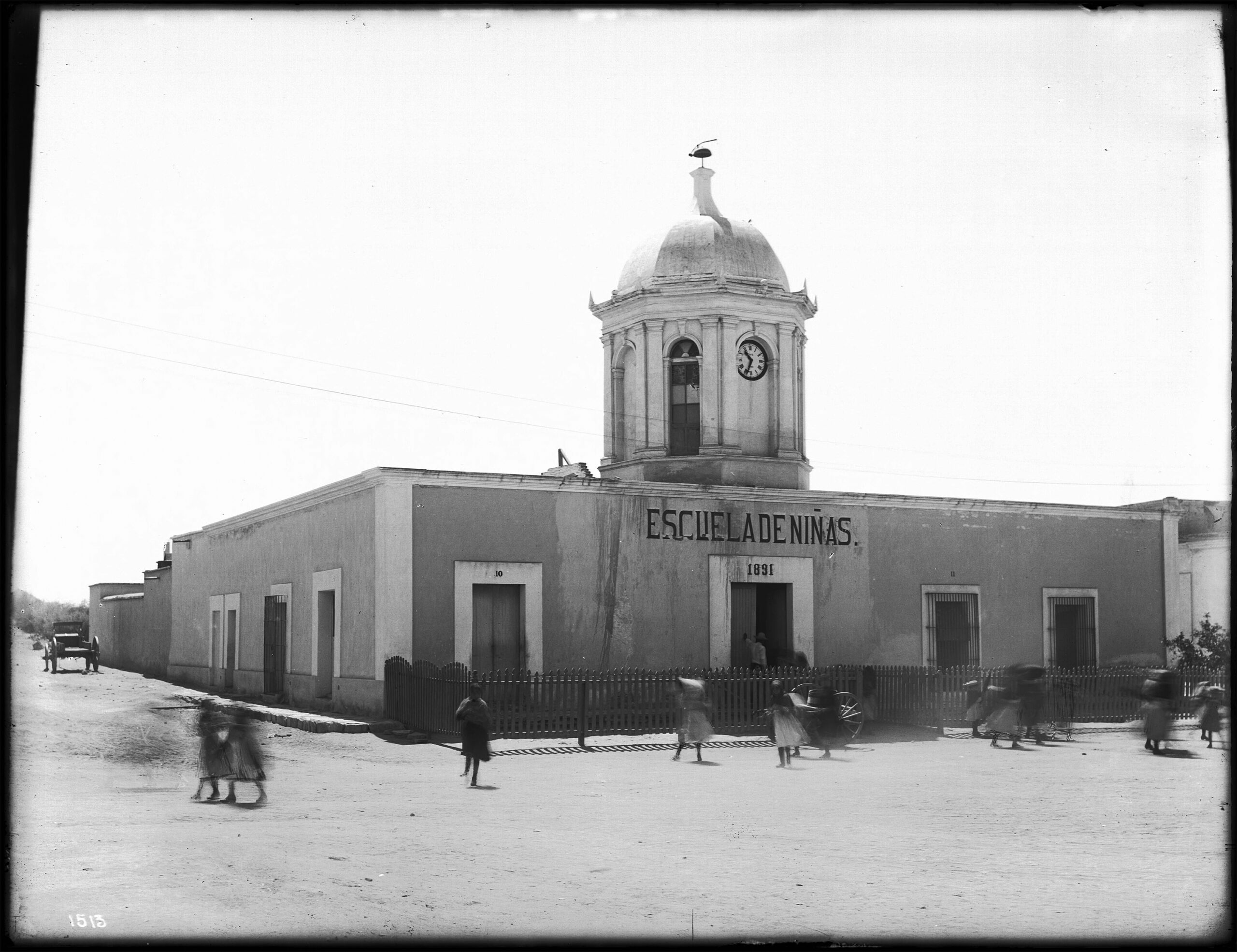
María de la Luz Arriaga Lemus, a classroom teacher before joining the economics faculty at Mexico City’s revered National Autonomous University of Mexico, has been a long-time union activist. In 1993, she co-founded the Trinational Coalition in Defense of Public Education with her US and Canadian counterparts. Six years later, she helped launch, on a broader scale, the Social Network for Public Education in the Americas. Her latest effort: the Casa Obrero Socialista Jose Antonio Vital. Arriaga, all told, has spent half a century defending public education as a social right in Mexico and beyond.
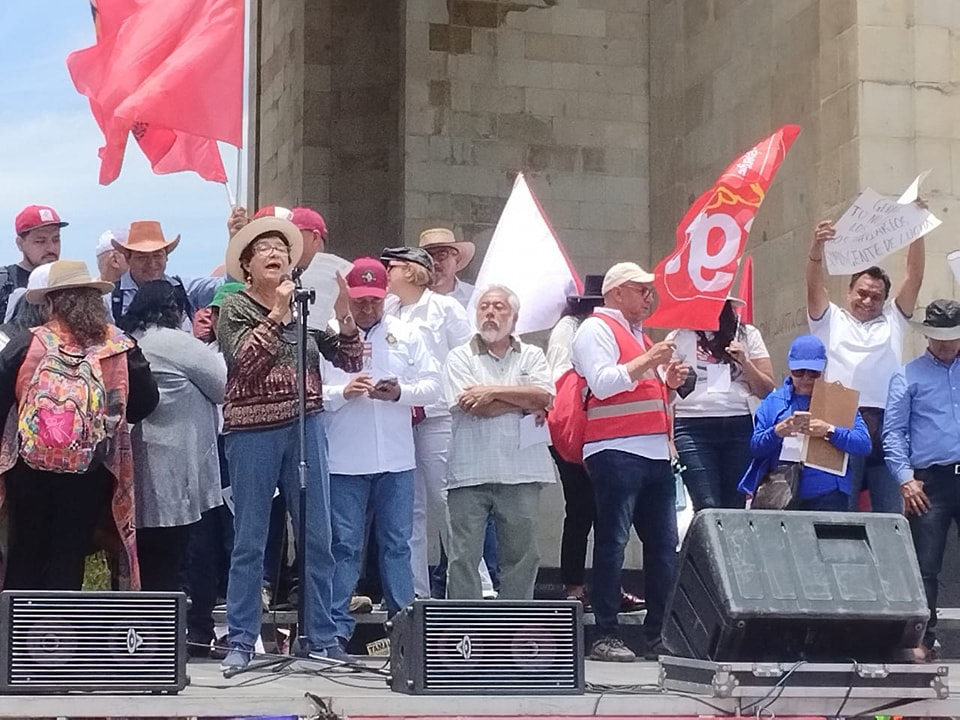
How did Mexican teachers come to play an important role in Mexican history?
In the Mexican Revolution’s 1917 constitution, education was guaranteed as a social — not an individual — right. It affirmed that education must be public, universal, secular and free, a constitutional right that was unique in Latin America. Mexico doesn’t have a Ministry of Education; it has a Ministry of Public Education.
After 1917, President Carranza faced a monumental task: to educate children in every corner of the country. To prepare new teachers, the government built hundreds of free normal schools where the future teachers lived together, many of them children of laborers and peasants. They grew their own food and kept a few cows and took care of the school’s domestic chores. Their backgrounds made them sensitive to the poor and rural communities from which they came.
The villages had three important people: the teacher, the doctor and the priest. During the 1930s and 1940s, when the progressive President Lázaro Cárdenas del Río was redistributing land, educators had the skills to draft petitions to obtain communal lands. They became revolutionary fighters, supporting the demands of the poor, especially in the Southern region, where today the teachers remain the most militant and continue to play a leading role for radical change.
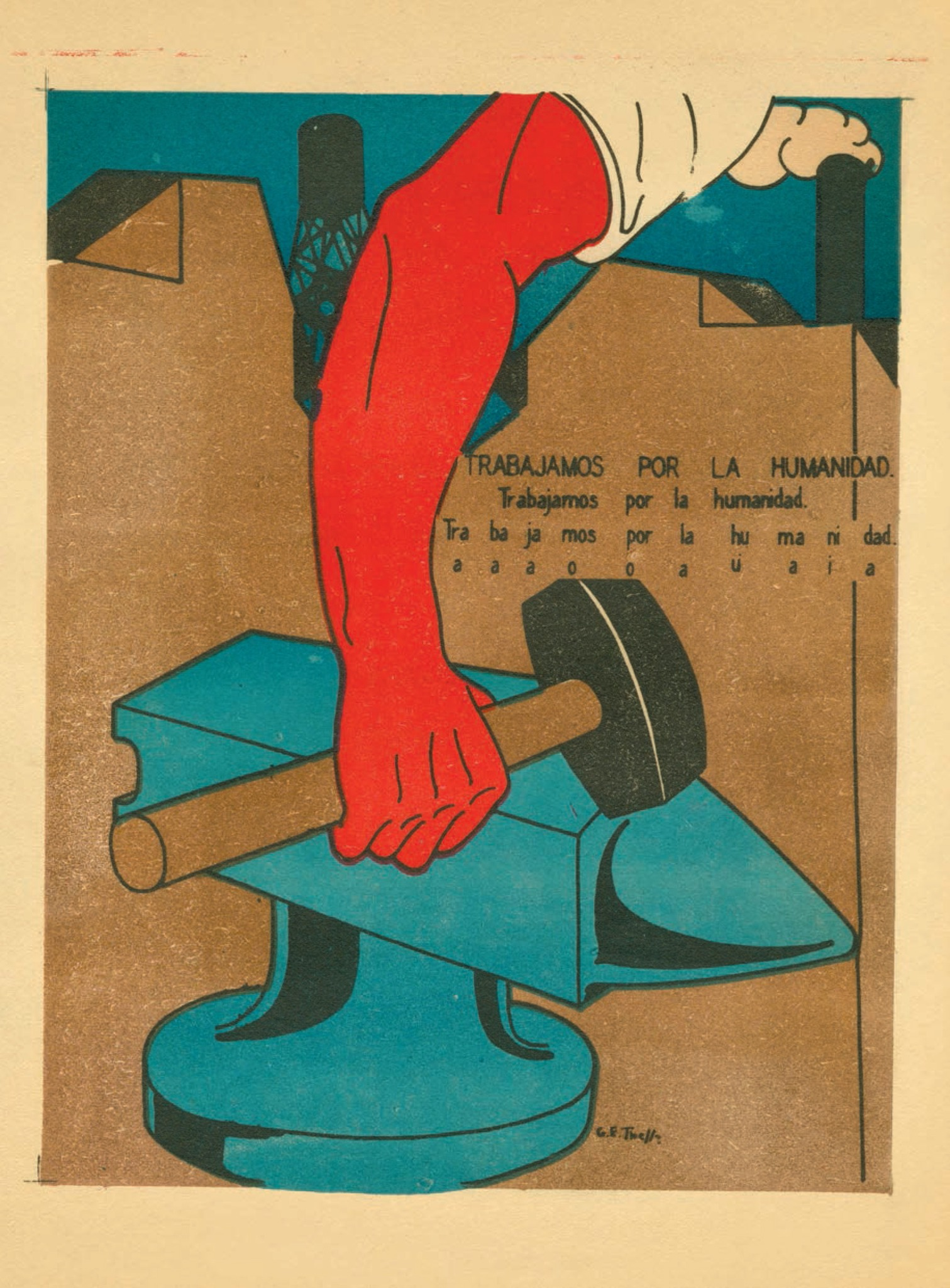
What was the agenda of educational reform under neoliberalism?
Neoliberalism seeks to turn everything into a consumer product, bought and sold on the private market and to eliminate social rights such as health, education and pensions. It replaces social responsibility with individual responsibility — each for themselves alone.
In Mexico, neoliberals attempted to change the consciousness of teachers and students, pressuring them to conform. For students, their revised textbooks removed the history of Mexican resistance and eliminated important legends. In a story about the Niños Héroes (Boy Heroes), set in the Mexican-American War, military cadets jumped off a cliff to their deaths rather than allow invading US forces to capture the Mexican flag. While not a fully factual historical event, it inspired young students with Mexican national pride and anti-imperialist consciousness.
Private school tuition was made tax-deductible so that, in effect, the public paid for private education. Education had been free from preschool through college. In the 1980s and 1990s, the government attempted several times to defund public universities, impose quotas on the number of university students and charge tuition. A massive student revolt protested this — 500,000 students took to the streets.
For teachers, in the past, after you finished teachers college, you were guaranteed a job. Enrique Pena Nieto eliminated that policy.
His funding cuts led to worsening working conditions. Salaries became based on “merit” and “performance,” contradicting the constitutional right to equal pay for equal work. Now, only a third of a teacher’s salary was guaranteed as base pay.
Inequality increased, and the incentive to compete replaced teacher cooperation. University professors focused more on publishing than on teaching.
How was teacher performance measured? Through standardized tests — a plague on the profession! The tests covered all subjects, so a history teacher had to pass the science section, and those subjects change a lot over decades! If you failed for three years, even with 30 years of teaching experience, you were dismissed or removed from teaching duties. Obviously, these tests don’t measure the level of teacher preparation or the quality of the education provided to students.
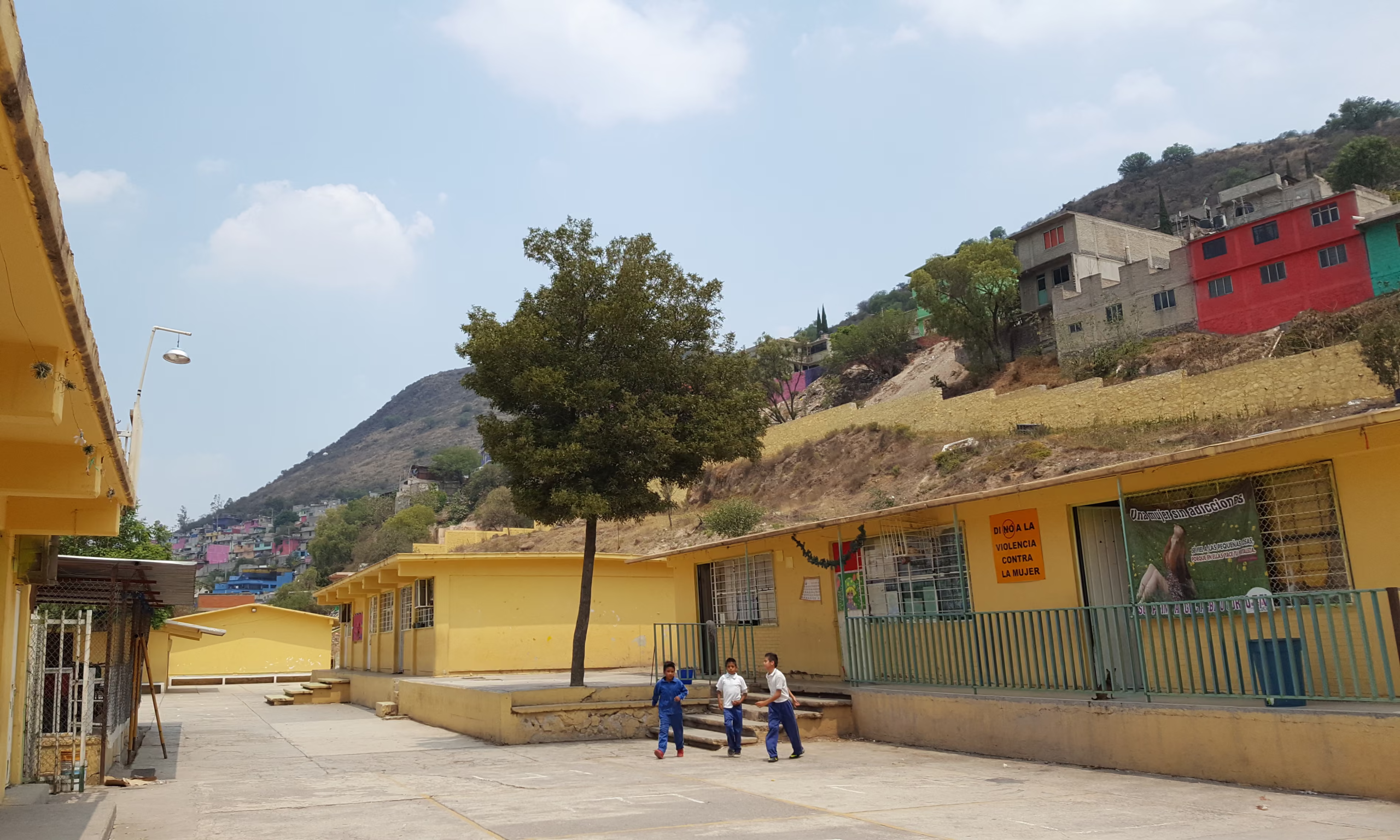
How was the Trinational Coalition in Defense of Public Education formed?
Neoliberal reforms began as early as 1973 in Chile under the dictator Augusto Pinochet and in Mexico and the United States in the 1980s and were then fully institutionalized in the North American Free Trade Agreement (NAFTA) of 1993.
Dan Leahy, from Evergreen State College in the State of Washington, organized a trinational conference with more than 200 people, 40 of them Mexican.
It wasn’t a union meeting, although many union activists participated; we didn’t meet to defend wages and contracts.
We issued a declaration in defense of education as a right, fundamental to building democratic societies. Dan from the US, myself from Mexico and Larry Kuehn from Canada initially formed the Coalition in 1993-1994. In our conferences, US, Mexican and Canadian educators share the realities of each country and support each other as equals.
After his 2018 election, President López Obrador directly attacked neoliberalism. Did he change the education system?
His social programs improved many people’s standard of living. The stipends, for students aged 5 to 17, have helped the poorest; some families use that money to buy food. It’s hard for children to learn if they’re hungry. All the “social welfare” programs are universal for their target populations — senior citizens, single mothers and children with disabilities — creating a more stable home environment for children.
The distribution of millions of free textbooks continues — and they are wonderful! Many are in Indigenous languages, and historical accuracy has been restored. Of course, the far right, such as the oligarch Ricardo Salinas Pliego, calls for the books to be burned because they are “communist!”
However, AMLO’s promise to completely reverse Peña Nieto’s reforms wasn’t kept. The worst policies, such as the punitive teacher evaluation system and the threat of dismissal, were eliminated. But the evaluation mechanisms for access to employment, promotion and inclusion in merit- or productivity-based pay programs remain.
The business-oriented concept of education, where students and exam scores are products, still underlies the system — quantitative, not qualitative, measures are valued.
AMLO’s administration did initiate something different — the New Mexican School, which reorients basic education to a model of radical critical pedagogy. It replaces teaching separate subjects with students participating in project-based learning. They work collectively on real-life projects that require information and skills from mathematics, science, research and other subjects to be utilized together.
Teachers from the CNTE (National Coordinator of Education Workers) were already employing this methodology, primarily in Oaxaca and Michoacán, and soon in Guerrero, where collective approaches are essential to the indigenous cultures that predominate in the southern region. Indigenous teachers are able to develop projects of decolonization rather than assimilation and to develop their own curricula and methodologies.
What is the current agenda of the Trinational Coalition, which amazingly has continued for 35 years?
Since the attack on public education goes beyond the USMCA countries, in 1999 we expanded to create a continental coalition: Initiative For Democratic Education in the Americas, the IDEA Network. The Trinational Coalition became an affiliate.
Today, it’s not just neoliberalism, we must confront the rise of neo-fascism. As US hegemony wanes, it has become more desperate. Led by Trump, the US exerts power through violence and terror. Our mission is to explain the new situation to the public and to shape an alternative consciousness.
To that end, we must affirm the principle of education as a social right — public, free, universal, and secular — as it was guaranteed by that still revolutionary document: the 1917 Mexican Constitution.
-
Mexico Requires a Deterrence Strategy
Mexico should continue to work at maintaining a positive relationship with our closest neighbor and number one trading partner. But acting like Trump isn’t capable of unilateral military action against us is foolish.
-
People’s Mañanera April 1
President Sheinbaum’s daily press conference, with comments on energy sovereignty, Tamaulipas housing, World Cup 2026, and the Gulf of Mexico oil spill.
-
The Hidden Connections Between the Ukrainian Military & Drug Cartels
It is difficult to believe that European intelligence services, which rigorously monitor arms trafficking, would ignore the flow of weapons & drones into the Americas.