Labor Rights Are Human Rights
This article by Meizhu Lui originally appeared in the September 23, 2026 edition of the Mexico Solidarity Bulletin, a weekly publication of the Mexico Solidarity Project.
Subscribe here to receive original content and a Mexico news compilation weekly.
What’s the foundational human right? The right to work and to make or grow as much as you need to live with dignity and security. From that right, other rights follow—to housing, to food, to mobility and so on.
In 1994, the NAFTA free trade agreement—negotiated in a neoliberal framework—took away that basic natural right in favor of corporate rights. It was foreign corporations that got the freedom to migrate, resulting in the many human rights violations we suffer today. In Mexico, we’ve seen displacement and worker migration, water and air pollution, and loss of access to safe drinking water; in the US, we’ve lost industrial jobs, which has often resulted in depressed workers with increased suicides and drug abuse, in turn creating a market for drugs with the rise of the drug cartels and expanding gun trade.
In 2018, the USMCA, or T-MEC, continued that agreement, with US unions demanding and getting some improvements for workers. The new Labor Accords specifically supported the right of workers to form democratic, independent unions in Mexico, giving workers the hope of getting rid of corrupt charro unions and gaining the power to win better wages and working conditions. In 2019, Mexican labor reform put that right into law.
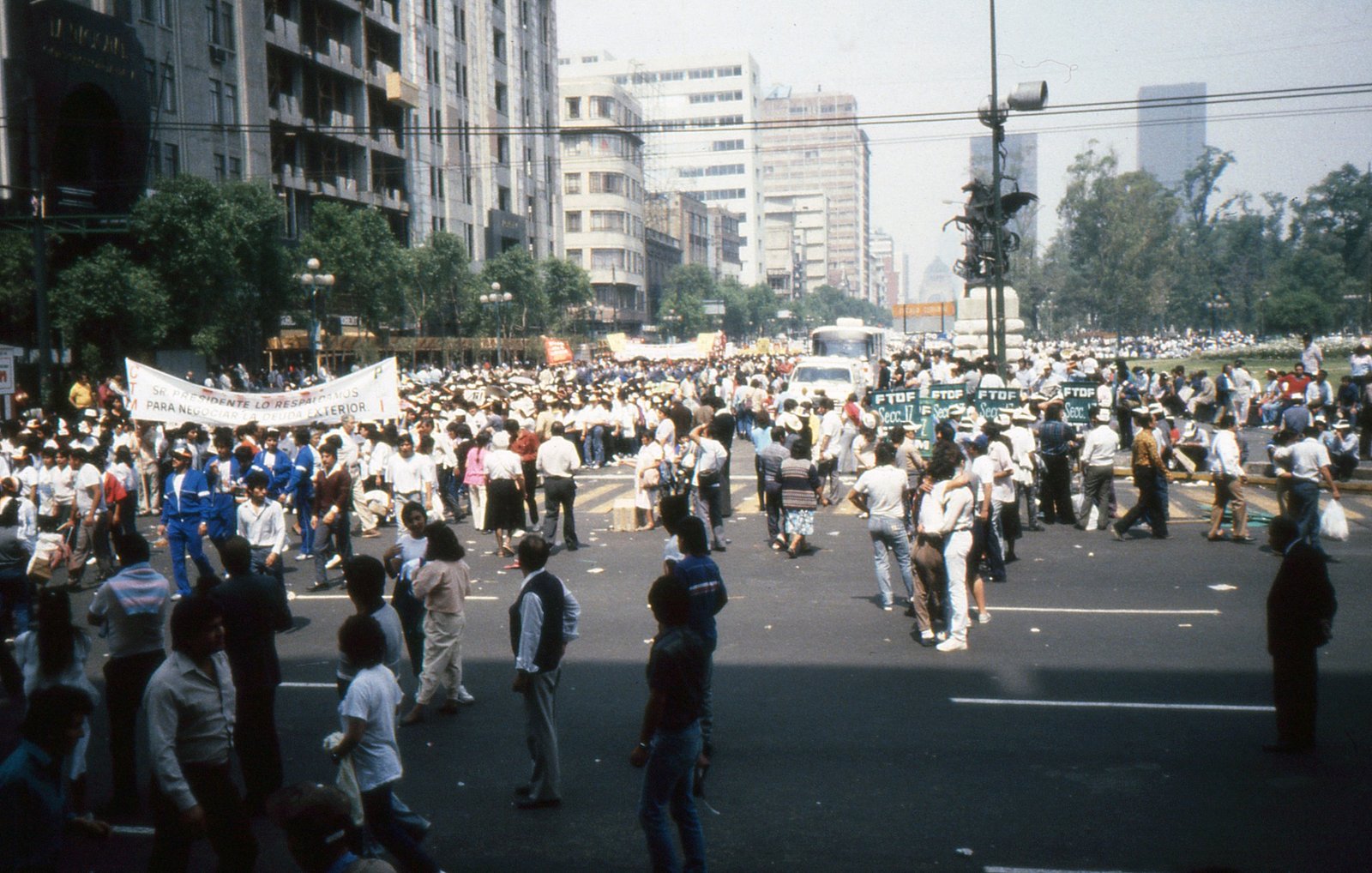
Workers did begin to organize independent unions. But companies never wanted to enforce the labor reforms of 2019—so repression and violence against the labor organizers continued; it simply took a different form. Under the PRI/PAN governments, the state perpetrated the repression and persecution of union leaders, including firing on demonstrators. That’s no longer true. Now, the companies hire thugs, some connected to cartels, to intimidate workers.
But even though the United Nations and the International Labor Organization recognize labor rights as human rights, Mexico does not.
The new report to Mexico’s Comisión Nacional de los Derechos Humanos (CNDH) makes a strong case for changing that and for new protocols to protect those who are exercising their right to form unions.

Meizhu Lui
is a co-founder of the Mexico Solidarity Project.
-
Constitutional Reforms Strengthen the Defense of Mexican Sovereignty, Sheinbaum Says
Elections swayed by foreign interference can now be annulled, and Sheinbaum likened those seeking outside backing to the conservatives who brought Maximilian.
-
At the End of the Six-Year Term There Will Be 350,000 New Places for Undergraduate Studies, Sheinbaum Says
The plan includes new high schools and technological institutes, converting middle schools without afternoon shifts, and more Rosario Castellanos campuses.
-
Mexico’s Social Security Chief: Dialogue With Rank-and-File Workers “Floor by Floor” in IMSS Hospitals
After weeks of worker protests, hospital-by-hospital reviews of supplies, staffing and equipment come ahead of an October 14 vote on a 6.8 percent raise.