Latin America, Propaganda & US Interference
This article by Alonso Romero originally appeared in the September 1, 2025 edition of La Jornada, Mexico’s premier left wing daily newspaper. The views expressed in this article are the author’s own and do not necessarily reflect those of the Mexico Solidarity Project.
The United States government, regardless of the political party or the era, considers it its right to seize resources and determine the form of socioeconomic organization of all territories in the Latin American subcontinent. This has been a long-standing policy that has changed over time, but its objective has always been the same: “to subject Latin American countries to US interests.” The Monroe Doctrine, the Roosevelt Corollary, the National Security Doctrine, the Condor Plan, the War on Drugs, and the Washington Consensus are some of the ideologies that have sustained and endorsed interventions, including US military interventions, in several Latin American countries. The formula is always the same: the first step is to create an enemy and create the division that any government in the region that does not submit to the US is part of and/or allied with those enemies.
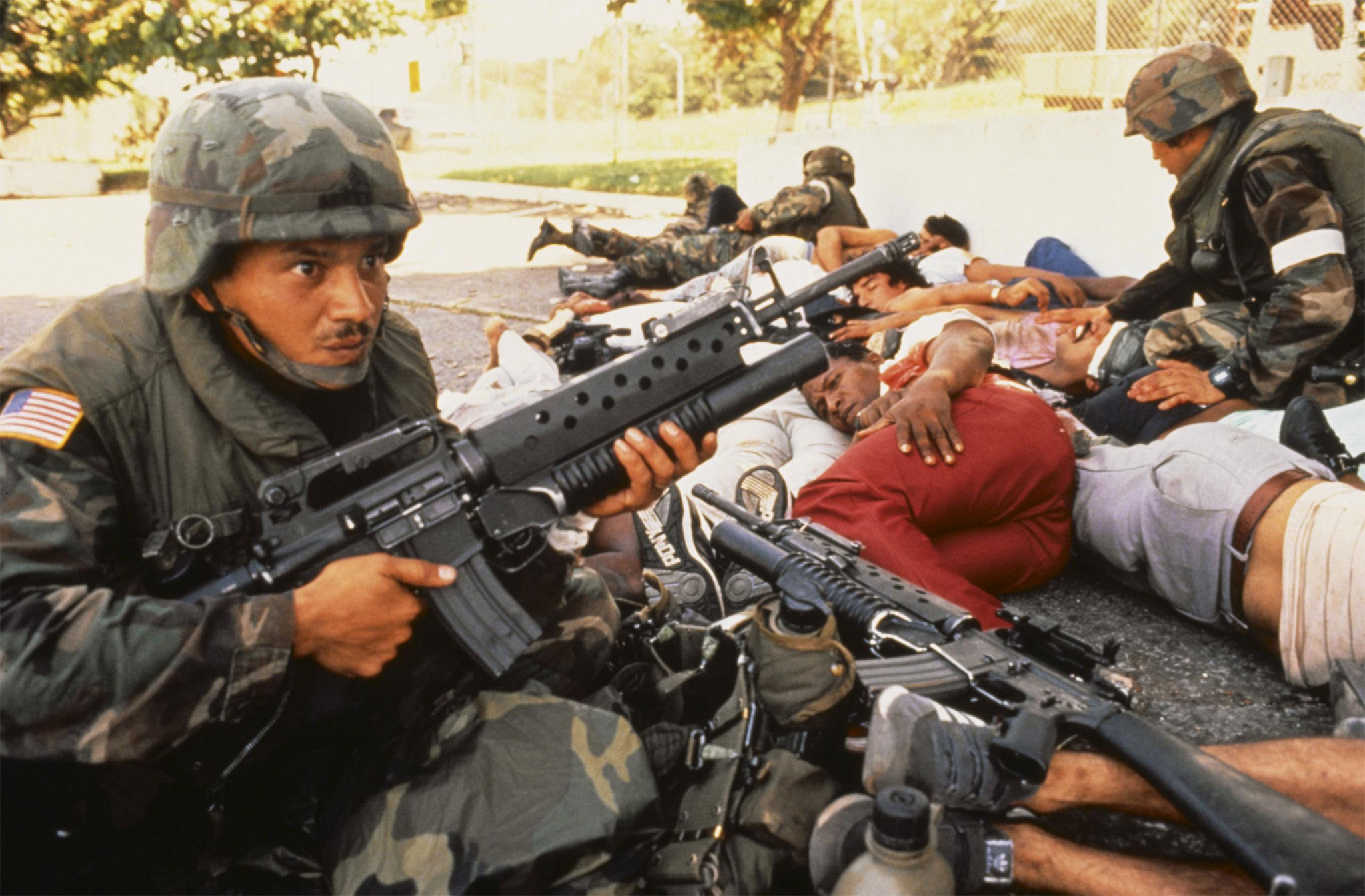
We’ll begin with the National Security Doctrine, which, once the Cold War began, divided the world between the good capitalists, who defended freedom and democracy, and the Communists, who represented everything bad in the world. Under the pretext of defending nations and their citizens from communism and the path leading to it (socialism), the US promoted a series of coups d’état that resulted in the establishment of multiple military dictatorships in Latin America, supported by economic elites.
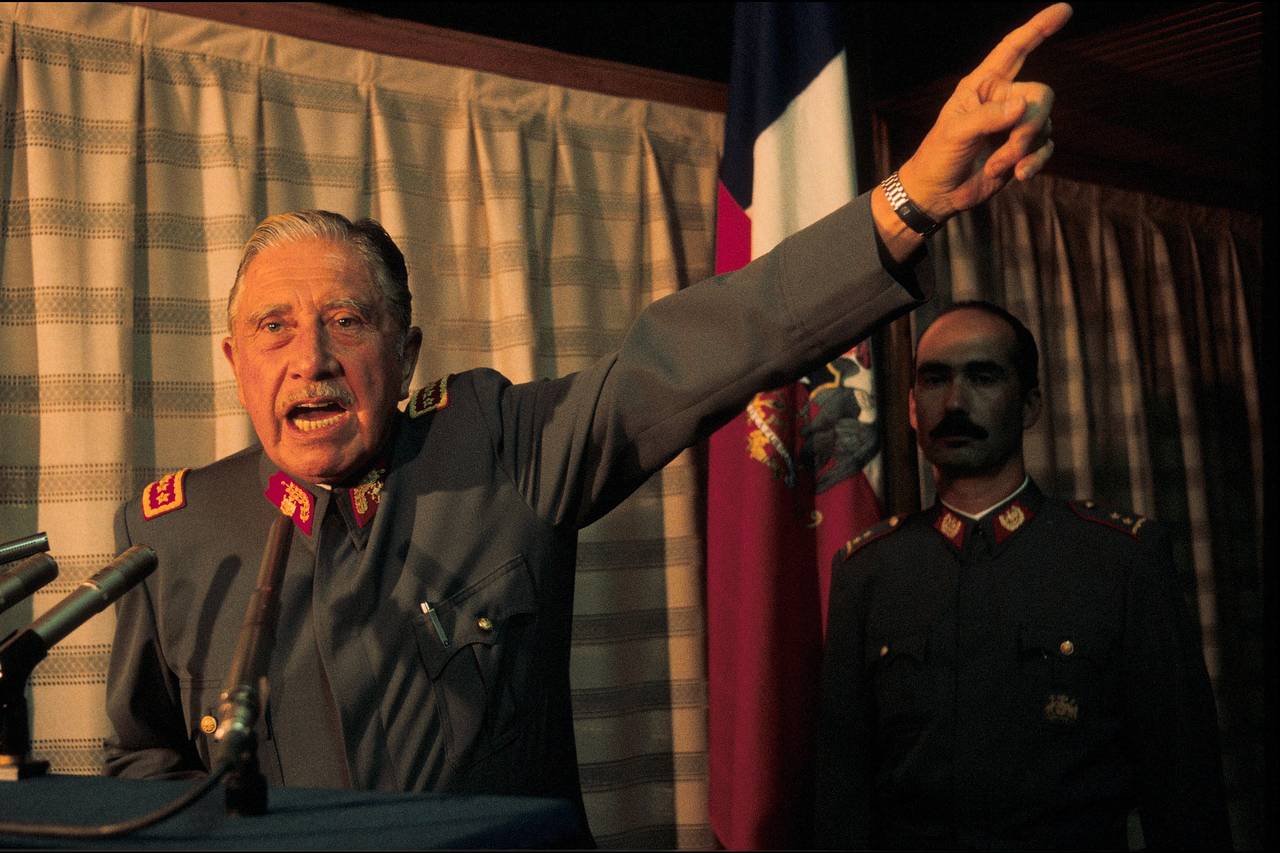
These elites cooperated in the Operation Condor to kidnap and assassinate the opposition with Washington’s approval—anything goes to defend themselves against the evil Communists. These countries, under the control of the economic elites, implemented “liberal” policies that configured the entire economy to be exploited by and for US interests. There is no greater example than what Pinochet did in Chile, guided by Milton Friedman and the entire Chicago School of Economics, who believed that repression and a brutal regime were necessary to establish the conditions required by neoliberalism.
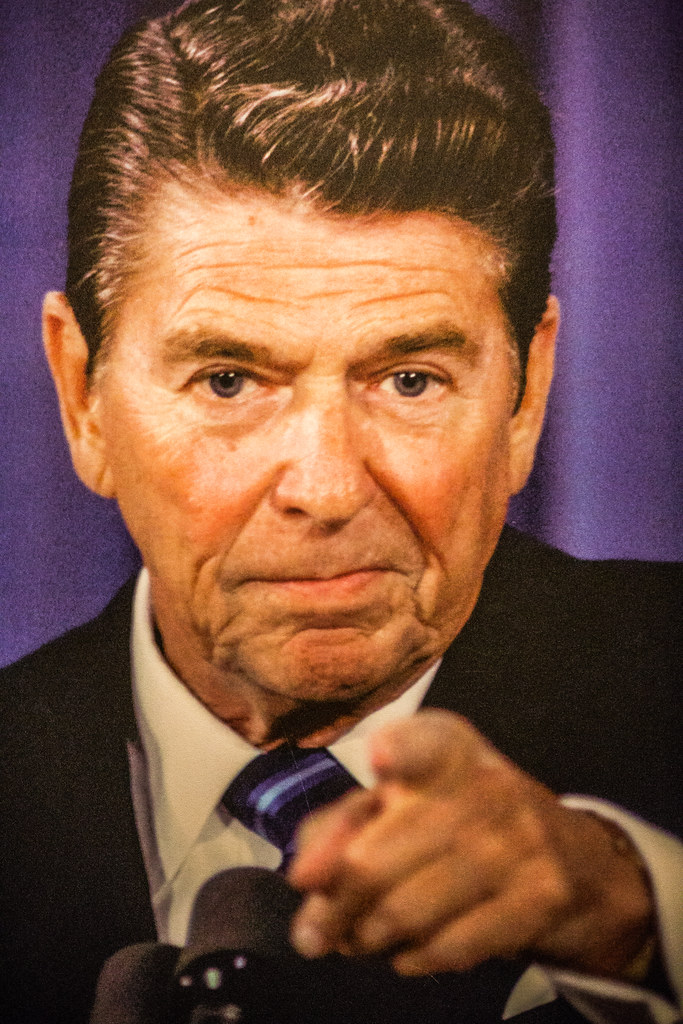
As dictatorships lost power and the Cold War drew to a close, the “Communists” could no longer be the villains, as the endless abuses had been committed in the name of “capital and neoliberalism.” It was then that Washington, under the Reagan administration, began exporting the drug war policy initiated by Nixon to the US. John Ehrlichman (Nixon’s domestic affairs advisor) summarized this policy in the following quote:
“The Nixon campaign in 1968, and the Nixon White House after that, had two enemies: the antiwar left and black people. You understand what I’m saying? We knew we couldn’t make it illegal to be either against the war or black, but by getting the public to associate the hippies with marijuana and blacks with heroin, and then criminalizing both heavily, we could disrupt those communities. We could arrest their leaders, raid their homes, break up their meetings, and vilify them night after night on the evening news. Did we know we were lying about the drugs? Of course we did.”
The US’s enemy was the Communists and democratically elected leftist governments in Latin America, which wanted to prioritize the development of their countries and nationalize strategic industries to exert control over their natural resources. Obviously, they couldn’t declare this illegal or intervene directly, but they could try to make the public associate Communists and the left with drug trafficking.
They immediately began this task, and on February 16, 1983, the Washington Times published an article calling Fidel Castro the biggest drug trafficker in the Northern Hemisphere and blaming all communists for the heroin crisis in his country. The article can be found on the CIA website. Ironically, just two years later, the Reagan administration would become embroiled in the Iran-Contra scandal, in which the CIA collaborated with the Guadalajara Cartel to finance and train counterinsurgents.
The US hasn’t changed its policy or its vision for Latin America; the narrative is different, and the actors are different, but the objective is the same: to control the region’s natural resources and subject them to political and social structures as similar as possible to their own.
This tactic has been used every time a leftist government is elected in Latin American countries. Despite the fact that drug use in the US has steadily increased since the 1980s, the narrative has been fabricated for the left. Bolivia, Peru, Colombia, Chile, and Brazil are some examples where the narrative has been amplified by the corporate press, with strong ties to business and the US. In fact, if one reviews the journalists and influencers currently repeating this narrative in Latin America (Jaime Bayly in Bolivia or Axel Kaiser in Chile, for example), one finds ties to two organizations: the Conservative Political Action Conference (CPAC) and the Atlas Network, which are behind the international coordination of the far right.
CPAC and the Atlas Network have been a forum for Trump and his entire cabinet, including Pam Bondi, Kristi Noem, and Marco Rubio, the main proponents of the narrative equating the left in Mexico with narco-trafficking. It’s also not surprising that the Atlas Network is the main proponent of the narco-president narrative on social media, given that its director for Latin America is Roberto Salinas, the cousin of Ricardo Salinas Pliego (wealthy ultra-right wing Mexican businessman, owner of TV Azteca, currently embroiled in a fight with the Mexican state over a billions-peso tax debt – Ed), who also repeats the narrative. And, of course, it’s not surprising that [PAN Senator] Lilly Téllez is the one who has sought out foreign intervention, as she was an employee of Salinas Pliego for decades. It’s always through the hand of local economic elites that the US manages to intervene and subjugate nations.
The story is clear: the US hasn’t changed its policy or its vision for Latin America; the narrative is different, and the actors are different, but the objective is the same: to control the region’s natural resources and subject them to political and social structures as similar as possible to their own.
Alonso Romero is a specialist in energy issues, Master’s Degree Energy Finance from the University of Edinburgh.
-
Mexico National Farmers Strike, Day 1
Driven by concerns over US crop dumping, monopoly profiteering, the decline of food sovereignty & insufficient state support, farmers have struck for the third in six months. Now transporters have joined.
-
People’s Mañanera April 6
President Sheinbaum’s daily press conference, witch comments on public education investment, AIFA, Committee on Enforced Disappearances report, and the Gulf of Mexico oil spill.
-
Ultra-right “Masculinity” Congress in Guadalajara
Promoted by government agencies in Jalisco, Guadalajara, and Zapopan and featuring a morbid roster of misogynists, reactionaries & former boy band singer; the expensive two day event has drawn criticism.