Renovation of Mexico City’s Metro Line 3 to Begin in 2027; 45 Equipped Trains to Be Purchased
This article by Elba Mónica Bravo originally appeared in the July 14, 2026 edition of La Jornada, Mexico’s premier left wing daily newspaper.
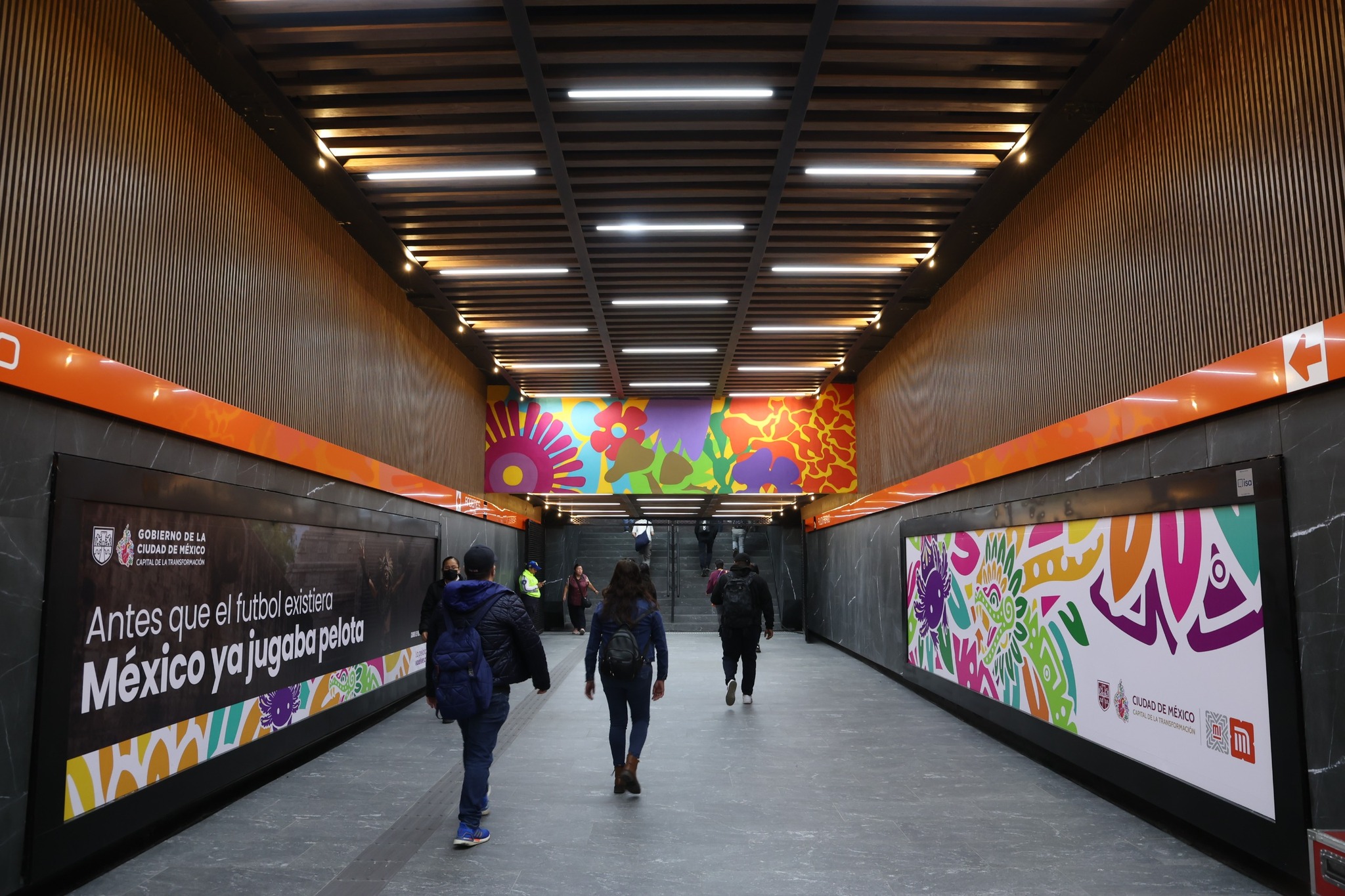
Mexico City. Starting in 2027, renovation work will begin on Line 3, which runs through 21 stations from the Universidad terminal to Indios Verdes, for which 40 billion pesos will be allocated, funds that must be approved by the Mexico City Congress since it is a co-investment, meaning that the private sector will participate.
The Head of Government of Mexico City, Clara Brugada Molina, said that for the rest of the year no station will be closed nor will service be suspended, and the Metro fare, which is five pesos, will not be increased either.
The Secretary of Administration and Finance, Juan Pablo de Botton Falcón, explained that a co-investment is a joint participation with a company to carry out the specific objectives of a project, in this case the comprehensive rehabilitation of Line 3. However, he stated that it will be in the guidelines to be published in the Official Gazette of Mexico City where it will be specified how much of the total 40 billion pesos investment will come from the private sector and the timeframe over which the works will extend, the amounts to be paid and the years, as well as the sections that will be worked on.
40 Years in Operation
For his part, the general director of the Metro Collective Transport System, Adrián Rubalcava Suárez, indicated that for the rest of the year there are 5 billion pesos that will be allocated to the renovation of the line, which are funds from this year’s budget.
In front of the ticket booths at the Universidad terminal station, Brugada Molina announced the purchase of 45 new, modern trains equipped with technology, noting that the current ones are more than 40 years old and have traveled more than 3 million kilometers.
She mentioned that the track system will be rehabilitated, as it currently shows significant wear that generates permanent operational problems, which is why the rails on which the trains run will be replaced.
She commented that in some sections there are problems with differential subsidence and unevenness that must be corrected, which will allow for a comprehensive renovation of the tracks.
She recalled that in the case of Line 1, Metro service was suspended for more than a year, and here the idea is precisely not to close the Metro, “but only by schedules, on weekends, and some days when necessary.”
She mentioned that in 2013 thousands of students mobilized against the Metro fare hike, and also “in 2024 the right’s political project proposed differentiated Metro fares to charge more to those who lived farther away. Of course the population rejected that proposal with their vote, and obviously, as a totally regressive initiative, it meant a blow to the stomach for families.”
She stated that each Metro ticket costs around 13 pesos and the government absorbs the difference with the five-peso fare as a subsidy.
-
Sheinbaum Presents Draft Decree to Force Digital Platforms to Take Down Content That Incites Violence and Hate
No fines for now: the government will talk with tech companies before publishing the decree next week, a promise made after the Coahuila school attack.
-
People’s Mañanera October 9
President Sheinbaum’s daily press conference, with comments on digital safety, IMSS-Bienestar, sovereignty, and the opposition.
-
Mexico’s Gas Reserves Would Last Only 3 Days
Cenagas director Cuitláhuac García revealed Mexico has no gas storage and imports 75% of what it consumes, after a US supply cut exposed the risk.