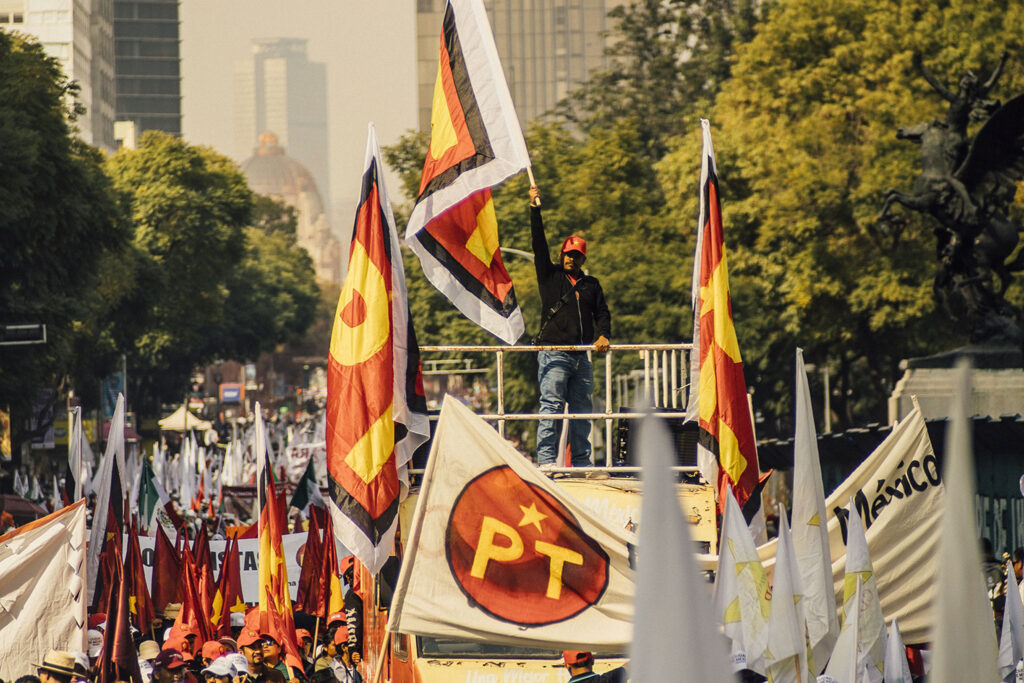
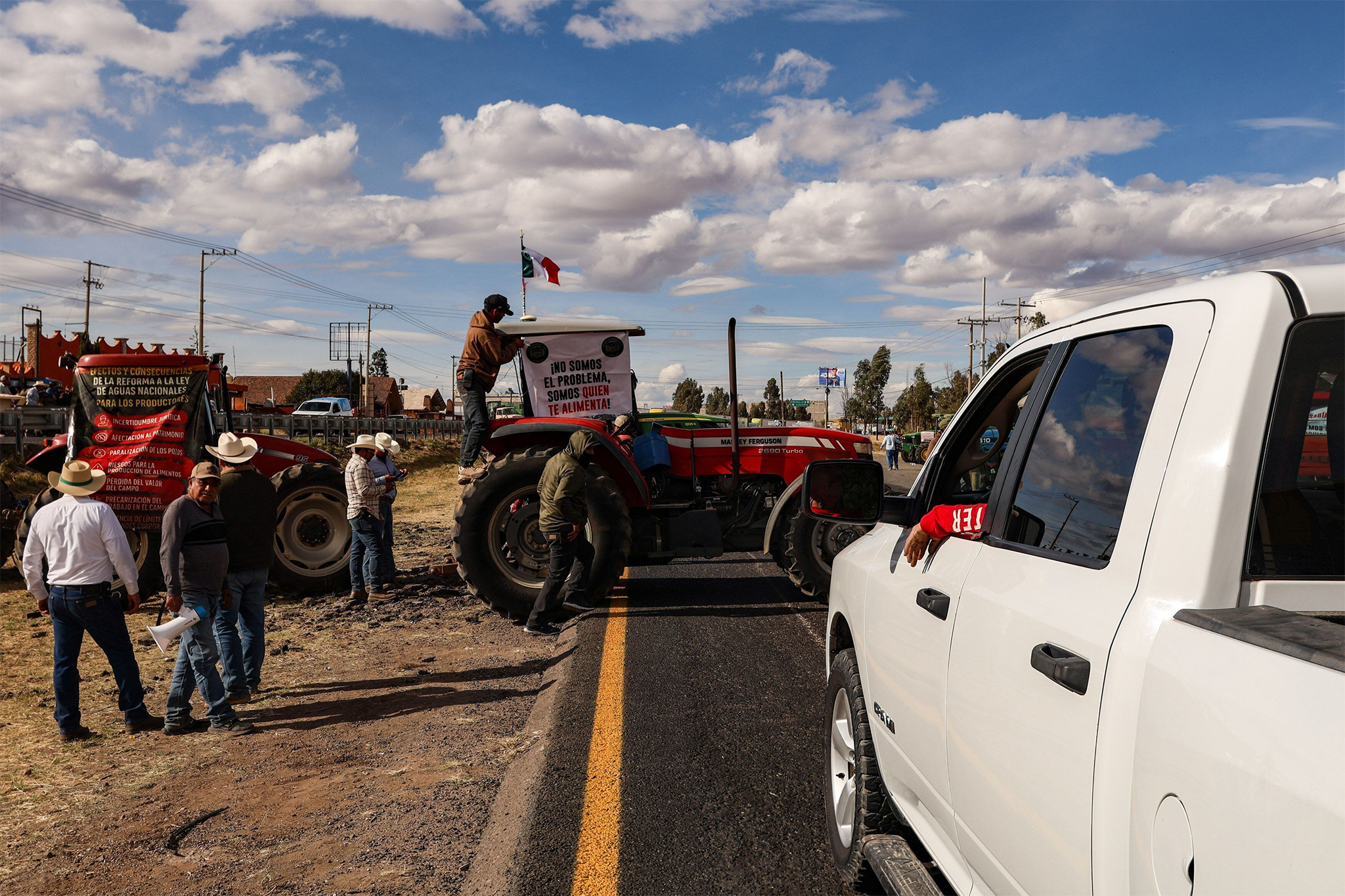
Mexican Farmers Strike Starts March 23rd: “We will do everything in our power to prevent the World Cup from taking place”
This article by Vanessa Rivas originally appeared in the March 17, 2026 edition of El Sol de México.
Given the lack of progress on the demands of the agricultural sector, campesino organizations in the north of the country announced a national strike on March 23 , which could include demonstrations and blockades on highways and railways, as a pressure tactic to demand that the Federal Government address the crisis facing the Mexican countryside.
Eraclio “Yako” Rodríguez Gómez, leader of the National Front for the Rescue of the Mexican Countryside, stated that various mobilizations and strikes took place last year due to the crisis facing the agricultural sector, caused primarily by water scarcity, the lack of guaranteed prices, and the need to renegotiate grain trade conditions within the USMCA.
He explained that, despite the protests held in 2025, progress was only made on one of the five points raised on the agenda with the Federal Government, related to water issues, while the remaining demands remain unresolved.
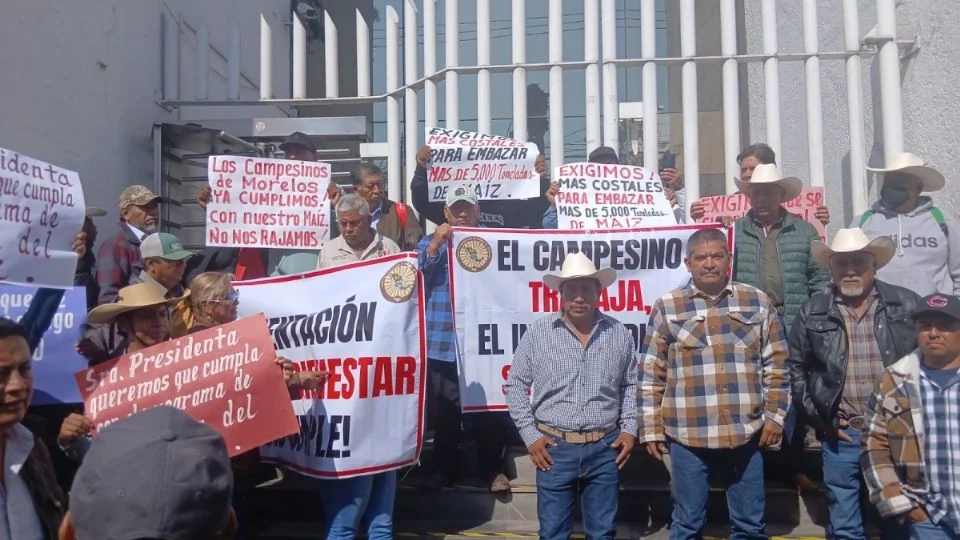
He indicated that one of the main complaints is the lack of effective implementation of support programs for small producers, particularly regarding the purchase of corn and beans, where they reported irregularities and alleged acts of corruption in the management of warehouses and resources allocated for grain acquisition.
Among the outstanding issues, the producers emphasize the need to review the basic grain import scheme, proposing that products like corn and beans should only be imported through countervailing duties, in order to balance domestic production costs.
They also propose the creation of a new agronomic development model that will strengthen national production and establish goals aimed at promoting the country’s food self-sufficiency.
Another proposal from the farming sector is the creation of an agricultural development bank, which would facilitate access to financing and strengthen productive activity in rural regions.
Furthermore, they reiterated the demand to establish guaranteed prices, with the aim of ensuring that producers can sell their crops at a fair price, which would provide greater economic certainty to those who work the land.
Representatives of the sector also criticized the lack of dialogue with federal authorities, noting that officials recently held meetings with large livestock marketers, but not with small rural producers.
In the case of Chihuahua , they indicated that the protest actions could be concentrated on the Pan-American Highway and on the railway lines that connect Ciudad Juárez with the center of the country , where they are analyzing various demonstration strategies.
However, they clarified that they will seek to affect society as little as possible, since the objective of the mobilizations —they pointed out— is to pressure the large importers and buyers of grains, who, they assure, are prioritizing the importation of products instead of acquiring national production.
-
Reports of its Death May Have Been Greatly Exaggerated
BlackRock, fracking, public-private partnerships, the financial elites and Mexico’s inertia and budgetary shortcomings.
-
Workers Party says Mexican Musicians Betrayed
The PT says “lobbyists for the mega-corporations kept circling [Mexico’s cultural] commission like vultures,” and its President fell into the trap of Universal Music, Sony, & Warner.
-
History, Culture & Mental Health
Community-rooted and culturally responsive, Colorado’s El centro AMISTAD provides unique health, education and social services.