Mexican Farmers & Transporters End Blockades
This article by Nestor Jimenez originally appeared in the November 27, 2025 edition of La Jornada, Mexico’s premier left wing daily newspaper.
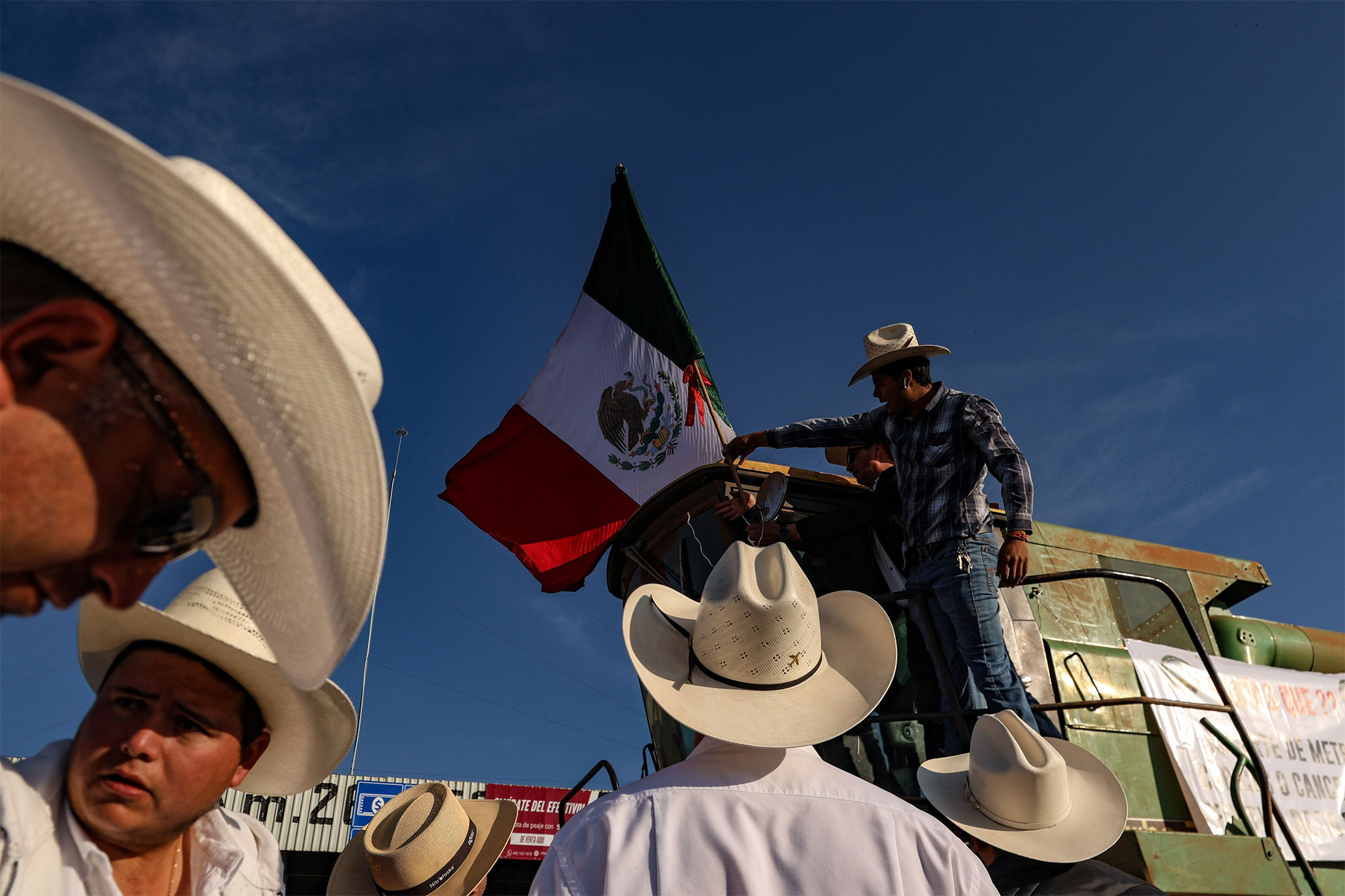
Mexico City. Leaders of the National Front for the Rescue of the Mexican Countryside (FNRCM) and the National Association of Transporters (ANTAC) confirmed that they have ended the blockades on highways, toll booths and customs offices, which began on Monday, after reaching an agreement at the meeting they held again today at the Ministry of the Interior (SG).
They announced that the authorities committed to modifying the General Water Law initiative, as well as addressing the demands of farmers and for greater security on the highways, for which there will be “a permanent working group” with new meetings already scheduled to finalize guaranteed prices and loans for the agricultural sector.
Similarly, the request to exclude basic grains and oilseeds from the potential review of the United States-Mexico-Canada Agreement (USMCA) will be discussed, with the intention that the domestic market should determine prices. Regarding security, a specialized prosecutor’s office will be created to investigate crimes committed on highways.
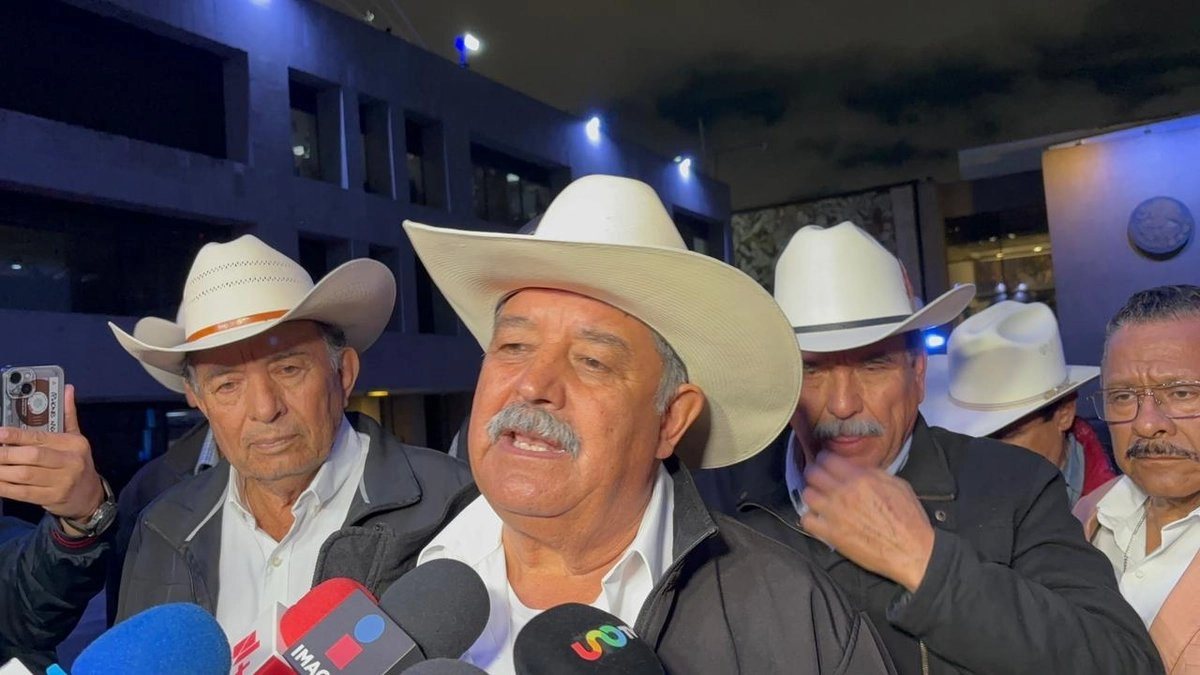
After a series of unsuccessful meetings throughout the week, on Thursday the leaders of both groups returned to the SG headquarters to resume dialogue with federal officials and the National Water Commission (CONAGUA).
The meeting began at 8 a.m. and continued uninterrupted for more than 13 hours.
At the conclusion of the dialogue, Eraclio Rodríguez, leader of the FNRCM, explained that the proposed General Water Law will include adjustments regarding water concessions, allowing them to be inherited. He added that the initiative will provide differentiated treatment for water used for agriculture versus water used for industrial or other purposes, but will maintain the principle of prioritizing domestic use of water extracted from wells.
For his part, Baltazar Valdez, president of United Farmers of Sinaloa, added that there was a commitment from the federal government “to release all outstanding payments for the support we have been demanding for wheat and corn.”
Meanwhile, David Estévez, leader of ANTAC, pointed out that they agreed that state police will no longer participate in highway surveillance unless they are “supervised” by the National Guard, and security cameras will be installed at various points.
That evening, the Secretary of the Interior confirmed that “the protesters pledged to immediately lift the road blockades” and announced that three working groups had been set up to continue addressing the demands.
-
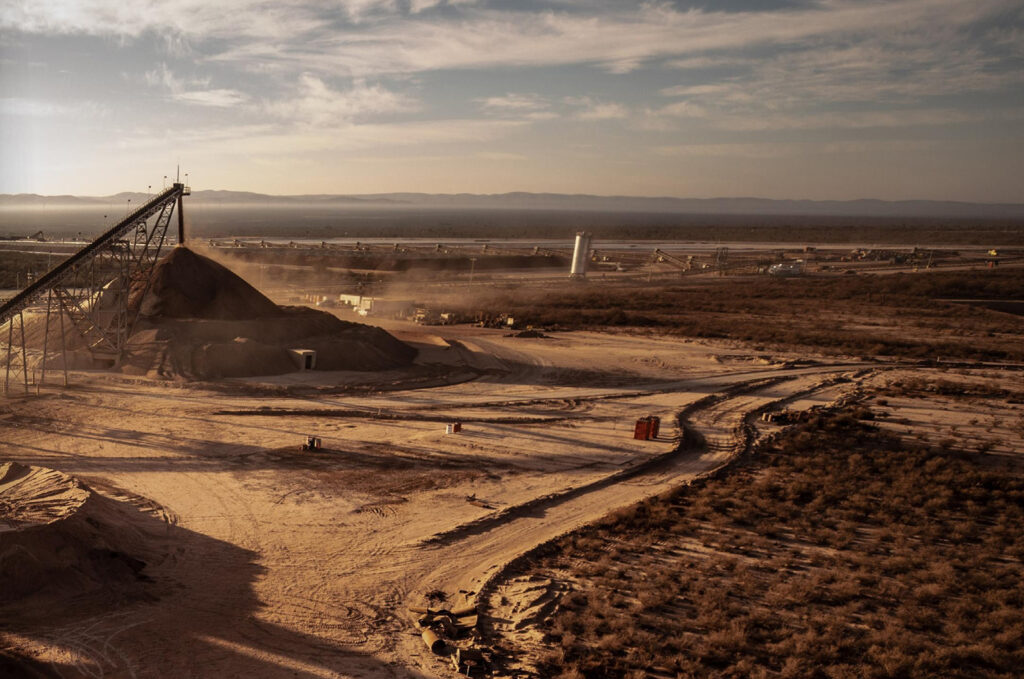
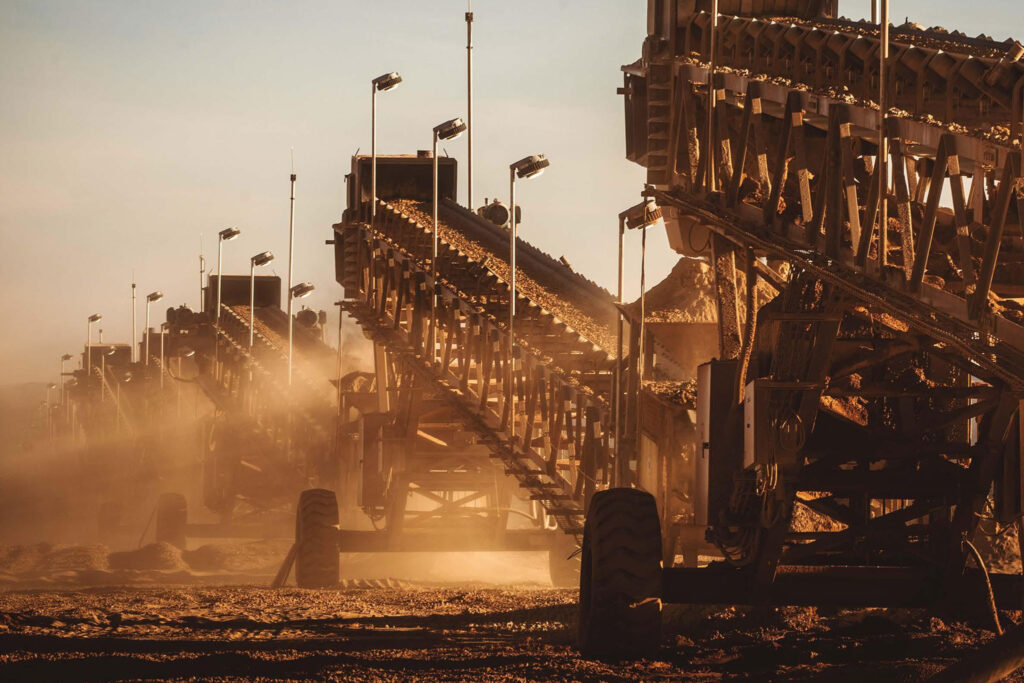
Camino Rojo: Impunity & Reluctance
What special privilege do mining corporations (both national and foreign) enjoy in Mexico, where they get away with everything, even in these times when the law is supposed to be applied equally without exception?
-
Orla Mining: Investigate & Clarify
If it is confirmed that the Canadian mining company hired criminals to persecute its workers, the sanction cannot be limited to an administrative procedure, as this would allow companies to normalize fines as just another operating cost.
-
People’s Mañanera April 10
President Sheinbaum’s daily press conference, with comments on electoral reform, Barcelona reformist summit, electoral auditing, the economy, World Cup and former Michoacán governor Silvano Aureoles’ arrest warrant.