Mexican Food Dependency Deepens: Domestic Grains & Oilseeds Only Cover 44% of Consumption
This article by María del Pilar Martínez originally appeared in the December 29, 2025 edition of El Economista.
As of the end of November 2025, the Mexican grain and oilseed market continues to undermine food self-sufficiency by producing only 44.1% of what it consumes; thus, Mexico consolidates itself as the second largest importer of grains and oilseeds worldwide, in addition to being the main global buyer of white and yellow corn .
This is according to the analysis by the Agricultural Markets Consulting Group (GCMA), which adds that although the total harvested area grew by 11.1%, national production only increased by 2.0%, “reflecting a drop in productivity mainly associated with climatic factors.”
This situation is exacerbated by a 3% increase in import volume and a nearly 78% drop in exports, reducing the self-sufficiency index from the previously recorded 46.8%. “In terms of profitability, Mexican producers face additional pressure because domestic production rose 3.6% while imported grain fell 0.5%,” the document states.
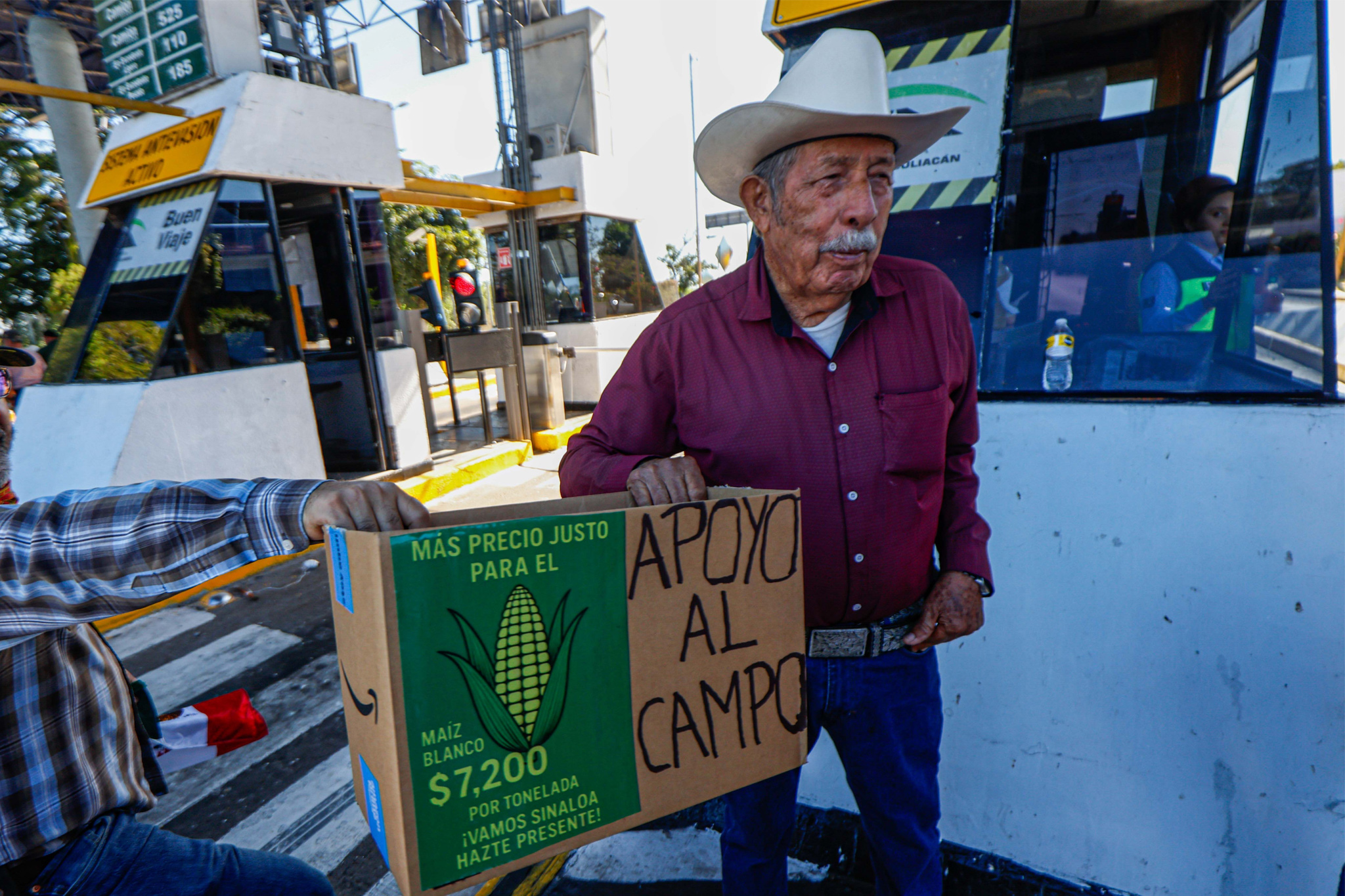
Product performance reveals deep crises, as in the case of corn, where production fell 3.9% annualized despite an increase in the harvested area, increasing external dependence with imports that reach 24.5 million tons.
Wheat production has suffered a historic 34% collapse due to drought, leaving self-sufficiency at just 23%. Meanwhile, sorghum self-sufficiency has fallen to 81.5% due to a surge in external purchases driven by low international prices.
In contrast, beans stand out as a positive outlier with an 18.8% increase in production, allowing self-sufficiency to recover to 86%. Rice , although its production improved, maintains a critical self-sufficiency of only 20.3%, affected by an 18% drop in national prices that is impacting the sector’s profitability.
The Agricultural Markets Consulting Group (GCMA) warns that the agricultural sector remains the Achilles’ heel of food security due to public policies that focus on small producers, who represent 84% of the units but generate only 26% of the volume. This strategy excludes 16% of producers who supply 74% of the market and who currently face high costs, lack of financing, and absence of insurance. “Without a comprehensive policy that increases the productivity of all sectors, Mexico will continue to deepen its external dependence.”
-
Mexico Requires a Deterrence Strategy
Mexico should continue to work at maintaining a positive relationship with our closest neighbor and number one trading partner. But acting like Trump isn’t capable of unilateral military action against us is foolish.
-
People’s Mañanera April 1
President Sheinbaum’s daily press conference, with comments on energy sovereignty, Tamaulipas housing, World Cup 2026, and the Gulf of Mexico oil spill.
-
The Hidden Connections Between the Ukrainian Military & Drug Cartels
It is difficult to believe that European intelligence services, which rigorously monitor arms trafficking, would ignore the flow of weapons & drones into the Americas.