Mexican Government Introduces Wellness Chocolate
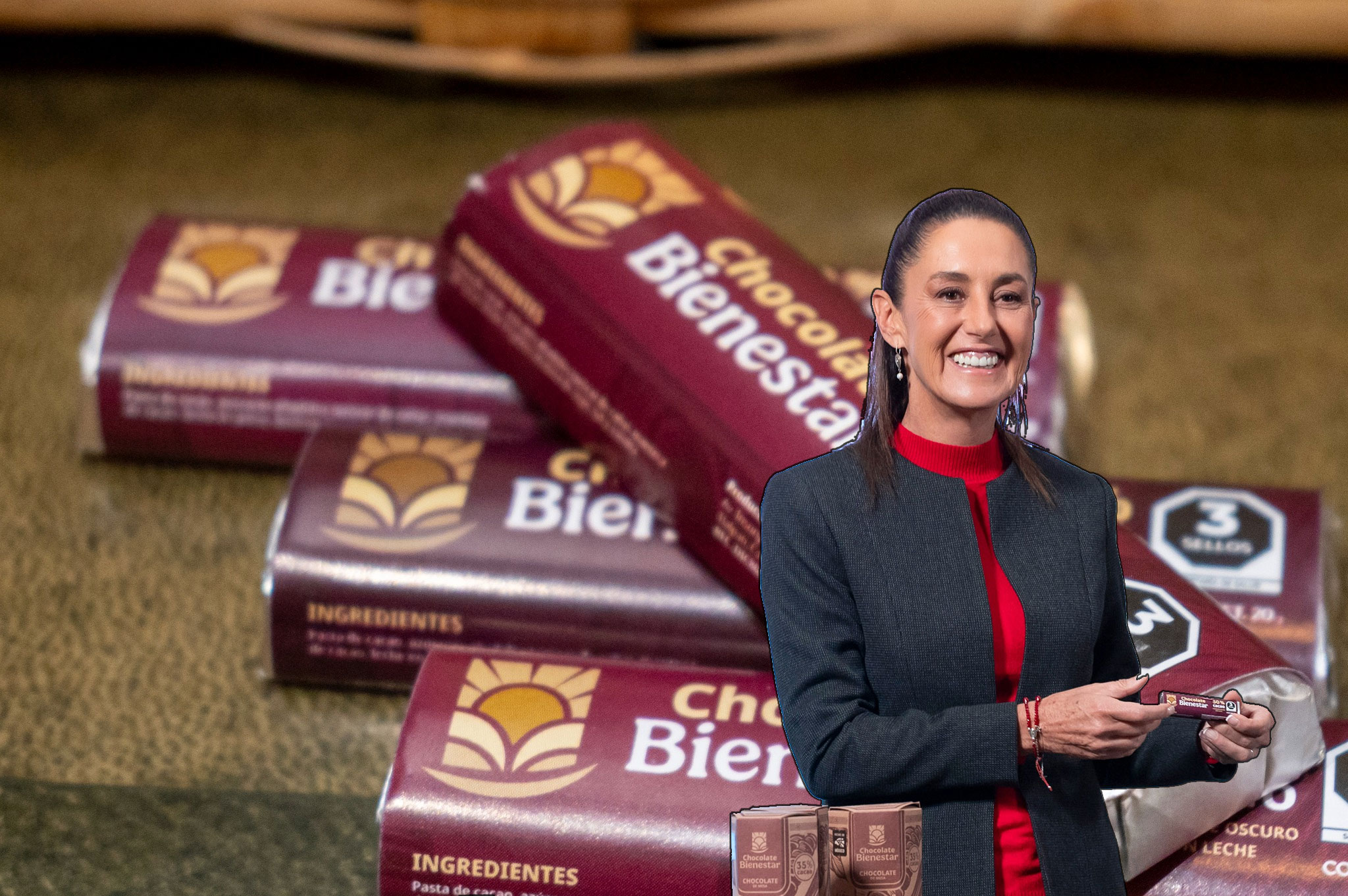
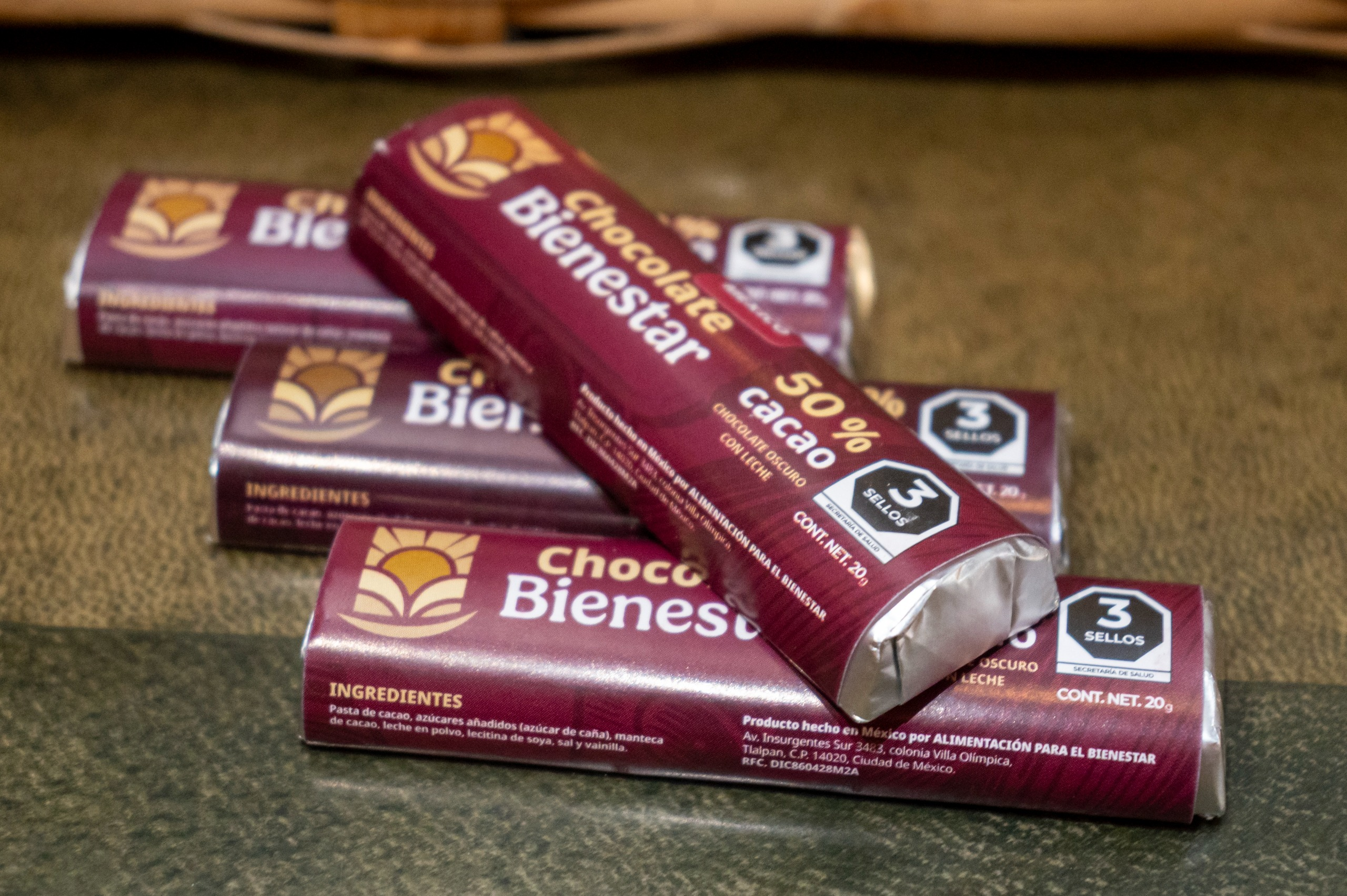
This morning at President Claudia Sheinbaum’s daily press conference, Maria Luisa Albores, Minister of Alimentación para el Bienestar, introduced three new chocolate products to be sold throughout the country: a 50% cocoa bar, a 30% cocoa powder, and a 35% cocoa for the table.
- Chocolate bar (14MXN): 20 grams, 50% cocoa (40% cocoa paste, 10% cocoa butter), 35% cane sugar, no additives.
- Powdered chocolate (38MXN): 30% cocoa, 8.8% vitamins and minerals.
- Table chocolate(96MXN): 35% cocoa, cinnamon from Sembrando Vida.
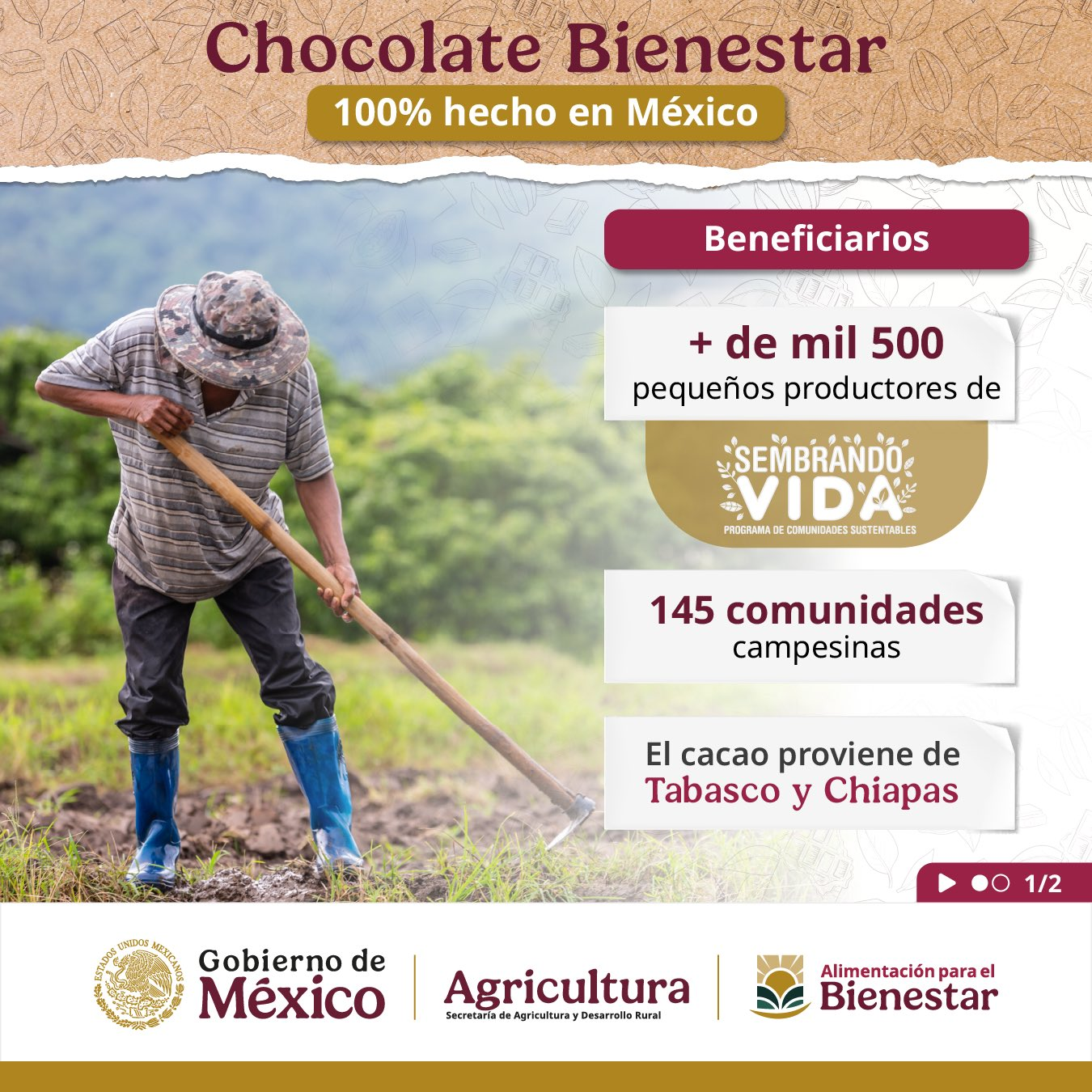
“It’s a healthy, high-quality treat that provides energy without processed sugar. A chocolate export within everyone’s reach,” Albores said. The government seeks to promote fair trade, support rural development, and encourage healthier eating habits.
All of the products are made without artificial flavors, artificial colourings or refined sugars, using natural cane sugar, along with powdered milk, salt and vanilla.
Small peasant producers in the states of Chiapas and Tabasco produce the cocoa, using agroforestry methods, enrolled in the government’s Sembrando Vida program, which is revitalizing small and collective agricultural production in the country. 34 million pesos were used to purchase more than 160 tons of cocoa.
The chocolate will be available for purchase at Tiendas Bienestar, which will roll out 27,000 public grocery stores operating throughout Mexico, primarily in rural areas and areas not served by other private grocer chains.
Chocolate is a particularly good first product for Mexico’s new publicy produced and distributed food products because, besides that cacoa originated in Mexico, it can be sourced from small & cooperative agroecological producers in the Sembrando Vida program and has a long shelf life makes it a good test for national distribution to remote, rural areas.
But the Mexican state does have experience distributing publicy produced perishable goods: the state company Liconsa has operated for decades, delivering fortified milk products at deeply subsidized prices to lower income and vulnerable members of society, such as children under the age of 12, women between the ages of 13 and 15, pregnant or lactating mothers, women between the ages of 45 and 59, people with chronic diseases or physical impairments, and the elderly above the age of 60.

The government has also purchased large quantities of corn, beans, honey and coffee from small and collective producers, which will soon be incorporated into other products available at the public grocery stores of Tiendas Bienestar and SuperISSSTE.
-
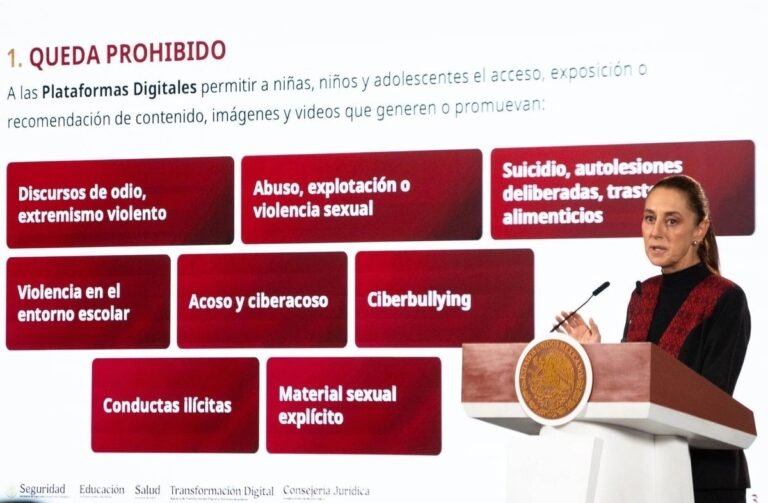
Sheinbaum Presents Draft Decree to Force Digital Platforms to Take Down Content That Incites Violence and Hate
No fines for now: the government will talk with tech companies before publishing the decree next week, a promise made after the Coahuila school attack.
-
People’s Mañanera October 9
President Sheinbaum’s daily press conference, with comments on digital safety, IMSS-Bienestar, sovereignty, and the opposition.
-
Mexico’s Gas Reserves Would Last Only 3 Days
Cenagas director Cuitláhuac García revealed Mexico has no gas storage and imports 75% of what it consumes, after a US supply cut exposed the risk.