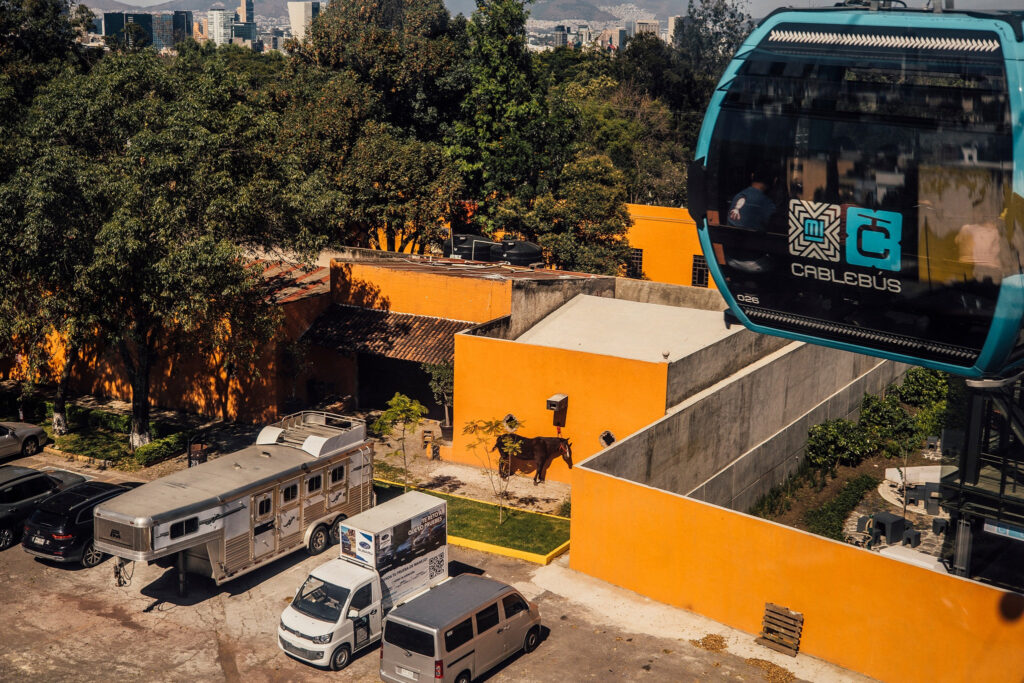

Mexican Hawaiians, Paniolos and Planters
The Hawaiian islands are the tops of volcanos, rising out of the ocean 2500 miles from any other land. Every living creature here has arrived by air or sea.
In 1793, a British navigator gifted six cows and a bull to King Kamehameha on Hawaii Island, also called Big Island. The king protected them and let them run wild and multiply. As they became a 1500-pound invasive species, they rampaged through villages, eating the thatched roofs off homes, trampling crops, injuring people — and no one knew what to do.
In the early 1800s, the king heard about the Mexican vaquero, or cowboy, and invited some to Hawaii. They taught Hawaiians how to handle horses — also new to Hawaii — and how to rope, herd, breed, fence and slaughter cattle. The Hawaiian beef industry was born.
The Hawaiian word for cowboy is “paniolo.” Because the Hawaiian language has no “s,” that’s how they pronounce “español.” I can see Mexican influence at the local rodeo I go to every year in the boots, bits, bridles, spurs and ornate hand-tooled saddles, which derive from early Mexican designs. Many Mexican Hawaiians, descendants of those early paniolo, still are proud ranchers.
Mexicans kept coming in small numbers. Armando Rodriguez and his wife Karina came to stay because Hawaii Island still has room for small family farmers who love to feel their hands in the dirt.
From paniolo ranchers to farmers like the Rodriguez family, Mexicans have contributed to Hawaii’s culture and economy. But now we are plagued by a new invasive species ruining crops and harassing people: ICE! The ICE species doesn’t care — it cannot be corralled or tamed. Eradication is the only alternative, and we’re working on it!
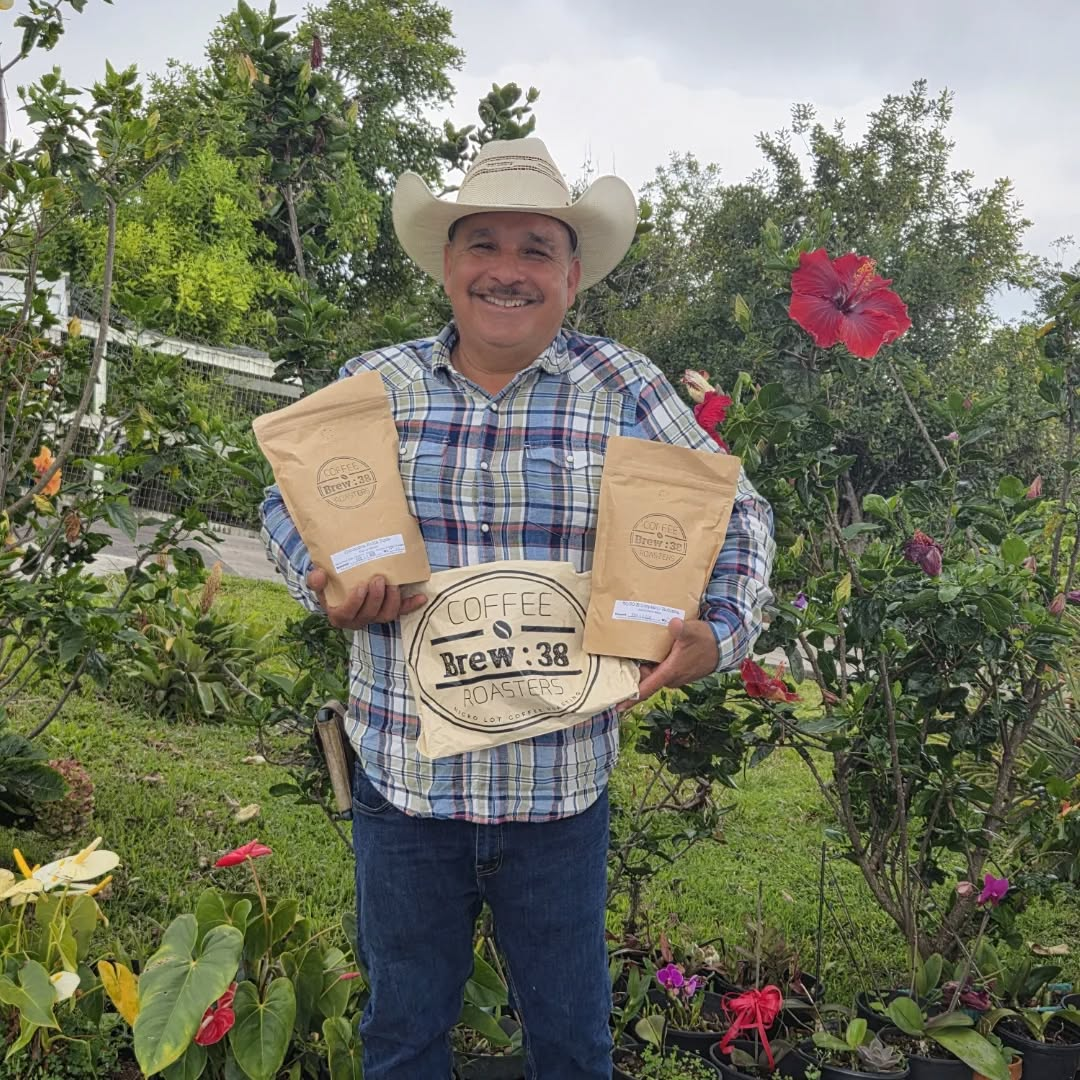
Armando Rodriguez went through the migrant back-and-forth journey between Mexico and the US several times before getting “lucky.” He was eligible for amnesty under the 1985 IRCA law. In 2013, he and his wife Karina started growing and processing their award-winning Aloha Star 100% Kona Coffee on Hawaii Island. He also founded Aloha Latinos, which informs and serves Mexicans and Latinos/as.
When did you come to Hawaii and why? It’s a long way from Mexico!
My story begins in Sonora, Mexico, where my father was a farmer. I didn’t know we were poor — but I didn’t own a pair of shoes until I was in the US! When I was eight, my parents decided to migrate north. I didn’t want to leave, especially not to leave my dog Chillin. When my parents and us four kids were driving away from our home for good, I could see Chillin chasing after us, and I was sitting on the back of our flatbed truck crying.
We drove across the Sonoran desert. It was 1978 in the monsoon season; we were cold and wet. The truck broke down, and we walked for several days. We made it to Arizona, and we knew of a place where you could just walk through a gate on a ranch. In Phoenix, my father got a construction job, and my mom got one in a tortilla factory.
But in 1979, they both were deported in an immigration raid.

Us four kids were left alone with no food for two weeks — it scarred me for life. An uncle finally came to get us. Later, our parents walked across the desert again and rejoined us. Life’s a roller coaster if you’re an immigrant. La Migra picked us up three or four times — but we always came back.

Me and my family ended up getting “lucky.” In 1986, Congress passed a law giving amnesty to immigrants living in the US for at least four years. We got a green card and a path to citizenship. I served in the military, but even after that, I was detained twice in Arizona. You probably heard of the racist sheriff Joe Arpaio in Maricopa County. He had it in for us Mexicans.
In Arizona, I started my own small construction company, but farming’s in my blood from generations. I first came to Hawaii as a tourist in 2003. In 2004, I bought a macadamia nut farm. After going back and forth between Phoenix and the Big Island for ten years, in 2013, my wife Karina and I moved to our Kona farm full-time. It’s the perfect place to grow coffee, and that’s what we did. I didn’t even drink coffee!
Here in Hawaii, we pioneered a different method of processing coffee called the “honey process.” After picking the red berries, instead of soaking them to separate the sweet red pulp from the bean inside — the method traditionally used here for over 200 years — we dry the berries with the “cherry” on, which gives it a sweet finish. Aloha Star 100% Kona Coffee has won many awards — it’s recognized internationally. I guess going back to farming was a good idea!

Has ICE come to disrupt Paradise?
Unfortunately, yes. ICE targets unaccompanied minors. Their excuse is they want to protect “children in danger” and just want to do a “welfare check” and to “rescue” them from trafficking. But these children are legally seeking asylum — that’s how the agents have their names. Once picked up, ICE sends them to detention centers in Arizona or Texas. Some rescue! ICE stopped a 17-year-old on the street who already had won his case. He ran to his high school to get his legal documents but was deported anyway.
It’s not about minors. At a ChoiceMart grocery store, they grabbed thirty people, mostly women and children, put them in a warehouse at the Kona airport, then flew them to Oahu. They took workers off a Kona coffee farm near me. No one gets to talk to a lawyer.

What’s the effect? At Konawaena Elementary School, officers took a little boy right out of his classroom. This frightened the other children, and after that they begged the teachers, “Lock the doors!” The arrests have affected farms, landscaping and construction businesses and spilled over to shops. At the ChoiceMart, the usually full Hispanic aisle is empty.
When did you found Aloha Latinos, and what does it do?
About three or four years ago, Mayor Mitch Roth mentioned at a meeting that he needed a Spanish-speaking organization to get information out to the community. But with ICE here, we’re doing more than giving out information. We distribute food to people afraid to leave home, we connect people who’ve been arrested to lawyers, and we work with other community groups to stop the local police from helping ICE.

At the Konawaena school, the school officer who pulled the child out of his classroom felt bad. He told me the boy’s father asked for someone to get his son. The father was arrested, and there would be no one to pick up his son from school. Since I lived through my parents disappearing as a child, I told the officer he did the right thing; parents and kids should not be separated.
But it makes me mad. They should have let the father go. ICE entered the home without a warrant, claiming they were looking for a 14-year-old boy to do a welfare check. Then they detained the two adults at home, one being the child’s father.
It’s unfair to make local police do this — we need to trust the local police to protect us, not terrorize us! My rancher grandfather used to say, “The one that holds the cow’s feet down commits the same sin as the one that stabs it.” Well, the local police were the ones holding the cow’s feet.

But Hawaii is a special place. You can still talk to the police and politicians with mutual respect. The community kept testifying to the police commission that they have to choose a new police chief that doesn’t cooperate with ICE. We did it! The new chief visited my farm and talked to me even before he was hired — wow, he came to me! He says the most important thing he’ll do is listen, and he’s keeping that promise.
Not everyone likes what Aloha Latinos is doing. Some people don’t want immigrants here; they think they’re “taking our jobs.” Even some Latinos oppose our work — they forget where they came from. I’ve been threatened. I used to keep my doors open, but now I lock up. ICE has divided us.
Do you have hope that things will get better?
If you take a clown and put him in a castle, the clown doesn’t become a king, the castle becomes a circus.
Americans will listen when their pockets are drained. They’ll realize our nation is going the wrong way. I’m still proud to be an American and feel blessed to be here. I’ll always defend my people and my country.
-
Court Denies Injunction Against Puebla Cablebus
The judge determined the NGOs did not provide sufficient evidence to prove environmental damage.
-
Mexico Will Bring Death of Mexicans in ICE custody in US Before IACHR
Mexico will not limit itself to a diplomatic note in the face of these serious events, President Sheinbaum indicated.
-
Without a Project & Leadership
Mexico avoids straining relations and, at the same time, avoids pursuing an industrial policy that might affect established interests, particularly those of large transnational corporations. External constraints & internal indecisiveness reinforce each other.