Mexican Women Work More, But in Unpaid Labour
This article by Clara Zepeda appeared in the August 28, 2025 edition of La Jornada, Mexico’s premier left wing daily newspaper.
Mexico City. Women in Mexico worked more hours than men, with 61.1 hours per week, compared to 58 hours for men, but they spent more of their time unpaid, reported the National Institute of Statistics and Geography (INEGI).
INEGI (National Institute of Statistics and Geography) reported that women in the country spent twice as much time on unpaid work—that is, 66.8 percent of their total time—compared to men, who spent 33.2 percent. In contrast, men spent almost twice as much time as women working for the labor market.
The Institute, in releasing the 2024 National Survey on Time Use (Enut), specified that 64.8 percent of women’s unpaid work in the country is distributed among domestic, care, and volunteer work, and 2 percent is spent on self-consumption production.
“The gaps are slowly closing in our country. It’s true that they are closing; the long series since 1996 confirms that the gaps are closing, but very, very, very slowly. We should celebrate the fact that there has been no setback, but that goes a long way to explaining the low female participation rate in the Mexican labor market,” acknowledged Graciela Márquez, president of INEGI (National Institute of Statistics and Geography), during the presentation of the ENUT (National Institute of Statistics and Geography).
One of the structural problems is women’s low labor force participation. In July 2025, the labor force participation gap is 28.8 percentage points, with female participation rising to 46.2 percent and male participation to 75 percent, according to data from INEGI.
Thus, the gender gap allowed us to observe the additional time women spend compared to men. In this case, the gender gap is 3.1 hours per week.
The average weekly total working time for the population aged 12 and over in Mexico was 59.6 hours.
The states with the greatest differences in total work time between women and men were Oaxaca (8.4); Guerrero and Nayarit (7.1, in both cases). Conversely, the gap was narrowest in Quintana Roo, with a decrease of 0.4 hours, and Yucatán, with a decrease of 0.2 hours. These gaps indicate that the average time was longer for men than for women. Tabasco had a gender gap of 0.1 hours.
The Indigenous language-speaking population had the largest gender gap in total working time, with a difference of 4.7 hours per week. This was followed by people with disabilities (2.4 hours) and people of African descent (1.9 hours).
In 2024, 98.3 percent of the population participated in unpaid domestic, care, community, and volunteer work activities, and almost a quarter (23.5 percent) participated in the production of goods for personal consumption.
Likewise, six out of 10 people performed paid work for the market. The largest gender gap was recorded in the latter, with 26.7 percentage points higher participation among men (74.5 percent) than among women (47.8 percent).
What Mexicans Do
In this edition of the National Statistics Institute (INEGI), the National Institute of Statistics (ENUT) included the report on work modality for the market. It identified that 94.9 percent of the employed or working population who worked during the reference week worked in person; 1.6 percent worked virtually; and 3.5 percent worked in a hybrid format—both in person and virtually. The virtual modality was slightly higher among women than among men, at 1.7 and 1.4 percent, respectively.
In the use of mass media (television, radio, or cell phones), the population’s participation was 91.7 percent, spending an average of 15.4 hours per week. Family and socializing followed, with 75.9 percent participating, spending an average of 7.4 hours per week.
Regarding the distinction between women and men, it was found that men participated more than women in all activities, except for family and social activities. In this area, women’s participation was 78.6 percent and men’s, 72.8 percent.
Regarding study activities, such as attending classes, completing homework or homework assignments, and commuting to school, on average, both women and men aged 12 and 29 spent more than 28 hours per week attending classes, courses, or studying; men spent 0.4 hours more than women. Women spent 1.2 hours more than men on homework, homework, or other study activities. They reported similar amounts of time commuting (4.2 and 4 hours, respectively).
-
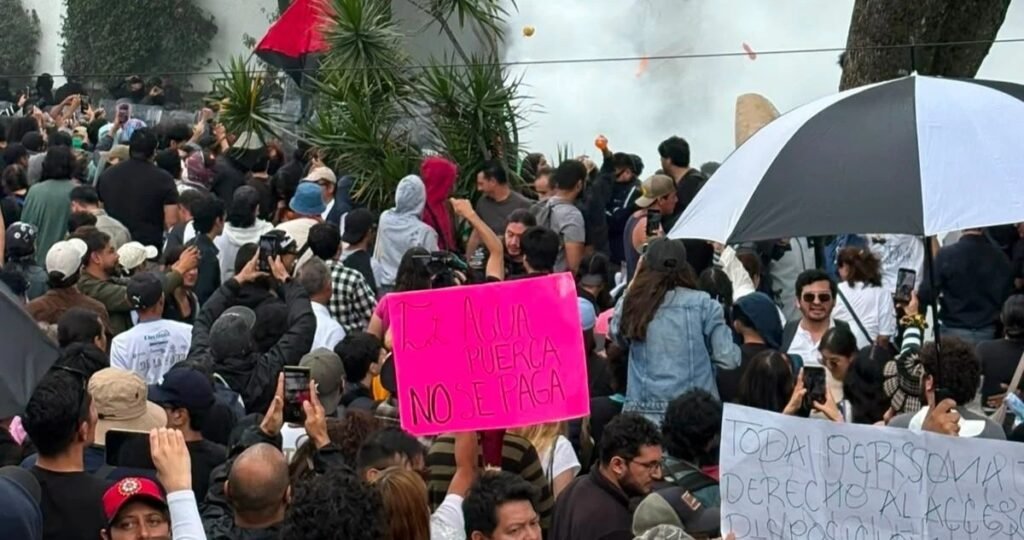
Thousands Demand Clean Water in Jalisco and Lemus Uses It to Repress Them
In Jalisco, governed by the opposition party Movimiento Ciudadano, police met the march with water cannons and tear gas, and protesters reported arrests and two people disappeared.
-
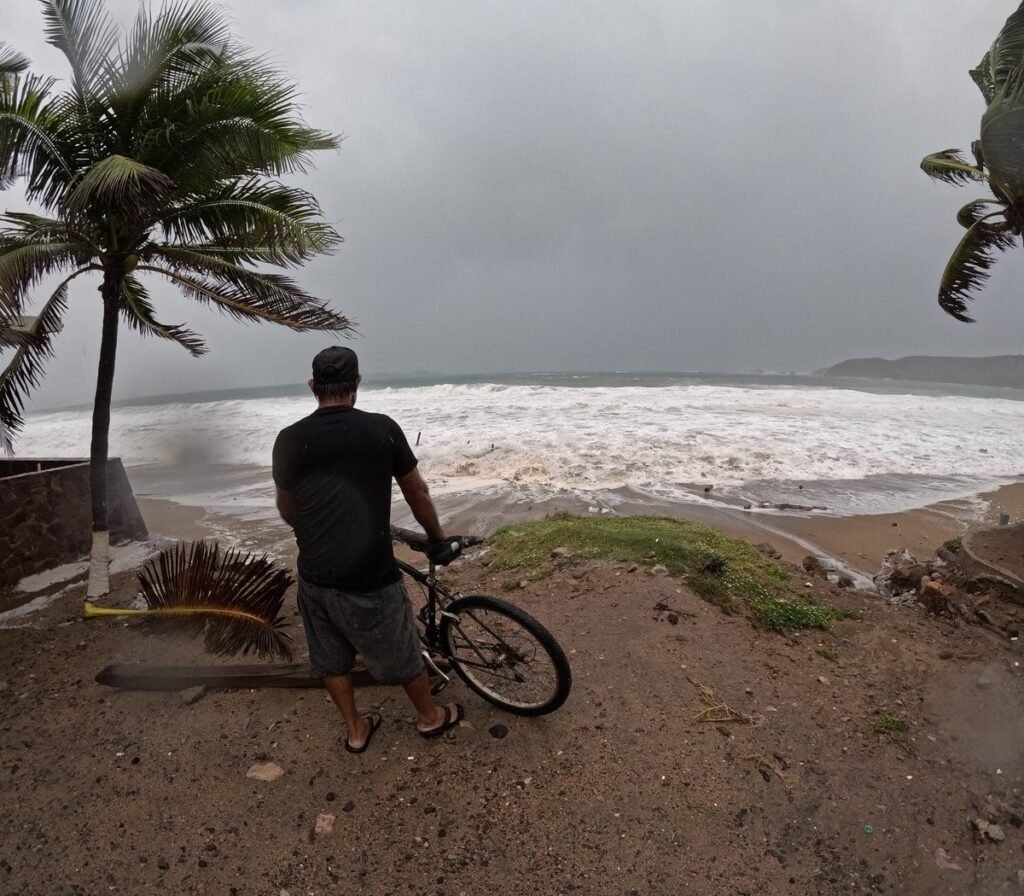
Hurricane Simon Paralyzes Towns and Highways in Jalisco Amid Forecast That It Will Make Landfall
With an erratic path, the Category 4 storm keeps the coast shut in under nonstop rain, though no casualties have been reported so far.
-
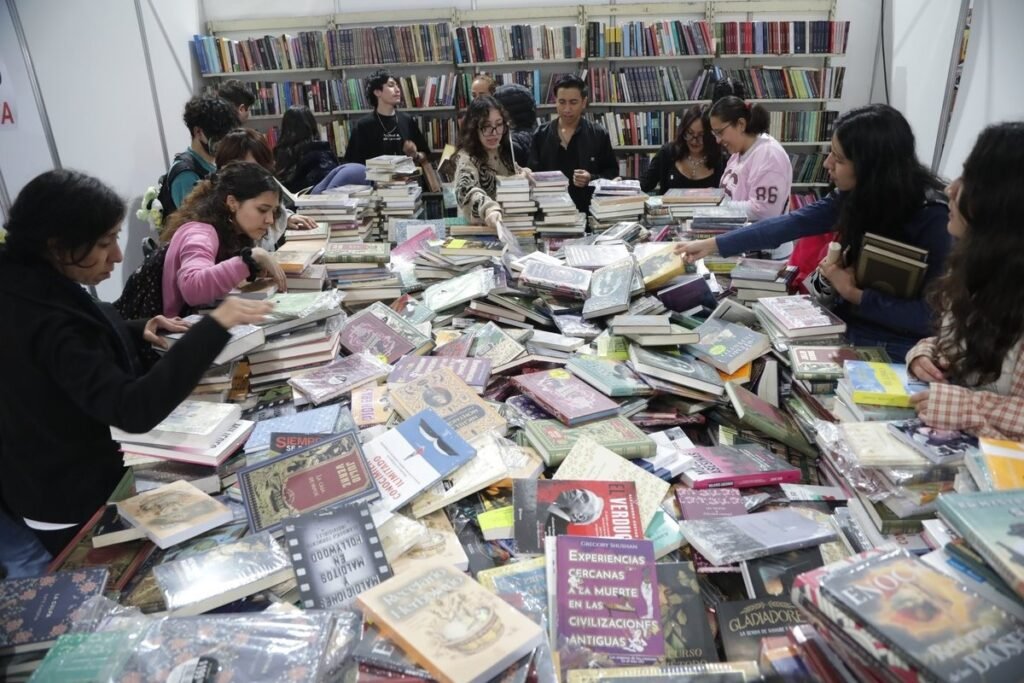
Mexican Book Fairs
“Book fairs in Mexico are among the great gatherings that speak of how a people nourishes itself on books,” observes Poniatowska.