Major Chinese Archaeological Exhibitions Could Come to Mexico as a Heritage Exchange
This article by Arturo Sánchez and Alonso Urrutia originally appeared in the August 21, 2026 edition of La Jornada, Mexico’s premier left-wing daily newspaper.
Mexico City. Mexico and China are holding talks for major Chinese archaeological exhibitions to come to Mexican territory, as part of a heritage exchange that has so far taken Mexican pieces to three exhibitions in Chinese cities, the director general of the National Institute of Anthropology and History (INAH), Joel Omar Vázquez Herrera, reported this Friday at the morning press conference at the National Palace.
Vázquez Herrera detailed that the three Mexican archaeological exhibitions held in China since 2024 have together drawn nearly 2.9 million visitors. The first, called Ancient Mesoamerica, Nature and Art, was presented in Beijing during 2026 and registered an attendance of 200,000 visitors, the official noted.
The second, titled Ceiba and Cosmos, dedicated to the Maya people, was exhibited in three Chinese cities between 2025 and 2026, with 1.5 million visitors, the largest attendance among the three shows.
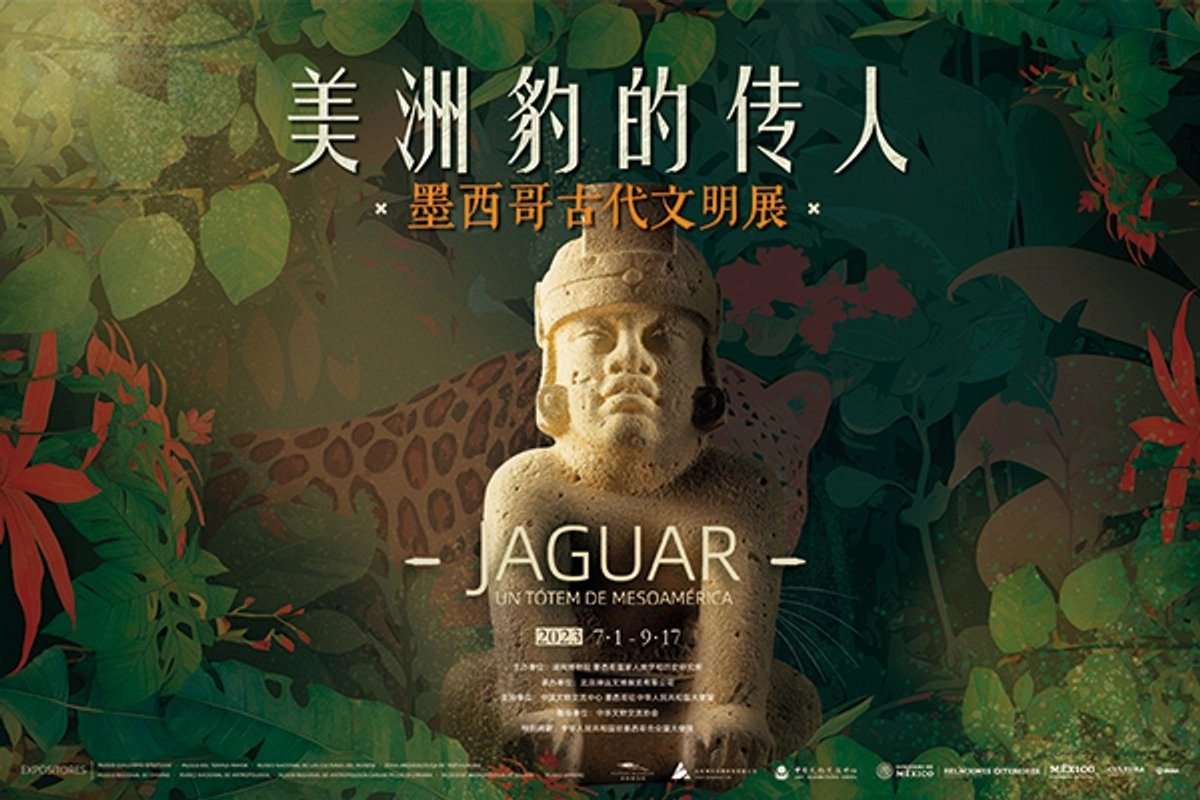
The third, The Jaguar, Totem of Mesoamerica, also hosted in those three Chinese cities, corresponded to 2024 and drew 1.2 million visitors.
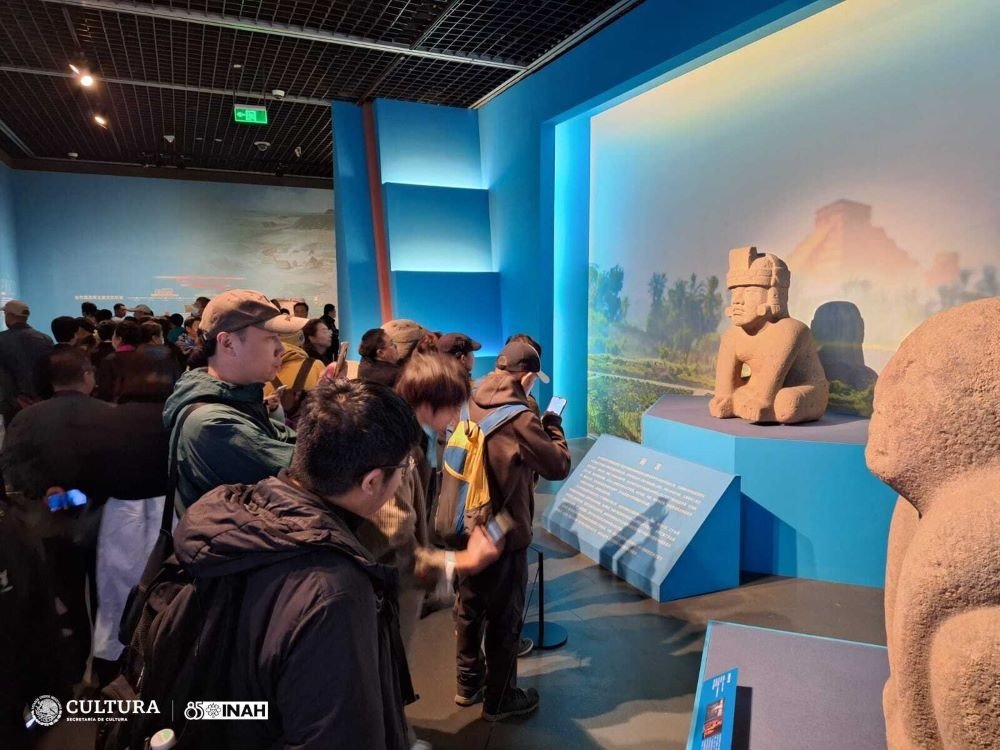
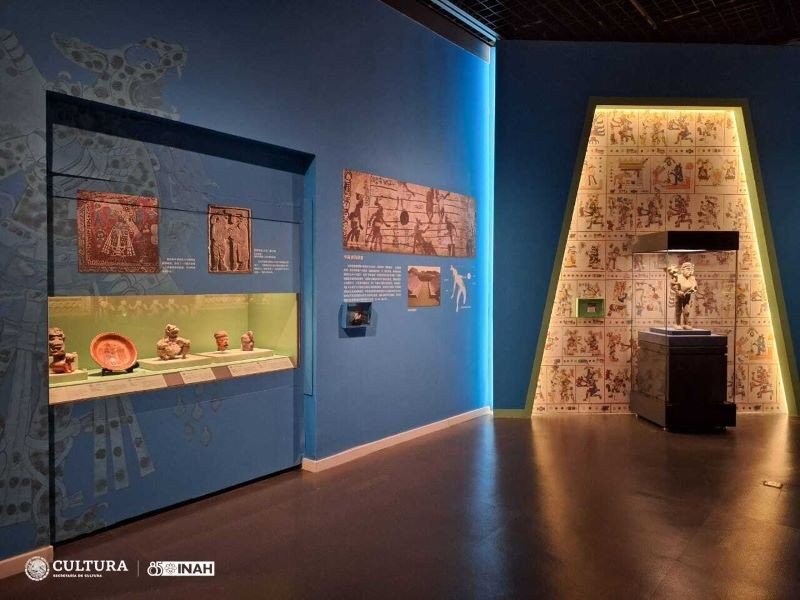
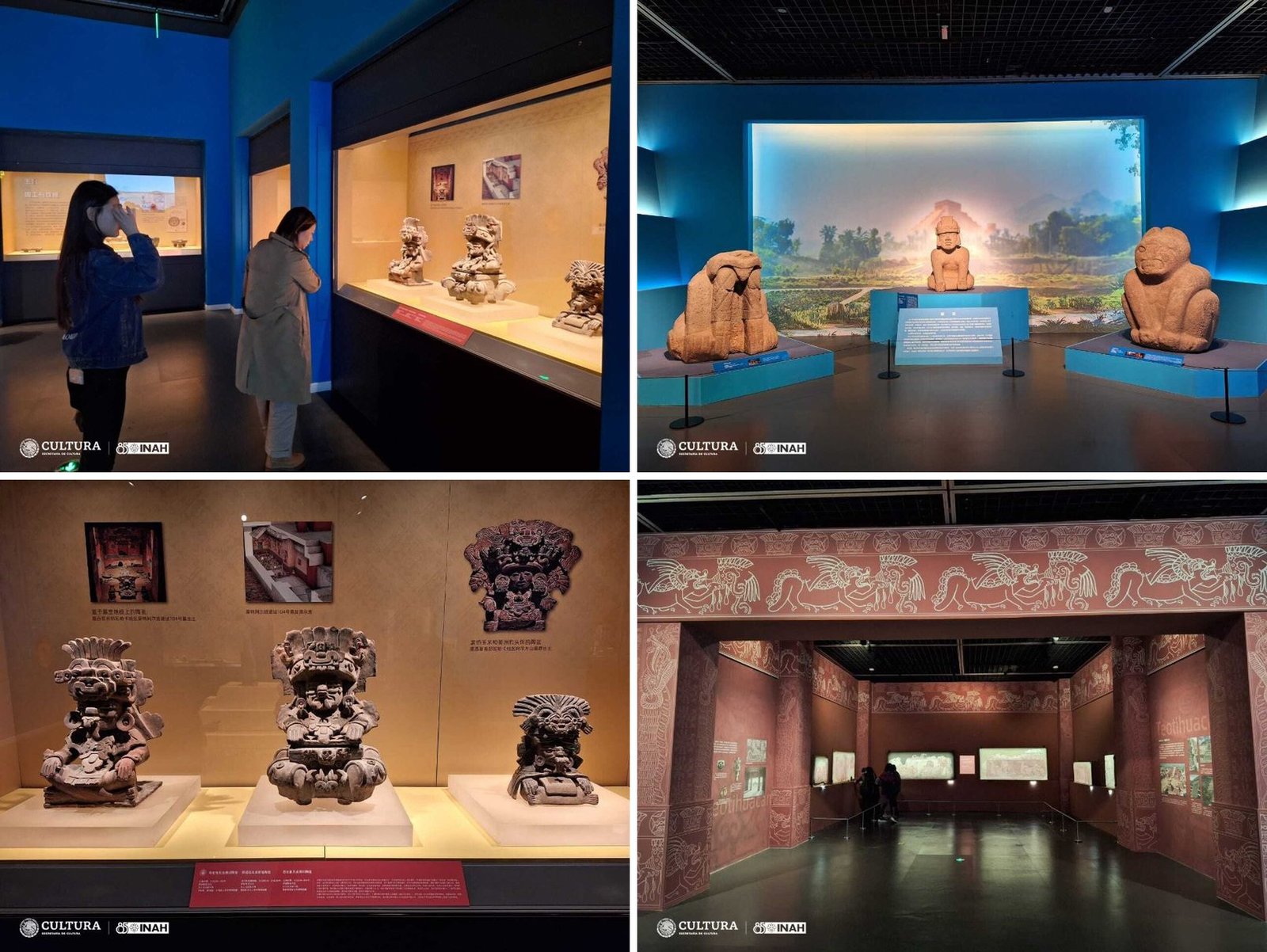
The INAH director added that the exhibition Sacred Spaces is currently on display at the Shanghai Museum, inaugurated on July 8, which has registered 300,000 visitors so far in August 2026 and will remain open until November 2027.
The show brings together 804 pieces from the Olmec, Teotihuacan, Maya and Mexica cultures: 745 come from INAH’s collections, 46 from the Archaeological Museum of Xalapa, in Veracruz, and 13 from the Amparo Museum, in Puebla.
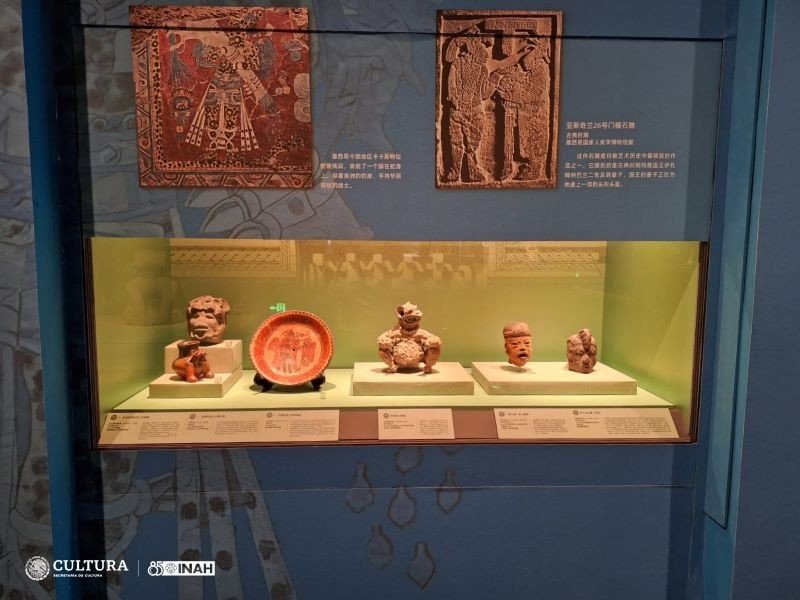
Among the pieces sent to Shanghai, Vázquez Herrera mentioned the Mexica sculpture of Mictlantecuhtli, found in 1994 in the House of the Eagles at the Templo Mayor, made of clay with the fleshless face of the deity; the Lord of Las Limas, an Olmec carving in green stone located in the 1960s in the municipality of Jesús Carranza, Veracruz; the funerary trousseau of Pakal the Great, found in 1952 in the Temple of the Inscriptions at Palenque, Chiapas, made of jade and comprising a death mask, ceremonial belt, necklace and pectoral; and a Teotihuacan sculpture of a founding ancestor, in green stone, dated between the years 200 and 250 AD, located in 2014 in the tunnel beneath the Temple of the Feathered Serpent, in Teotihuacan.
The official described the exchange with China as “a strategy of diplomatic, cultural relations that allows us to share, above all in this case with another millenary culture like China’s, heritage exchanges that will allow us, above all, to show the great richness of Mexico abroad, in this case in China.” He specified that, in parallel, “we are in talks for grand exhibitions from China to come to national territory.”
Vázquez Herrera indicated that, adding the three exhibitions in China to two others already concluded in Spain and France, plus the current show in Shanghai, the total number of visitors to Mexican archaeological exhibitions abroad rises to 3.8 million.
-
Mexican Governor Maru Hands Out Gifts and Rivers of Public Money to Media and Famous Journalists From Mexico City
Ties from Pineda Covalín, 5,000 tamales and 1.5 million pesos for Adela Micha: Chihuahua’s PAN governments have spent billions polishing their image.
-
Jáuregui, Maru Campos’s Former Prosecutor, Is Ordered to Stand Trial for Treason Against Mexico
After 80 years without a similar case, a judge ordered the trial on more than 150 pieces of evidence presented by the Attorney General’s Office.
-
Mexico Meets Minimum Annual Water Delivery to the US Despite Extreme Drought
Washington’s Agriculture Secretary confirmed the 350,000 acre-feet, but pressed Mexico to keep delivering and repay the “water debt owed to Texas farmers”.