Mexico Grants Official Protection to Pulque from Tlaxcala
This article by Giselle Soriano originally appeared in the February 24, 2026 edition of Milenio.
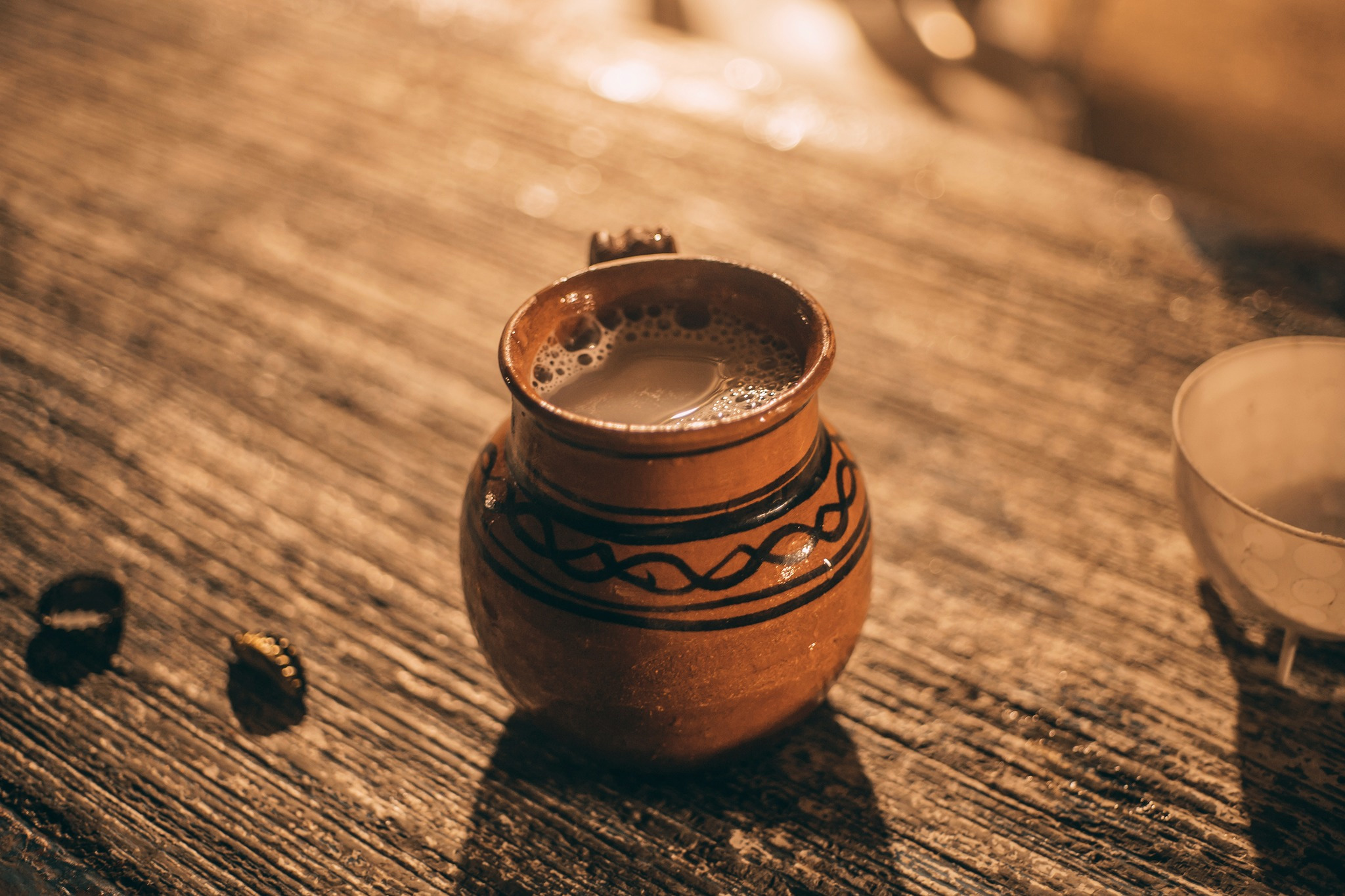
The Ministry of Economy (SE), through the Mexican Institute of Intellectual Property (IMPI), granted the declaration of protection to the geographical indication for Pulque de Tlaxcala.
Through a publication in the Official Gazette of the Federation (DOF), it was established that the declaration of this product will come into effect on February 25.
The decentralized public body delimited 25 municipalities in the state of Tlaxcala as a protected geographical area: Atltzayanca, Apizaco, Atlangatepec, Calpulalpan, Chiautempan, Contla de Juan Cuamatzi, Españita, Huamantla, Hueyotlipan, Ixtacuixtla de Mariano Matamoros, Muñoz de Domingo Arenas, Nanacamilpa de Mariano Arista, Panotla, San José Teacalco, Sanctorum of Lázaro Cárdenas, Teolocholco, Terrenate, Tetla de la Solidaridad, Tlaxcala, Tlaxco, Tocatlán, Tzompantepec, Xaloztoc, Xaltocan and Yauhquemehcan.
This is in order to identify an alcoholic beverage of pre-Hispanic origin that is obtained from the heart of the maguey leaves and is made from the fermentation of the mucilage, popularly known as aguamiel.
“It is obtained through the fermentation process of the aguamiel that is extracted from the pulque maguey, also known as Agave salmiana, a succulent plant that has 136 species, 26 subspecies, 29 varieties and 7 forms of magueys.”
“The pulque produced in Tlaxcala is characterized by a consistency of a subtly higher viscosity, attributed mainly to the synthesis of dextrins by strains of Leuconostoc spp. during fermentation, which gives it that dense body that is appreciated when the drink is shaken,” the document reads.
Furthermore, it specifies that the specific characteristics of Pulque from Tlaxcala are essentially attributable to its geographical origin, which includes natural factors, such as the local varieties of maguey, the climate and soils of the Tlaxcalan Highlands, as well as “human factors represented in the ancestral knowledge transmitted from generation to generation by the tlachiqueros.”
It also stipulates that only producers established in these municipalities and who comply with the rules of use may use the name Pulque de Tlaxcala.
Regarding its marketing, the document detailed that it is sold directly by authorized producers, in traditional pulquerías, local markets, fairs and through regional distribution channels.
“Prices may vary depending on the product presentation and volume,” he pointed out. Furthermore, the IMPI highlighted that the validity of the protection of the geographical indication will be indefinite, or until the institute issues another declaration in this regard.
The Institute explained that it is enough to meet just one criterion attributable to geographic origin for the area to be considered protected.
In this regard, he emphasized that the geographical indication must include natural as well as human factors that give specific characteristics to the product.
Meanwhile, it was emphasized that the Mexican Institute of Industrial Property will carry out the necessary procedures for the international recognition of this geographical indication, in accordance with the treaties and trade agreements signed by Mexico.
-
SITUAM, A Renewed Actor in the University
The Metropolitan Autonomous University’s faculty and staff union has broadened the base of democratic decision-making in an institution where unilateral decisions abound.
-
People’s Mañanera March 17
President Sheinbaum’s daily press conference, with comments on electoral reform, healthcare routes, security & arms-trafficking, and Cuba solidarity.
-
Cuba: A Paradigm in Health, Despite the Blockade
Cuba’s achievements are noteworthy despite an economic blockade from the US that has lasted more than 65 years, writes Martí Batres.