Mexico Has Reduced Government Procedures by Almost 50%
This article by Alonso Urrutia and Emir Olivares originally appeared in the September 24, 2026 edition of La Jornada, Mexico’s premier left wing daily newspaper.
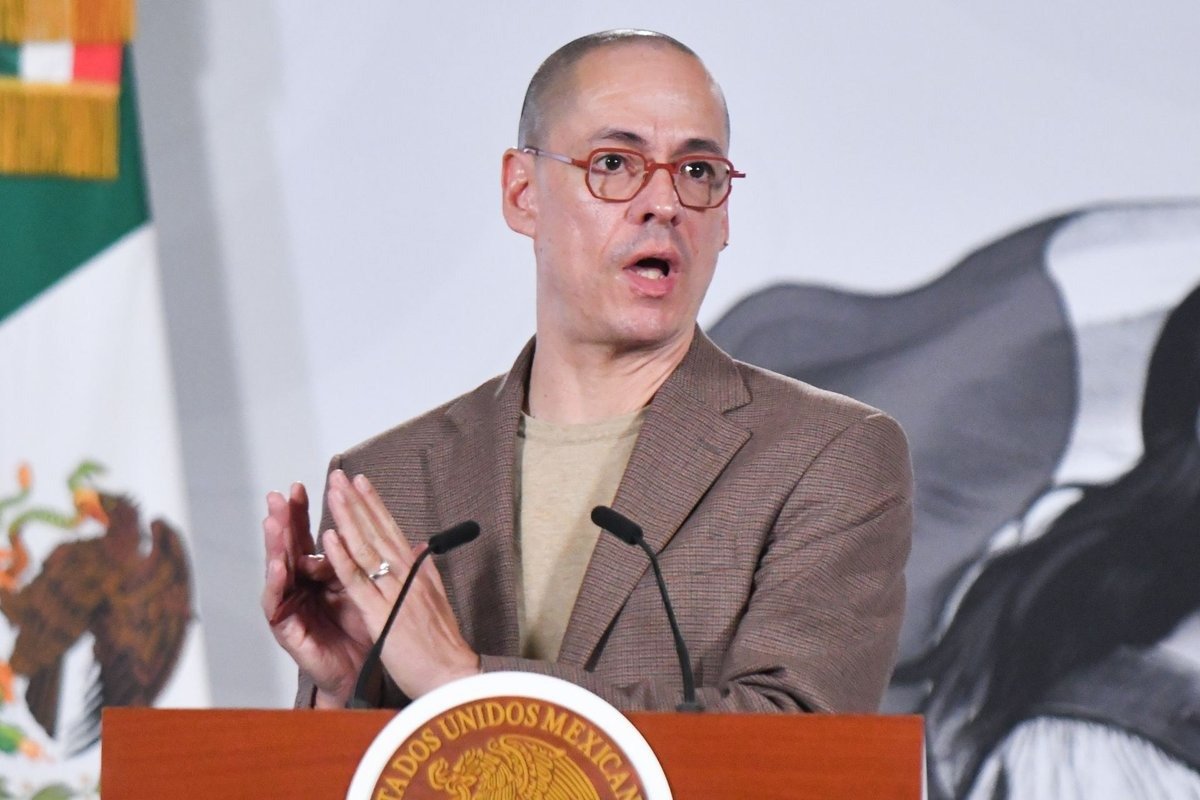
Mexico City. Presenting the report on progress in the digitalization and simplification of government procedures, José Antonio Peña Merino, director of the Digital Transformation Agency, said that government red tape has been sharply reduced, since when the administration began 4,000 procedures were identified, but 1,947 have been eliminated, that is, almost half.
During the presidential press conference, he asserted that the average number of requirements to carry out these procedures went from six to two, and the times to resolve a request were reduced from 44 to 2. He highlighted that one of the changes that has had the greatest impact is the one related to civil registry certificates, since requests, changes, or any other procedure can now be carried out from anywhere in the country or the world, regardless of where the certificate was issued.
In addition, the procedures for obtaining a passport were reduced from 21 to five, and the requirements to obtain one from six to three. Likewise, obtaining this document at Mexico’s consulates has been streamlined and made easier.
He noted that some 30 million people now have an account on the platform, which has had 363 million logins to carry out some 266 procedures, including applying for scholarships.
-
Mexico Does Not Have the Capacity to Confront the Cartels, Trump Says
Speaking at the White House, Trump claimed without evidence that cartels control Mexico and warned they have a deadline to “basically surrender.”
-
Mexico’s Secretary of Governance Announces Group of Experts Will Analyze National Registry of the Disappeared
Backed by the UN human rights office, Mexican and U.S. scientists will audit the registry, while 16,003 people reported missing have been located.
-
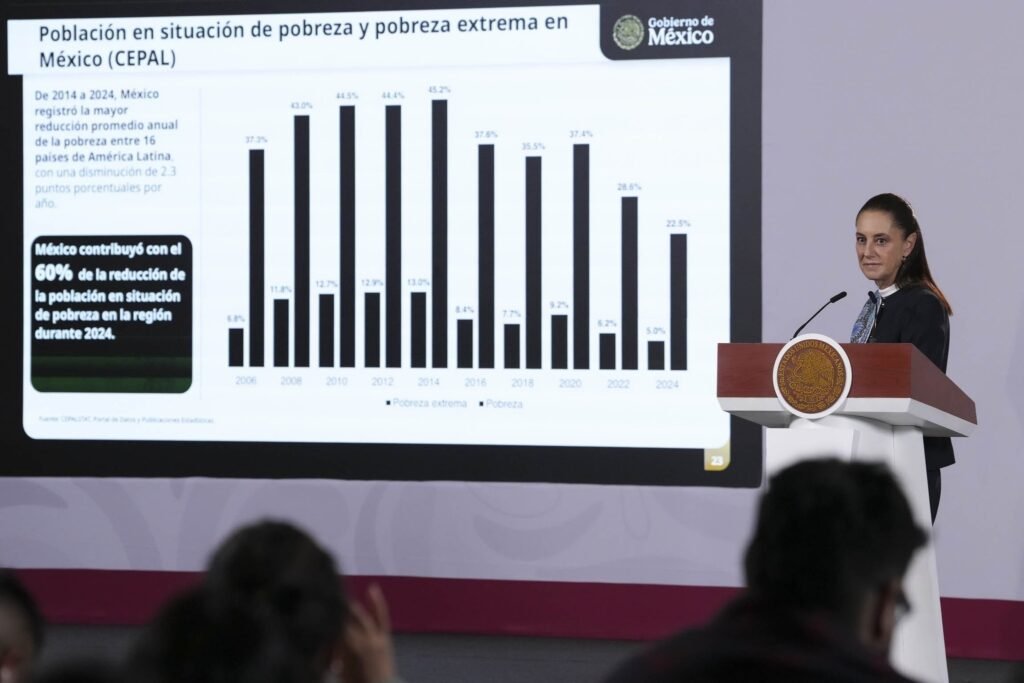
People’s Mañanera October 15
President Sheinbaum’s daily press conference, with comments on economic growth, neoliberalism, tourism, and Jalisco.