Mexico Resumes Cattle Exports to the US After More Than a Year of Suspension over Screwworm
This article by José Shaddai Olvera Torres originally appeared in the August 24, 2026 edition of El Chamuco y los Hijos del Averno, a Mexican satirical and news outlet.
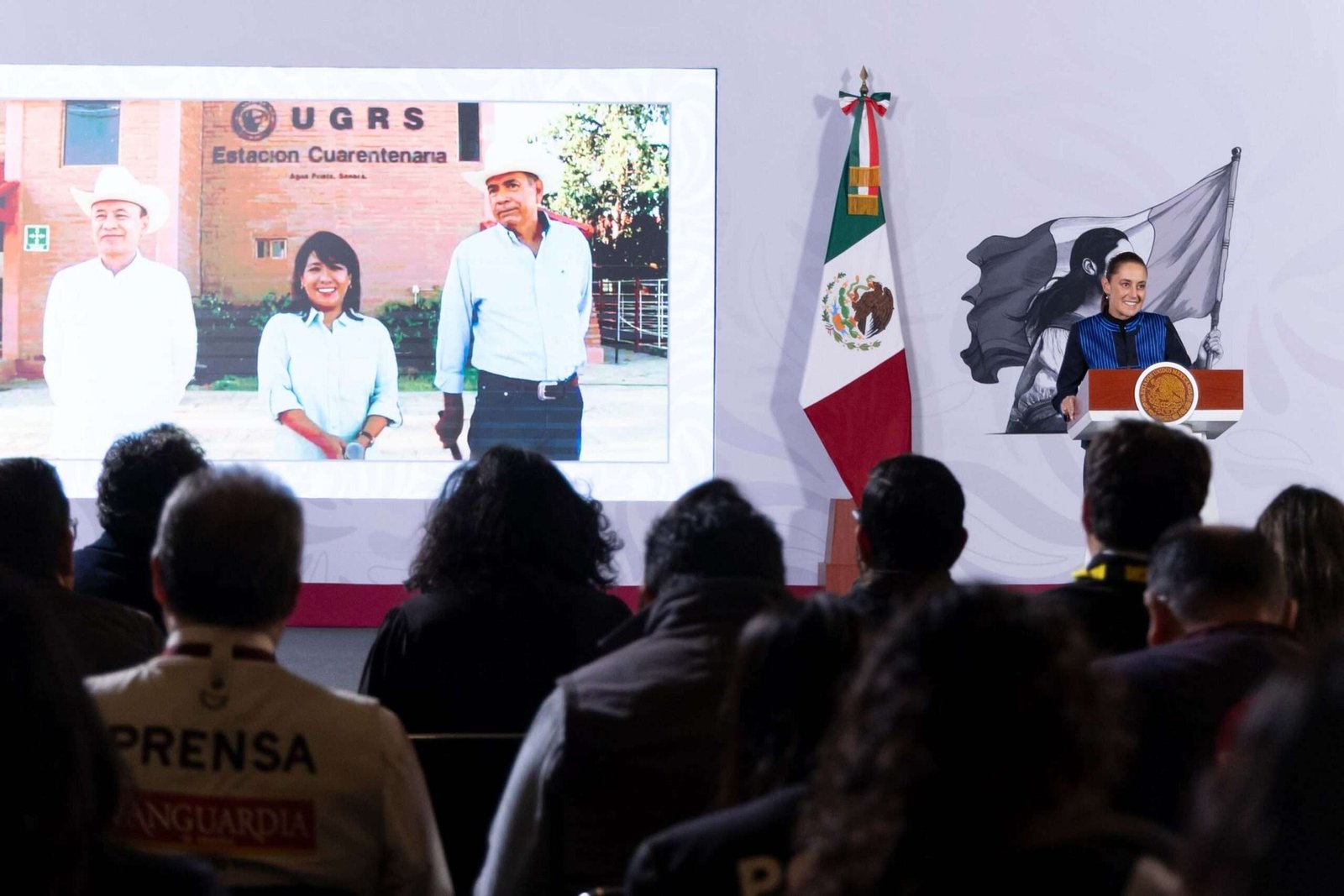
After more than a year of suspension, Mexico resumed cattle exports to the United States this Monday, with Agua Prieta, Sonora, as the first border point to restart operations, following the restrictions imposed by the presence of the screwworm.
From Sonora, the Secretary of Agrarian and Rural Development, Columba López, stressed that the reopening was the result of a lengthy process of sanitary work and coordination between the authorities of Mexico and the United States, as well as producers and other members of the cattle chain.
The official noted that the goal was to establish conditions that would offer sanitary guarantees to recover exports and prevent the pest from once again affecting trade between the two countries.
Post by @El_Chamuco on X
Screwworm Fight Reinforced
With the reopening of the border, the Mexican government announced that it will intensify actions to contain the spread of the screwworm.
Among the main measures is the increase in the dispersal of sterile flies, one of the tools used to interrupt the pest’s reproductive cycle.
The actions will be reinforced initially in Sonora and Chihuahua, the state that is expected to be the second to resume cattle exports to the United States.
The strategy seeks to prevent the commercial reopening from becoming a new sanitary risk and to guarantee that the cattle entering US territory meet the conditions required by the neighboring country’s authorities.
Sonora Will Build a Livestock Inspection Center
The governor of Sonora, Alfonso Durazo, reported that his administration is working on the construction of a Comprehensive Livestock Inspection Center in Hermosillo, with the aim of strengthening sanitary controls before the animals reach the border.
According to the governor, this infrastructure will make it possible to expand operating and export capacity in Agua Prieta, in addition to reinforcing surveillance of the cattle throughout the process.
Durazo maintained that the project is advancing on schedule and will provide greater sanitary guarantees, from the inspection of the animals to their handover to the US authorities.
Reopening Brings Relief to Ranchers
The reopening represents a relief for the Mexican cattle sector, which for more than a year faced the economic consequences of the border closure.
However, it also represents a new challenge for the authorities and producers: keeping the screwworm under control to prevent a new health alert from triggering the closure of one of the main markets for Mexican cattle.
For that reason, the reopening of the border does not mean the sanitary problem has been completely overcome. The challenge now will be to sustain the controls, expand surveillance, and guarantee that trade can be maintained without putting animal health at risk.
-
Mexican Governor Maru Hands Out Gifts and Rivers of Public Money to Media and Famous Journalists From Mexico City
Ties from Pineda Covalín, 5,000 tamales and 1.5 million pesos for Adela Micha: Chihuahua’s PAN governments have spent billions polishing their image.
-
Jáuregui, Maru Campos’s Former Prosecutor, Is Ordered to Stand Trial for Treason Against Mexico
After 80 years without a similar case, a judge ordered the trial on more than 150 pieces of evidence presented by the Attorney General’s Office.
-
Mexico Meets Minimum Annual Water Delivery to the US Despite Extreme Drought
Washington’s Agriculture Secretary confirmed the 350,000 acre-feet, but pressed Mexico to keep delivering and repay the “water debt owed to Texas farmers”.