Mexico & Venezuela: The Other Ties
This article by Jaime Ortega originally appeared in the January 8, 2026 edition of La Jornada, Mexico’s premier left wing daily newspaper.
The bond between nations is not limited to formal exchanges between institutions. Rather, it takes on cultural, literary, political, and even culinary forms. The relationship between Mexico and Venezuela is no exception, and its history beyond the borders of individual states is only now beginning to be explored.
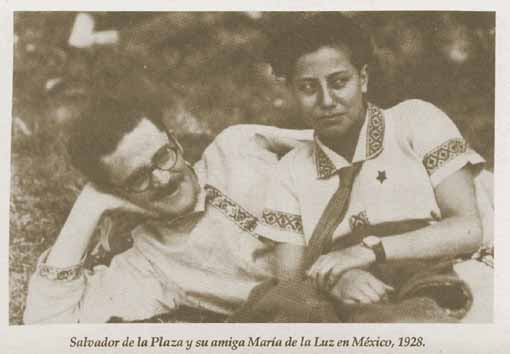
Not long ago, in his book Ningún revolucionario es extranjero (No Revolutionary Is a Foreigner), the researcher Sebastián Rivera Mira evoked the figure of Salvador de la Plaza, a Venezuelan militant who passed through Mexico on several occasions and who, at one time, founded, along with others, the Venezuelan Revolutionary Party, of anti-imperialist and Marxist inspiration, which designed and coordinated actions of opposition to the dictatorship of Juan Vicente Gómez.
The presence of other activists associated with the PRV was felt in efforts such as the Anti-Imperialist League of the Americas, whose publication adopted the Venezuelan name El Libertador, but also in the Hands Off Nicaragua initiative at the beginning of Sandino’s struggle.
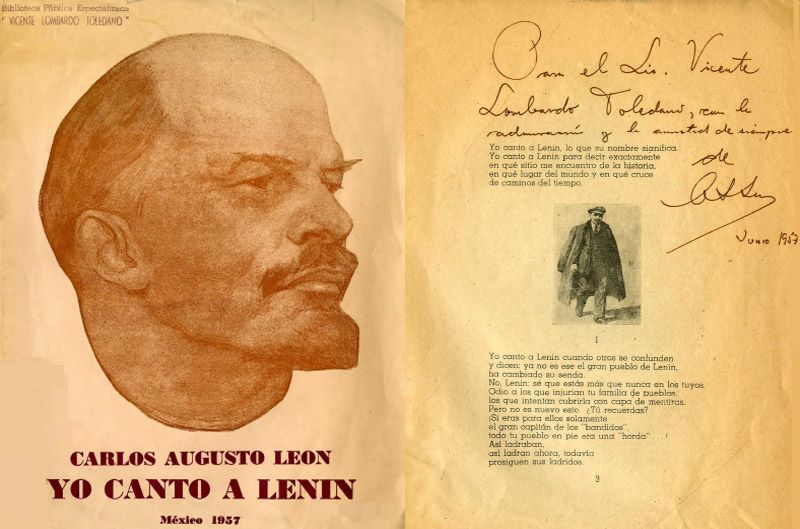
Special mention should be made of the participation of Carlos Augusto León, a Venezuelan poet who actively participated in the Society of Friends of the USSR, which in the mid-1930s advocated for the Mexican Revolution to re-establish relations with the USSR and promoted various campaigns of solidarity, both symbolic and material, in the face of the global conflict. Augusto León’s poetic work was published, among others, by the Morelos publishing house of the SAURSS under the title Los pasos vivientes (The Living Steps). Also during those years, he was an active member of the Mexican section of the International Red Aid, notably participating in rallies honoring Julio Antonio Mella. Years later, with a dedication to the people of Guatemala and with quotes from Mao as an epigraph, his Verso ante el mural de La gloriosa victoria was published in La Voz de México (organ of the Communist Party of Mexico), and in 1957, Mexico would be the place of publication of his Yo canto a Lenin.
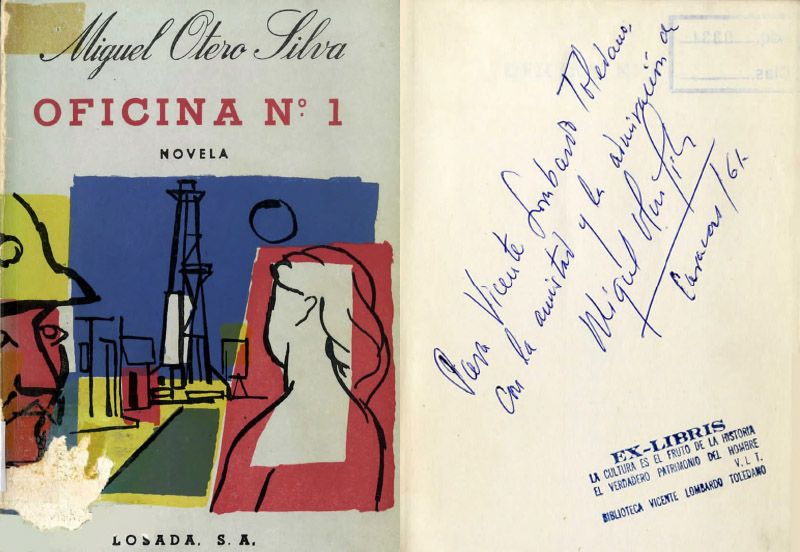
Along similar lines, another little-known exile with a brief stay was Miguel Otero Silva, an important leftist writer whose Canción de Otero Silva a García Lorca was published in El Machete (the legendary newspaper of Mexican communism). His prolific and relatively forgotten work (at least outside of Venezuela) includes a lecture entitled “Mexico and the Mexican Revolution: A Venezuelan Writer in the Soviet Union (1966),” a speech dedicated to Mariano Picón Salas (a friend of Alfonso Reyes and Venezuelan ambassador to Mexico), in which he outlines the course and importance of the Mexican Revolution, its popular leaders, and its main reforms, highlighting Cárdenas’s policies regarding oil.
Another figure about whom little is known regarding his time in Mexico is the important historian Germán Carrera Damas. An intellectual with a prolific body of work, he came from an educated family with significant ties to Venezuelan communism. His membership card for the Mexican Communist Party (PCM), dating from his time as a student at the National School of Economics, is preserved at the Center for Studies of the Workers & Socialist Movement (CEMOS). His master’s thesis in history was titled “Contribution to the Study of Interventionist Thought in 19th-Century Mexico.” Mexico was also the site of publication of his “The Renewal of Historical Studies: The Case of Venezuela.” After his stay in Mexico, Carrera Damas is considered to have sparked a true revolution in the discipline in his country.
While the Cuban Revolution absorbed much of the ties that revolutionary or Marxist militants had previously maintained with Mexico, progressive figures found in our country a space to develop or disseminate their ideas. Thus, in the 1970s and 1980s, under the auspices of Alonso Aguilar Monteverde and the publishing house Nuestro Tiempo, several Venezuelan intellectuals visited Mexico (especially the Development Theory Seminar at the Institute of Economic Research) or had their work published there. This academic group actively participated in symposia on the theory of imperialism and underdevelopment. Figures such as Faustino Maza Zavala, Héctor Malave Mata, Armando Córdova, and José Agustín Silva Michelena were particularly productive. Books such as Venezuela, Growth Without Development and Venezuela, Domination and Dissent were published by Nuestro Tiempo in Mexico City. In the prologue to some of these books, Alonso Aguilar stated: “The study of the Venezuelan process reveals an understandable preoccupation with oil.”
Furthermore, Silva Michelena’s brother, the philosopher and poet Ludovico Silva, achieved publishing success when his books Theory and Practice of Ideology and especially Marx’s Literary Style were published by Mexican publishing houses. Silva is perhaps today the Latin American Marxist most frequently cited by the closed and provincial intellectual circles of the “global north.”
These glimpses barely hint at some of the paths of persistent, though often fragmented, connections. The life of communities shows that gestures of genuine solidarity also involve getting to know a little more about those about whom we speak and opine ad nauseam.
-
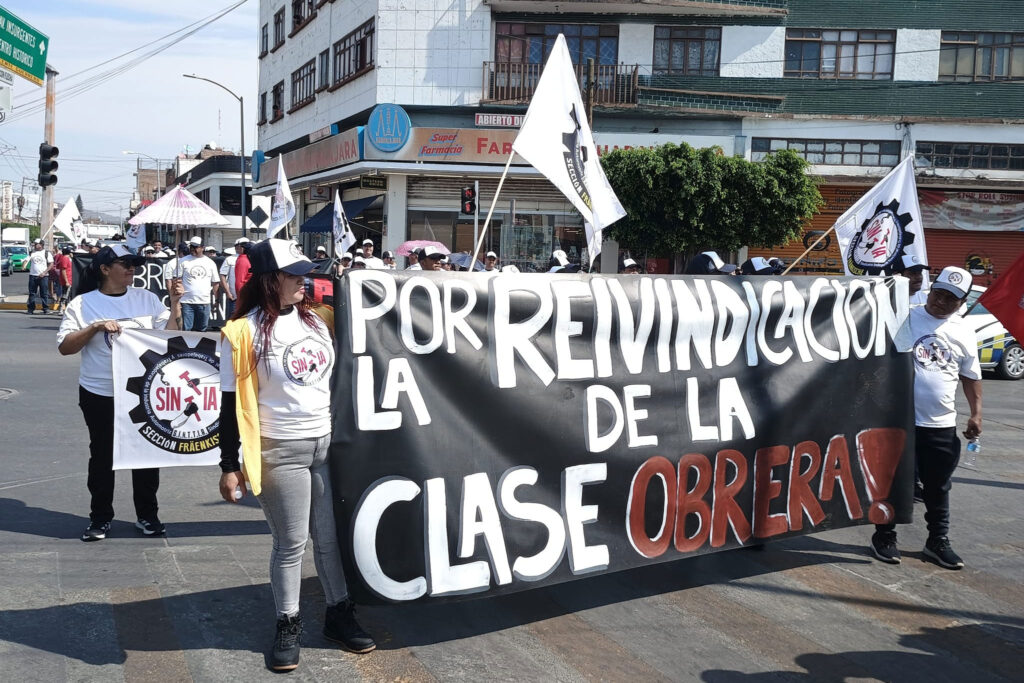
SINTTIA Denounces Fraenkische for Collective Bargaining Violations
Workers detected excessive payroll deductions and anomalies in the savings fund at the German company.
-
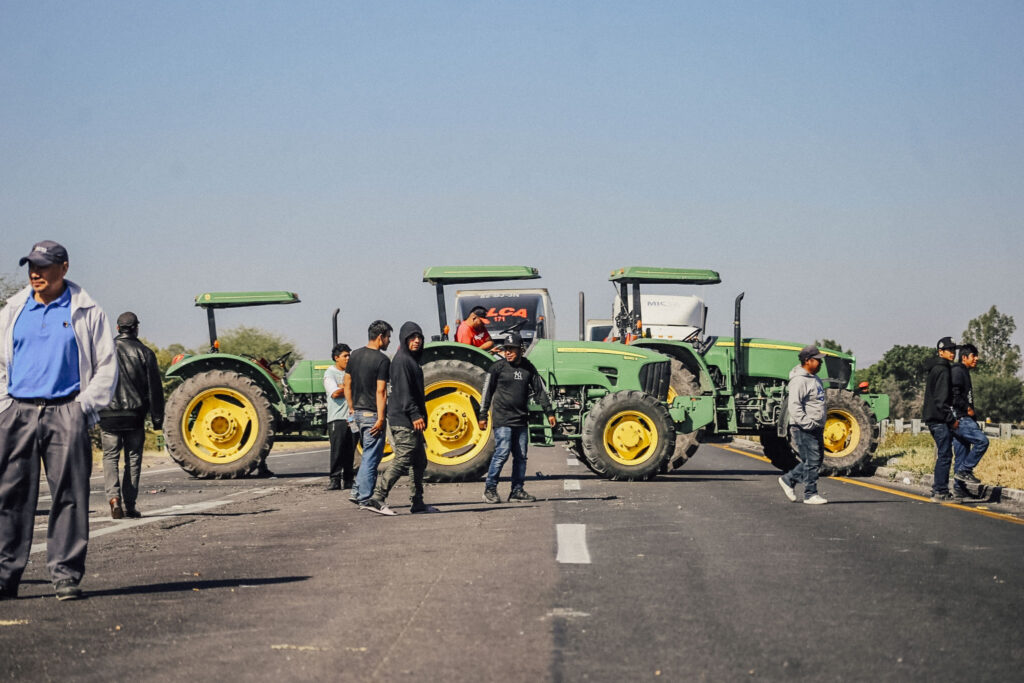
April 6th Transport & Farmers Strike Will Go Ahead
The National Front for the Rescue of the Mexican Countryside said although there is communication with federal authorities, “dialogue does not resolve anything if there are no decisive actions.”
-
Mexico Requires a Deterrence Strategy
Mexico should continue to work at maintaining a positive relationship with our closest neighbor and number one trading partner. But acting like Trump isn’t capable of unilateral military action against us is foolish.