Mexico’s Afro-Descendant Communities Fight Racism & Inequality
This article by Darylh Rodriguez originally appeared in the January 4, 2026 edition of Revista Contralínea.
The inequalities faced by Afro-Mexican peoples – in economic, political, educational, cultural and health matters – have deep roots in slavery, invisibility and social exclusion; which, to this day, have marked their development.
Added to this is the logic of so-called “multicultural neoliberalism,” which increased the gaps of inequality by capitalizing on their culture as a commodity and reducing their recognition to a merely symbolic level, without guaranteeing effective rights in education, health, political representation or access to justice, says J Jesús María Serno, PhD in Latin American studies from the National Autonomous University of Mexico (UNAM) and specialist in ethnicities, culture and nation in Latin America.
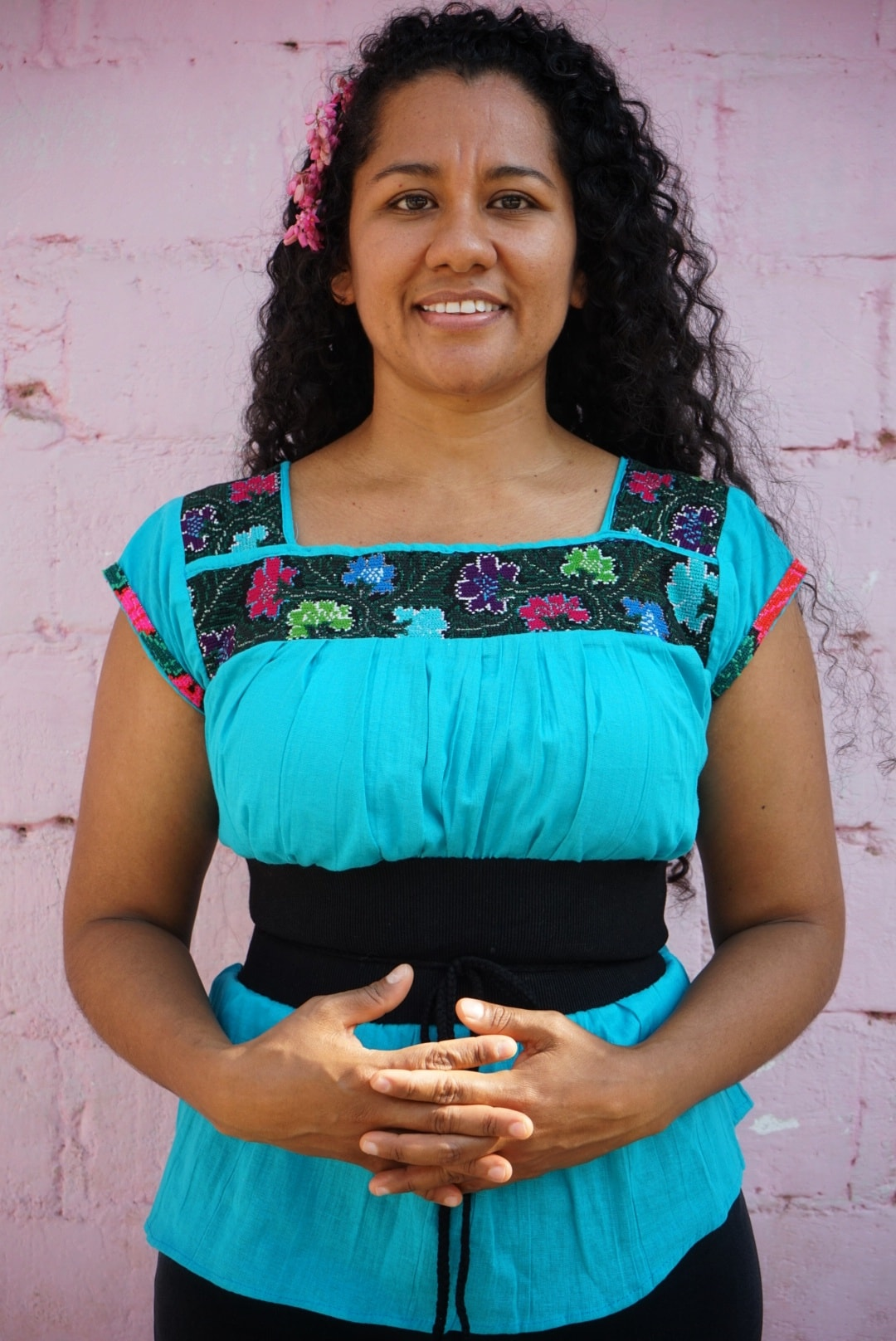
“Yes. There is something that we Afro-Mexican people face collectively, and that is invisibility. It is the invisibility of our contributions to the construction of this country,” warns poet Aleida Violeta Vázquez, activist and member of the Colectiva de Mujeres Afromexicanas en Movimiento (MUAFRO).
In an interview with this publication, the writer points out that the invisibility faced by Afro-Mexican people for generations is the primary trigger for their inequality, stigmatization, and racism. She explains that this invisibility has not only denied the existence of their bodies but has also erased the contribution of their worldviews to the construction of the Mexican state.
“There is a stigma that relegates us to places where we Black women are ‘sexually available all the time’; where ‘we endure more during childbirth than a white, mixed-race, or even Indigenous person’; where ‘Black women and men endure more work.’ All these stereotypes impact our ability to exercise our rights. […] This leads to us being subjected to constant verbal, physical, emotional, mental, and psychological violence in the streets. There is also a violent, very violent, bombardment of our bodies, because these stereotypes also stem from this invisibility, which is linked to an idea of foreignness that places us in disadvantaged positions, where we are easily violated and murdered,” says Aleida Violeta Vázquez.
Among the main problems identified by Afro-Mexican communities are discrimination based on their appearance, lack of employment, a scarcity of social programs, and little respect for their traditions, customs, and practices, according to the National Survey on Discrimination (ENADIS), conducted in 2022 by the National Institute of Statistics and Geography (INEGI). The results of this survey show that, despite some legislative and institutional progress, Afro-Mexican people still face prejudice from society.
Data from the National Council to Prevent Discrimination (CONAPRED) indicates that almost a quarter of the Mexican population said they were not willing to rent an apartment with an Afro-descendant person, while one in four people would like little or not at all for someone from the Afro community to hold public office such as the Presidency of the Republic.
“The fight against racism has always been a political and ideological stance for the Black movement, because I think those of us who have experienced it the most are Afro-Mexicans, Black people, or people of African descent. And it has a lot to do with our skin color. That’s why our skin is always being challenged, always subjected to many stereotypes because this country is a racist country,” explains legislator Rosa María Castro Salinas, Secretary of the Commission on Indigenous and Afro-Mexican Peoples in the Chamber of Deputies, in an interview with Contralínea.
The racism experienced by Afro-Mexicans is not limited to social interactions; it permeates institutions and is reproduced in public spaces. The harm caused by racism goes far beyond that. According to the National Survey on Discrimination (ENADIS), conducted in 2022, more than half of Afro-Mexicans reported feeling discriminated against when visiting government offices, courts, or tribunals. The same perception was repeated when applying for jobs, seeking medical care, or entering schools and businesses.
According to writer Aleida Violeta Vázquez, the violence, inequality, and racism suffered by the Afro-Mexican community have historically been “territorialized”; that is, the territories where the Black or Afro-Mexican people live have always been among the poorest and most marginalized areas of the country.
“The Costa Chica region of Guerrero or Oaxaca are territories that are disconnected from the centrality of a city; that is, there is no road infrastructure, no electricity infrastructure, no access to communication because there is a very serious digital divide in these territories of ours,” the activist points out.
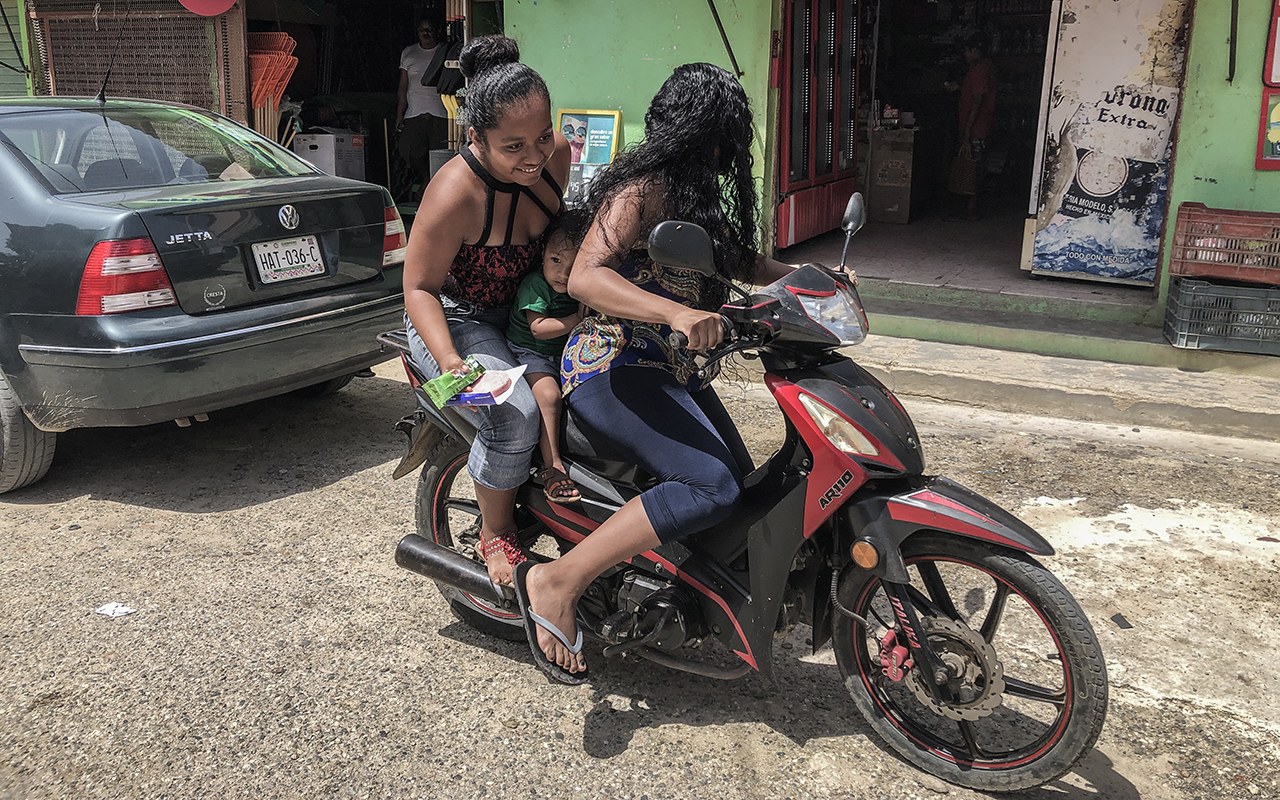
With this, the poet indicates that structural inequalities impact every aspect of the daily lives of Afro-descendant people, even attempting to strip them of their humanity. “We see how this racism, but also how these structural inequalities, permeate everything. They affect our entire existence, our entire way of life, our daily lives in our territories.”
This reality is reflected in official indicators. According to statistics from the now-defunct National Council for the Evaluation of Social Development Policy (CONEVAL), the areas with the highest concentration of poverty coincide with the territories where the country’s most vulnerable groups converge (children, adolescents, indigenous and Afro-Mexican peoples, agricultural day laborers, and rural communities).
Indigenous and Afro-Mexican peoples, the Poorest
In Mexico, Indigenous and Afro-Mexican communities are the poorest population groups. According to INEGI, in 2024, 29.6 percent of the Mexican population—equivalent to 38.5 million people—lived in multidimensional poverty. However, inequality was even more pronounced among Indigenous and Afro-Mexican communities.
According to the now-defunct autonomous agency, 32.2 percent of the Afro-Mexican population and 66.3 percent of the Indigenous population reported living in poverty. These figures demonstrate that both communities continue to suffer the devastating effects of a system marked by marginalization and racial, economic, and territorial exclusion.
In particular, the Afro-Mexican population, estimated at more than 3.1 million people, still faces structural disadvantages in the territories where they live, marked by poverty and exclusion.
Added to the inequalities faced by Afro-Mexicans is the logic of multicultural neoliberalism, which capitalizes on their culture as a commodity, reducing their recognition to a merely symbolic level, without guaranteeing effective rights.
This structural order, explains ethnic specialist J. Jesús María Serna, originates in a process called “Afro-Indianness”, a concept used to understand the historical relationship between Afro-descendant and indigenous peoples, which resulted in cultural, social and symbolic exchanges, and which placed them in shared conditions of marginalization.
According to the doctor in Latin American studies, this link produced a particular type of mestizaje –different from that commonly recognized in official discourse– that has been ignored by colonizing history, and whose consequences are visible today in territorial inequality, precarity and the scarcity of policies.
In 2024, Chiapas, Guerrero, and Oaxaca—two of the five states with the highest concentration of Afro-descendant populations—reached the highest percentages of multidimensional poverty levels, at 66, 58.1, and 51.6 percent, respectively. Similarly, these states registered the highest percentages of their population living in extreme poverty, at 27.1, 21.3, and 16.3 percent, according to data from INEGI (the Mexican National Institute of Statistics and Geography).
For the Colectiva de Mujeres Afromexicanas en Movimiento (MUAFRO), studying the regions with the largest Afro-Mexican populations not only allows for the geolocation of these communities but also helps to understand the territorialization of inequality. The organization points out that, historically, these areas have been the scene of structural racism, discrimination, and institutional invisibility, processes that have left a deep mark manifested in gaps in access to rights, infrastructure, and public services.
To demonstrate how inequality is territorialized, the collective conducted an analysis using data from the INEGI (National Institute of Statistics and Geography) in 2021 – which included variables related to access to basic rights, such as drinking water, as well as drainage and energy services – and found that access to piped water strongly reflects the structural gap faced by Afro-Mexican communities.
This is because, while at the national level 77.6 percent of homes have piped water, in municipalities where 40 percent of the population is Afro-Mexican, the number of households with access to this service drops to 24.1 percent.
The situation is even more critical in municipalities with over 70 percent Afro-descendant population, where only 13.2 percent of homes have access to this basic service. These figures demonstrate that inequality is reflected in infrastructure, quality of life, and the persistent institutional neglect by neoliberal governments.
The situation becomes even more significant when considering the geographical distribution of the Afro-descendant population. More than half, or 53.2 percent, are concentrated in six states: the State of Mexico with 19.2 percent; Guerrero, 11 percent; Nuevo León, 6.6 percent; Chiapas, 5.8 percent; Jalisco, 5.7 percent; and Oaxaca, with 4.9 percent. These states, for the most part, exhibit significant gaps in access to basic rights and services. This is according to the latest update from INEGI, presented on August 28, 2024.
Faced with this situation, Afro-Mexican communities are demanding historical justice. “What does the Black community need? Everything. We need everything,” says activist Rosa María Hernández Fitta, president of the Afro-Veracruz Council and advisor to the National Institute of Indigenous Peoples (INPI), in an interview with Contralínea.
The national advisor points out that the lack of public policies has perpetuated the precariousness of basic services, such as education, infrastructure, and access to cultural programs, and has also left them in economic hardship that has yet to be remedied. Therefore, she suggests developing programs tailored to each region inhabited by Black communities.
“When people ask us what the Black community needs, I say: everything, because we haven’t had absolutely anything. We need everything. We need access to programs to preserve our culture, services, education. For example, we need the history of our communities to be told in textbooks, so we are no longer made invisible. The Ministry of Education itself could tell the story of our forced migration, the migration of our ancestors, so the truth is told,” says Rosa María Hernández Fitta.
Black and Indigenous Communities, Victims of the Most Violence
The reality of Afro-descendant communities lies in their diasporic formation; that is, they do not share a homogeneous identity, but rather an experience resulting from the displacement, dispossession, and redefinition of their members. This trajectory could explain the multiple forms of violence they face in the country.
This, coupled with the historical invisibility suffered by Afro-Mexican people, has facilitated the systematic violation of their rights and freedoms. This situation has increased their vulnerability, perpetuated their exclusion, and fueled discriminatory practices that hinder their access to opportunities, basic services, and justice, warns the National Human Rights Commission.
Today, the Afro-Mexican community continues to be the target of racist expressions where imported stereotypes and prejudices intertwine. This discrimination is compounded by a structural vulnerability that exposes them to systematic violence perpetrated by various powerful groups associated with capital, ranging from transnational corporations with extractive projects to organized crime networks.
Dr. J. Jesús María Serno, a specialist in Latin American studies, tells this weekly magazine that in the regions where Afro-descendant peoples settled, there persist “especially complex and delicate” scenarios, marked by dispossession and territorial disputes by political and de facto powers.
“The areas where Afro-descendants live have been very complex in their way of life. Historically, there has been a situation of violence, which is not abstract violence, but violence against these peoples that comes from different power groups; obviously, these are diverse and range from large transnational corporations, capital in general, and businesspeople who have a lot of very predatory policies that go against the very life of the communities,” the expert explains.
Studies by international organizations – such as the UN Refugee Agency (UNHCR) – indicate that territorialized violence is one of the factors that triggers phenomena such as forced internal displacement, a process that is the result of high-impact victimizing events, such as armed conflicts, generalized violence, the presence of organized crime, territorial disputes or even projects that involve dispossession; which forces entire communities to abandon their places of origin.
And although internal displacement is not a new phenomenon in Mexico, its configuration has changed in recent decades; that is, from political and religious conflicts and land dispossession it has shifted to an increasing association with high-impact violence, linked to drug trafficking and organized crime, researchers María Cristina Díaz Pérez and Raúl Romo Viramontes point out in their book La violencia como causa de desplazamiento interno forzado: Aproximaciones a su análisis en México.
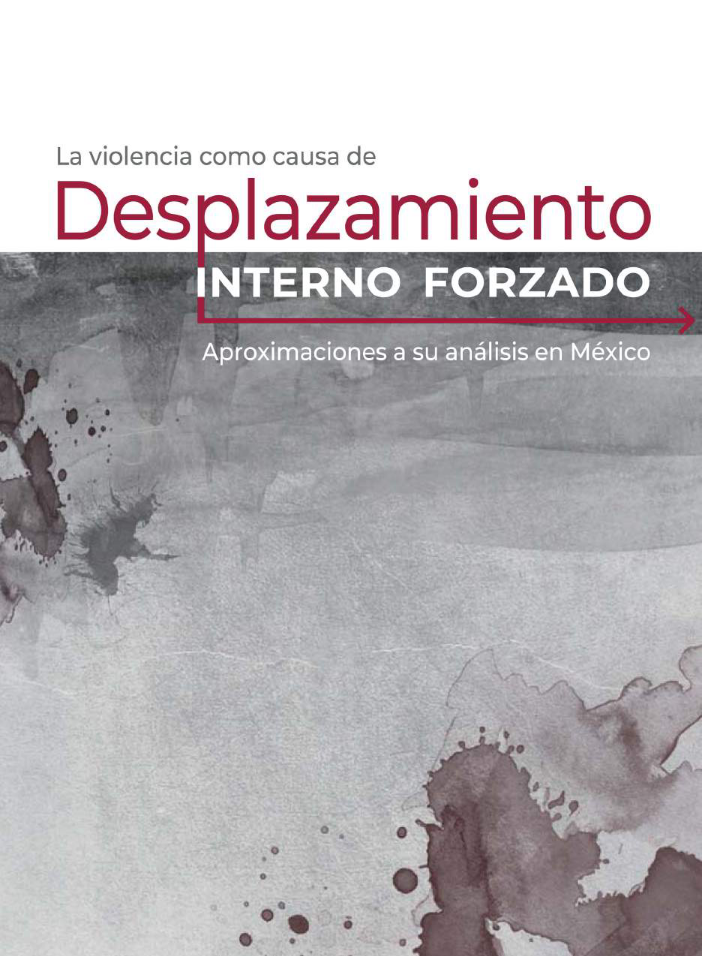
“Internal displacement caused by violence does not occur in the abstract, but rather from concrete events such as extortion, kidnapping, ‘protection’ payments, identity theft, assaults, the disappearance of family members, links created with criminality –voluntarily or involuntarily–, among many other situations,” the document by Díaz and Romo points out.
Both researchers indicate that forced internal displacement also manifests itself as a result of competition for the exploitation of natural resources, disasters, emergencies of anthropogenic origin such as industrial pollution, or situations arising from criminal organizations fighting for specific sites.
For Naty Poob Picky Jiménez Vázquez, the congresswoman who chairs the Commission on Indigenous and Afro-Mexican Peoples, the 1994 armed uprising of the Zapatista Army of National Liberation (EZLN) in Chiapas marked a turning point in the history of modern internal displacement in Mexico. “The counterinsurgency deployed, characterized by encirclement operations and a massive military presence in communities, acted as a powerful secondary trigger, forcing thousands of people to flee to escape state and paramilitary violence. Thus, the phenomenon became more complex, shifting from being a direct result of the conflict to also being a consequence of the security strategies implemented, establishing a worrying precedent of multiple victimization,” she states in her proposed General Law for the Prevention, Care, and Comprehensive Reparation of Persons in Situations of Internal Forced Displacement.
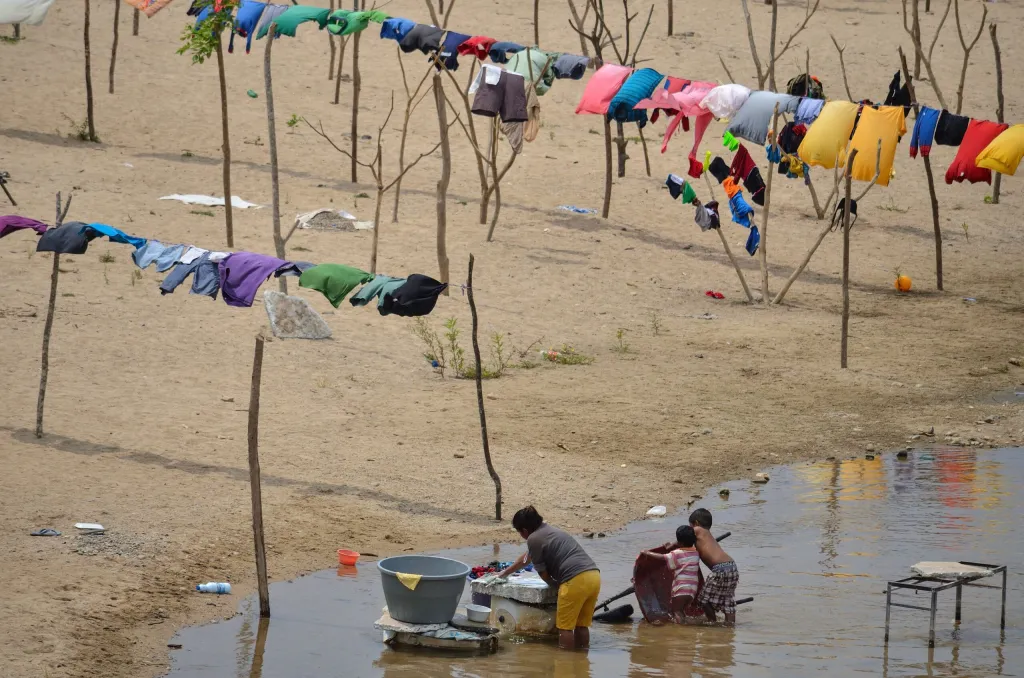
In 2024 alone, at least 28,900 people were forced to flee their homes in 72 internal displacement events recorded in 13 states across the country. Chiapas, Sinaloa, Michoacán, Chihuahua, Guerrero, Sonora, and Oaxaca accounted for the majority of these cases, according to the report Travesías forzadas: Desplazamiento interno en México presented on June 26 by the Human Rights Program (PDH) of the Ibero-American University in collaboration with UNHCR.
In this context, researcher J. Jesús María Serno explains that, for decades, political powers have joined the ranks of oppressive groups that have violated the rights of populations living in these rural areas, largely due to the natural resources they possess. One example of this is mining, which generates severe socio-environmental impacts such as water, soil, and air pollution; public health problems; loss of biodiversity; and, at the social level, internal conflicts, land and resource dispossession, as well as widespread poverty and violence.
“The story of the most vulnerable is a tremendous one, and it has been experienced by the indigenous population, but also by Afro-Mexican and Afro-coastal communities. These are very delicate problems, but they exist […] And there are a whole series of situations that are still unresolved and will not be resolved because they are very complex, very difficult to address or tackle,” the researcher tells Contralínea.
-
Mexico Requires a Deterrence Strategy
Mexico should continue to work at maintaining a positive relationship with our closest neighbor and number one trading partner. But acting like Trump isn’t capable of unilateral military action against us is foolish.
-
People’s Mañanera April 1
President Sheinbaum’s daily press conference, with comments on energy sovereignty, Tamaulipas housing, World Cup 2026, and the Gulf of Mexico oil spill.
-
The Hidden Connections Between the Ukrainian Military & Drug Cartels
It is difficult to believe that European intelligence services, which rigorously monitor arms trafficking, would ignore the flow of weapons & drones into the Americas.