
Mexico’s Food Self-Sufficiency Declines
This article by Braulio Carbajal originally appeared in the March 5, 2026 edition of La Jornada, Mexico’s premier left wing daily newspaper.
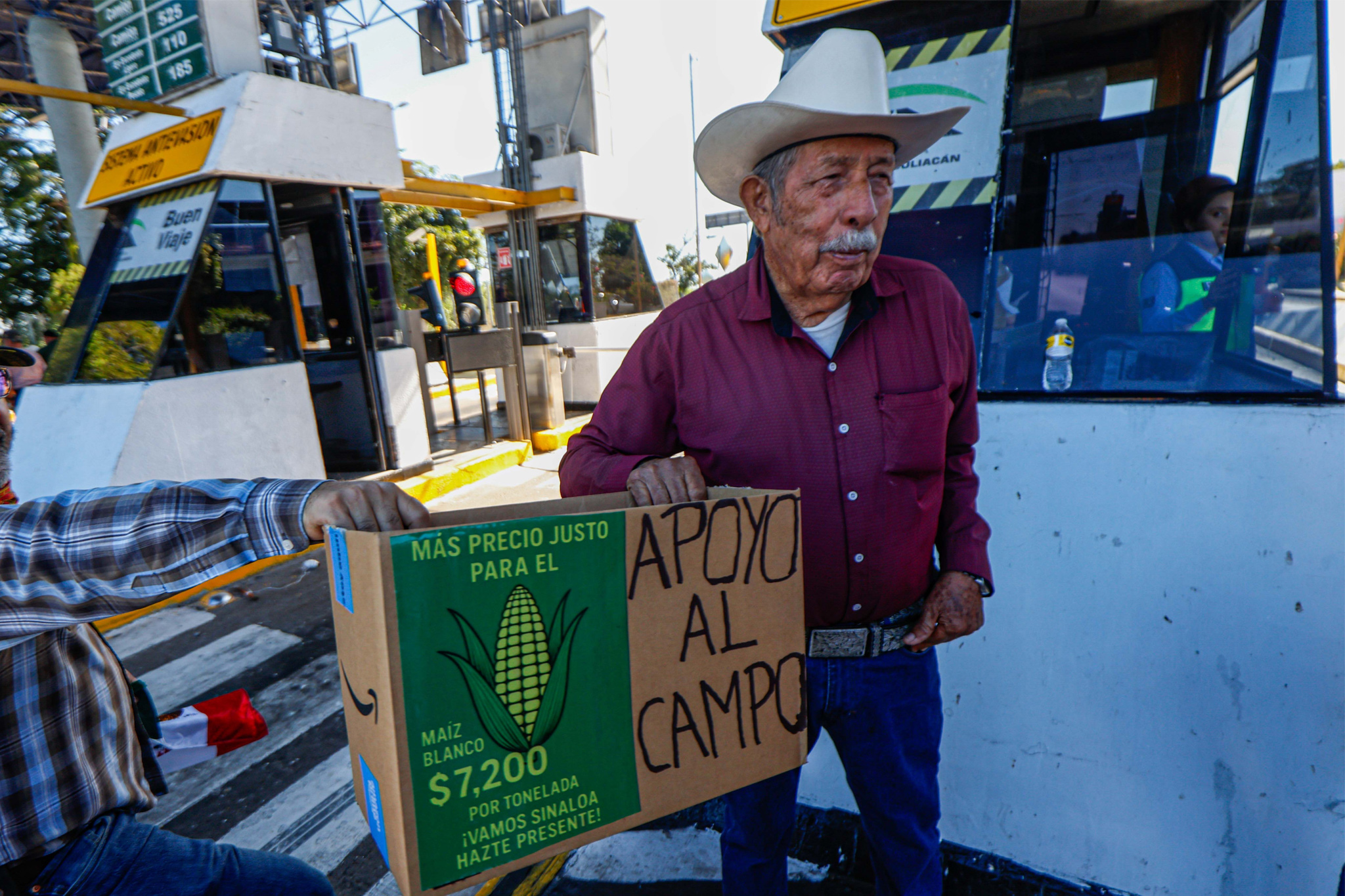
Mexico City. Mexico’s food self-sufficiency – that is, its capacity to meet the population’s needs with domestic production – has deteriorated in recent years and is expected to continue its downward trend in 2026, especially in strategic staple grains such as corn and wheat, where structural shortcomings and a strong dependence on imports persist.
In 2018, according to estimates from the Agricultural Markets Consulting Group, based on data from the Agri-Food and Fisheries Information Service and the National Customs Agency of Mexico, our country’s self-sufficiency in corn was 53 percent and by 2026 it is forecast to be 44 percent.
This means that while eight years ago Mexico produced 53 kilograms out of every 100 consumed, by the end of 2026 the figure will be only 44 kilograms; this situation has generated an increase in imports.
In the case of wheat the situation is even more critical, since while in 2018 our country produced 42 percent of the total consumed by the population and companies, by the end of this year the level will be only 28 percent, that is, a drop of 14 points in eight years.
In 2018, Mexico was close to self-sufficiency in sorghum, producing 96 percent of national demand; however, this has fallen in recent years, to the point that it is expected to reach 84 percent by 2026. A similar case is that of beans, which then showed 95 percent self-sufficiency and now stands at 85 percent.
Eight years ago, the most critical point regarding grains was rice, given that only 24 percent of the total demand was produced in the national territory; this situation, far from improving, has worsened, given that it is expected to close 2026 at only 20 percent.
Juan Carlos Anaya, general director of the Consulting Group, explains that this drastic drop in Mexico’s self-sufficiency in basic grains is a direct consequence of the production model developed in past decades, which has focused on favoring export and agro-industrial crops over strategic grains.
In this type of product, food self-sufficiency is not only 100 percent, but in many cases far exceeds that range for export purposes.
For example, according to the analysis of the private organization, it is expected that this year self-sufficiency in avocados will be 195 percent and in agave 293 percent; that of parchment coffee, 140; that of sugar cane, 134; tomato, 215, and that of lemon, 128 percent.
“Mexico has a surplus in high-value commercial products, but a deficit in basic grains. In the agro-industrial sector, it maintains a structural surplus; for example, agave production is practically three times the domestic consumption, and parchment coffee and sugarcane maintain ample coverage of the national market. These are sectors with a clear export orientation,” Anaya emphasized.
-
El Taller: Central America: Ground Zero for Empire with Hilary Goodfriend
Breaking down Central America’s political trajectory—from US intervention to today’s far-right surge, electoral sabotage, and Mexico’s strategic role.
-
People’s Mañanera March 25
President Sheinbaum’s daily press conference, with comments on Plan B electoral reform, Housing for Wellbeing and housing as a social right, polls, and consular protection for Mexican migrants in the US.
-
Ecocidal Militarism
If citizens in Western democracies were asked whether their militaries should build public infrastructure instead of waging war, they would almost certainly choose the latter. Abby Martin’s newest film “The Greatest Enemy of the Earth,” documents the environmental cost of the American empire.