Mexico’s Future Will be Small and Local
This editorial by Victor M. Toledo appeared in the June 17, 2025 edition of La Jornada, Mexico’s premier leftist daily newspaper.
Everything indicates that the current dominant model of globalization, created and perfected by corporations and banks, is already unsustainable and is being challenged and replaced by alternative forms driven by small-scale social organizations. Today, there are two ways to address the social and environmental crisis facing the contemporary world under the global model. The first revolves around the concept of the “local.” This movement has been spearheaded by Helena Norberg-Hodge, a linguist and filmmaker, founder and director of Local Futures, an organization that claims to be “committed to the revitalization of cultural and biological diversity, as well as to the strengthening of local communities and economies around the world” (see the book Our Future is Local).
Local Futures, established for several decades and present in 30 countries, has produced numerous books and reports, as well as documentaries and films. The organization promotes decentralization and opposes globalization dominated by corporations and banks, and advocates a “happiness economy.” I recommend the reader watch the 42-minute video “The Power of Local,” which showcases successful experiences from France, Poland, Finland, England, Thailand, New Zealand, Brazil, Mexico, and two African countries. In Spain, this organization is led by Patricia Moguel and Anja Lyngbaeky, who just held a webinar on the topic.
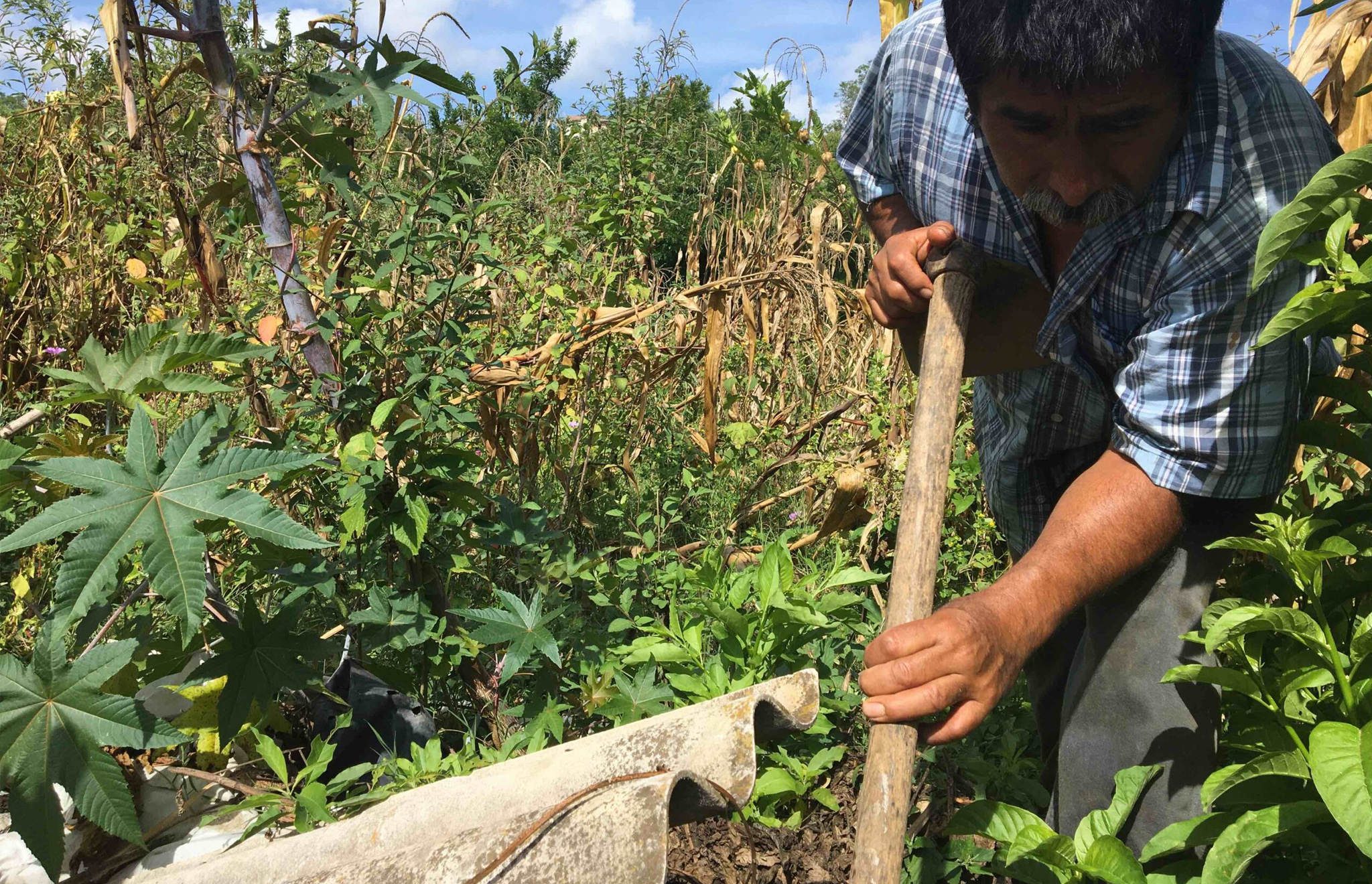
The second approach revolves around the concept of “small.” It is the one adopted, explicitly or implicitly, by progressive or left-wing social movements, parties, and governments. This idea permeates proposals made throughout much of Latin America. In Mexico, the government of Andrés Manuel López Obrador decided to stop supporting medium- and large-scale farmers during the neoliberal period and focus its programs on small farmers. The so-called Fourth Transformation (4T) is essentially an initiative aimed at supporting small farmers. Two concrete examples are the Sembrando Vida Program, which supported 540,000 farmers between 2018 and 2024, and the Agriculture for Well-being Program, with more than 400,000 participants. The two programs together reach nearly one million small-scale farmers.
It is worth noting that both currents ultimately foster social empowerment through collective and cooperative initiatives in the areas of food, water, energy, communications, and financial services.
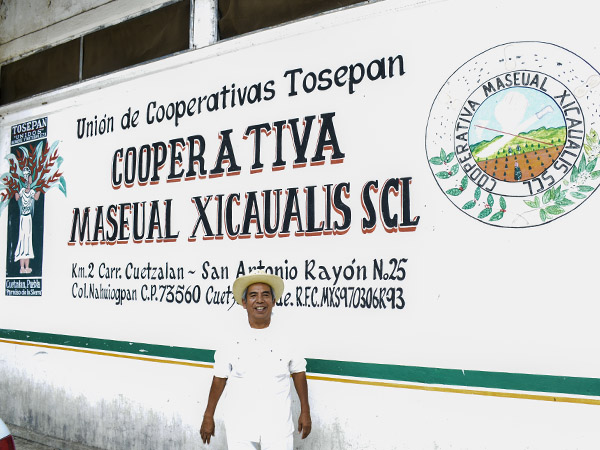
Two emblematic examples of this are the Tosepan Titataniske cooperative, in the rural area of the Sierra Norte of Puebla, and Acapatzingo, an urban cooperative in Iztapalapa, Mexico City.
The case of financial cooperatives or savings and loan cooperatives is very illustrative. According to reports from the National Banking and Securities Commission (CNBV, 2023), for 2023 there were 155 cooperatives with 8 million 869 thousand members in 18 thousand cooperatives and a current portfolio of 127 billion 753 million pesos. The report states that the highly dynamic cooperative sector grew almost double that of commercial banks and their 50 banks. In short, the outlook in the country is very positive, as the arrival of the Fourth Transformation has strengthened synergies between the government and countless local and small initiatives. Therefore, we affirm that the future will be built along these hopeful and possible paths.
-
People’s Mañanera October 16
President Sheinbaum’s daily press conference, with comments on recovered assets, public education, security, and exports.
-
Mexico Does Not Have the Capacity to Confront the Cartels, Trump Says
Speaking at the White House, Trump claimed without evidence that cartels control Mexico and warned they have a deadline to “basically surrender.”
-
Mexico’s Secretary of Governance Announces Group of Experts Will Analyze National Registry of the Disappeared
Backed by the UN human rights office, Mexican and U.S. scientists will audit the registry, while 16,003 people reported missing have been located.