Mexico’s Largest Trade Union Federation Adds 2 to Leadership Race
This article by María del Pilar Martínez originally appeared in the February 10, 2026 edition of El Economista.
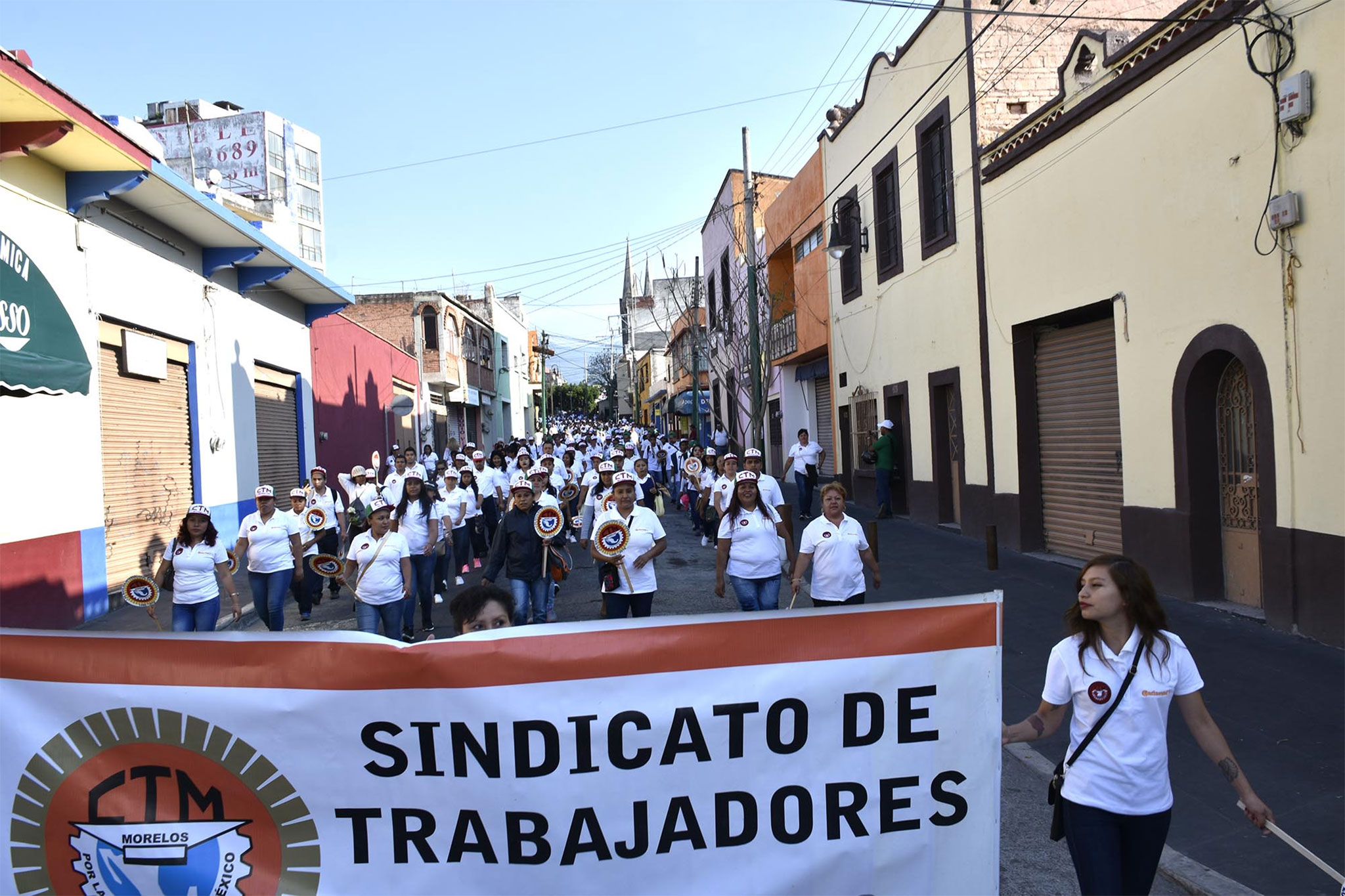
With the 17th General Congress of the Confederation of Mexican Workers (CTM) approaching, two new figures have emerged in the leadership race. Fernando Salgado Delgado, Deputy General Secretary of the National Committee, and Alfonso Sánchez, General Secretary of the CTM Federation in Mexico City, have joined the race for General Secretary.
Alfonso Sánchez was emphatic in requesting that the transition be carried out through a clear process and with strict adherence to the statutes governing the confederation’s internal affairs. For Sánchez, this unprecedented moment represents an opportunity to relaunch the CTM and position it strongly on the national and international stage, taking advantage of the new labor justice model and the challenges posed by global trade.
For his part, Fernando Salgado Delgado focused his speech on the importance of institutional cohesion. The Deputy Secretary General acknowledged the value of Aceves del Olmo’s decision as a step that prioritizes the union’s stability. Salgado advocated for an orderly renewal process, where unity is the guiding principle for defending the rights and aspirations of the working class. His vision includes providing union representation for informal workers and placing particular emphasis on training in the face of advancing industrial automation.
A key point of agreement between the two candidates is their willingness to engage in dialogue. Neither Salgado nor Sánchez rules out the possibility of joining a single national unity ticket, as initially proposed by Tereso Medina, who was the first to put himself forward for this leadership change. This strategy aims to avoid internal divisions and present a united front to the government and the business sector.
Sánchez mentioned that, while he has a legitimate aspiration to lead the CTM, the primary objective should be the greater well-being of the workers and the building of strategic alliances, even with the Presidency of the Republic, to ensure that the country’s development is not based on cheap labor.
With the upcoming February 24th congress, the CTM is preparing to chart its course for the 21st century. Candidates agree that current challenges, such as reducing the workweek to 40 hours, regulating artificial intelligence in the workplace, and renegotiating the USMCA, demand leadership capable of evolving.
-
El Taller: Central America: Ground Zero for Empire with Hilary Goodfriend
Breaking down Central America’s political trajectory—from US intervention to today’s far-right surge, electoral sabotage, and Mexico’s strategic role.
-
People’s Mañanera March 25
President Sheinbaum’s daily press conference, with comments on Plan B electoral reform, Housing for Wellbeing and housing as a social right, polls, and consular protection for Mexican migrants in the US.
-
Ecocidal Militarism
If citizens in Western democracies were asked whether their militaries should build public infrastructure instead of waging war, they would almost certainly choose the latter. Abby Martin’s newest film “The Greatest Enemy of the Earth,” documents the environmental cost of the American empire.