On the International Day for the Elimination of Violence against Women
This editorial by Elena Tapia Fonllem originally appeared in the November 25, 2025 edition of El Sol de México. The views expressed in this article are the author’s own and do not necessarily reflect those of Mexico Solidarity Media, or the Mexico Solidarity Project.
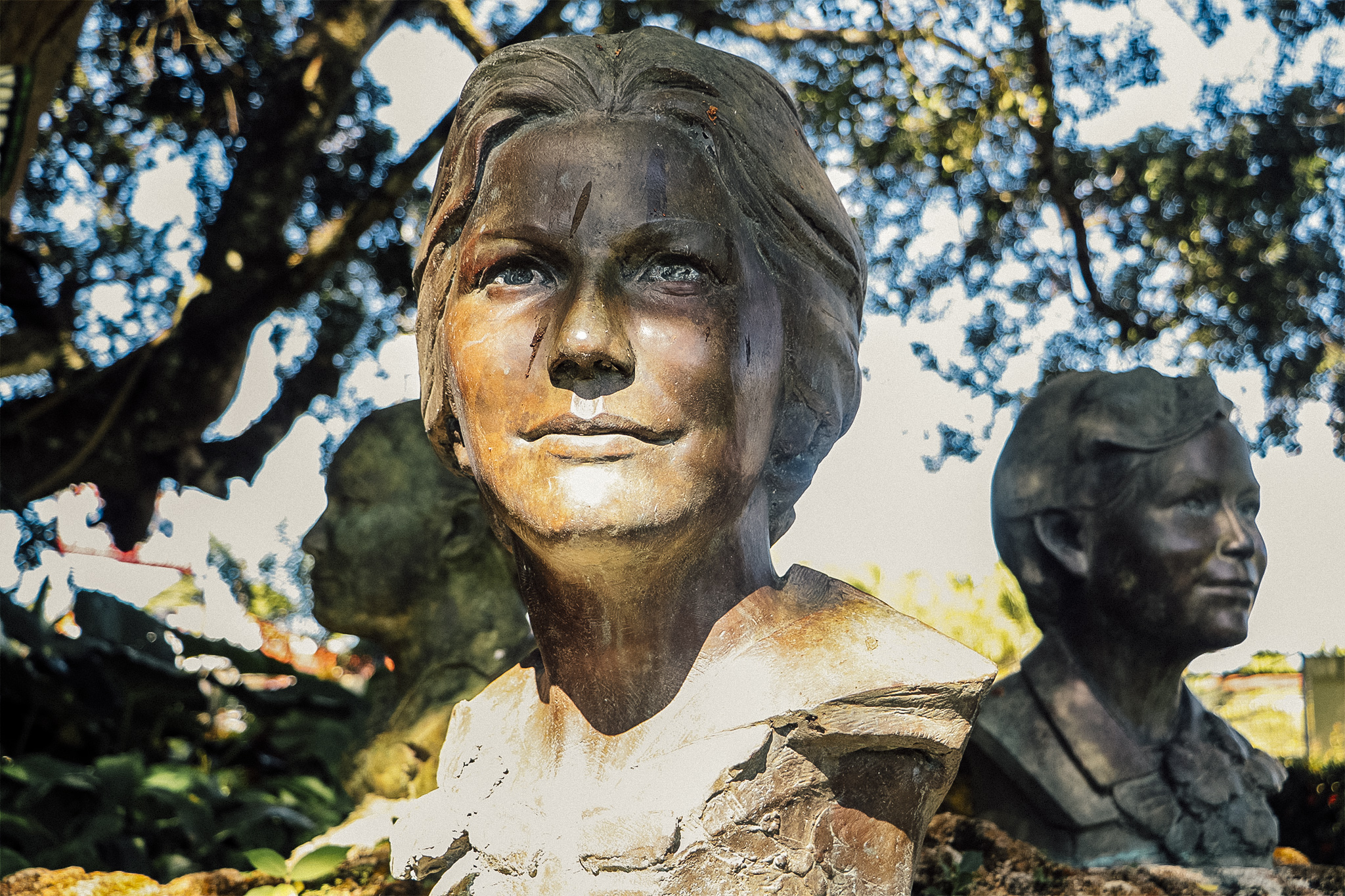
For exercising their rights to express themselves and act against the Trujillo dictatorship in the Dominican Republic, the Mirabal sisters were murdered on November 25, 1960; the political violence against them left a deep mark and led to the establishment of that day as the International Day for the Elimination of Violence against Women.
Several decades later, November 25th continues to call hundreds of thousands of women around the world to demonstrate in various ways to demand the right conditions for violence to be prevented, addressed, punished and eradicated.
Women should have the right to be safe in the homes they are part of, whether as daughters, wives, sisters, mothers, grandmothers, daughters-in-law, aunts, cousins or any other kinship condition; the family should be the space that guarantees good, respect, protection, harmony, and tranquility.
Mexican women should have the right to travel safely through the streets of any city, to go to their schools, their jobs, community spaces and/or places of entertainment.
Women who require medical attention, whether obstetric or otherwise, should receive top-quality care, with respect and professional ethics, ensuring that their experience in clinics, hospitals, or any space involving contact with medical personnel is pleasant and truly caring.
Women who have been victims of harassment, stalking, sexual violence, or other forms of aggression should be able to report these crimes and obtain justice. ALL women have the right to receive professional attention from public prosecutors and judges , without being revictimized, and to access procedures that expedite sentencing for aggressors, ensuring that impunity is not tolerated, as this is the only way to promote a culture of reporting. Likewise, those who seek to protect their lives and the lives of their children from physical and sexual violence by former spouses deserve access to sufficient and well-equipped shelters as temporary refuges, a crucial strategy for the prevention of femicides.
The perpetuation of violence against women and girls can be prevented if the national education system fully fulfills its role: preventing, from the classroom—from preschool to higher education—the normalization of violence, breaking with the teaching of gender stereotypes that only perpetuate inequality.
As with any social problem rooted in culture, beliefs, ignorance, and customs, it is the state’s responsibility to implement the actions required to build a country without violence, where respect, constructive coexistence, and recognition of the value of women and their contribution to the social, economic, and political life of Mexico prevail.
It is the responsibility of the Mexican state to resolve, not merely pretend to, the numerous problems of violence against women and girls that occur daily in various forms, from seemingly harmless comments laden with psychological violence, to the structural violence that the state itself exerts, to the most pernicious form of violence, which is taking their lives, femicide.
-
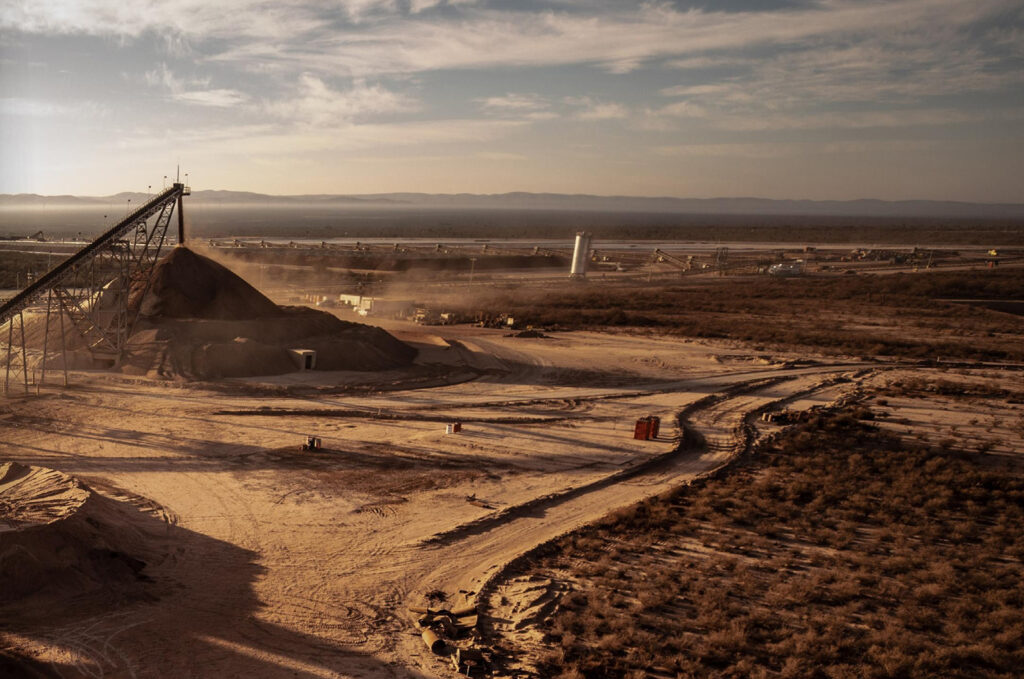
Camino Rojo: Impunity & Reluctance
What special privilege do mining corporations (both national and foreign) enjoy in Mexico, where they get away with everything, even in these times when the law is supposed to be applied equally without exception?
-
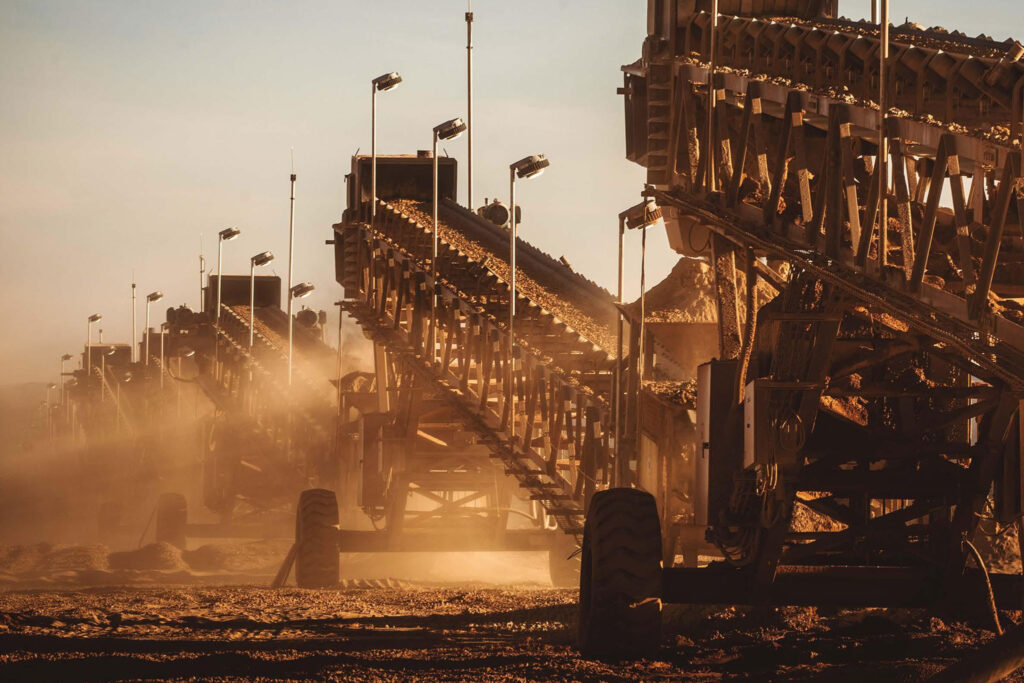
Orla Mining: Investigate & Clarify
If it is confirmed that the Canadian mining company hired criminals to persecute its workers, the sanction cannot be limited to an administrative procedure, as this would allow companies to normalize fines as just another operating cost.
-
People’s Mañanera April 10
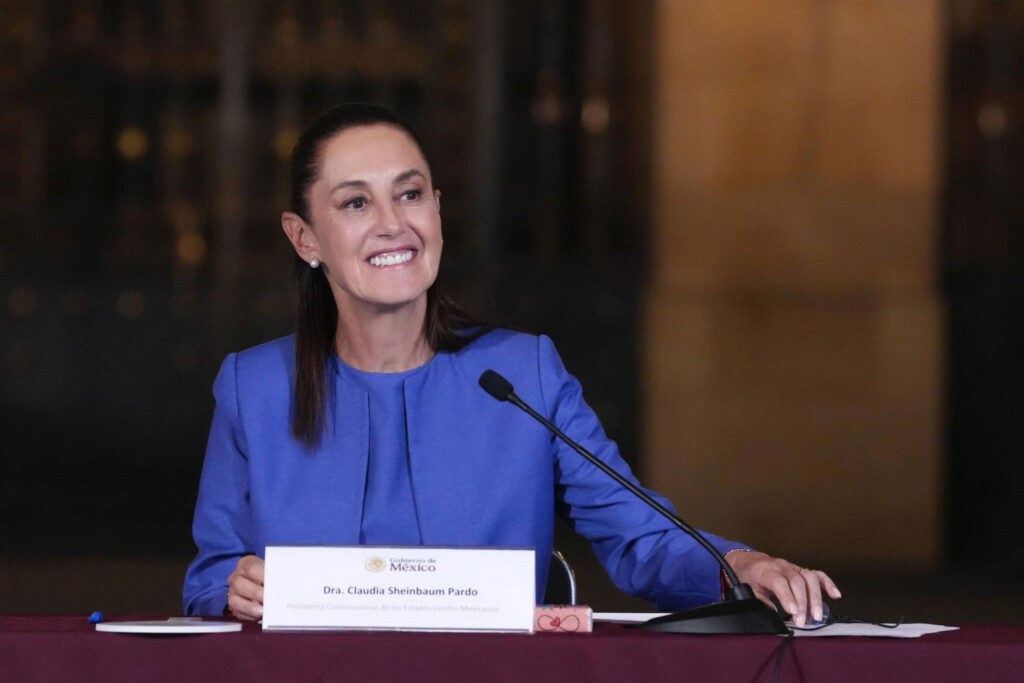
President Sheinbaum’s daily press conference, with comments on electoral reform, Barcelona reformist summit, electoral auditing, the economy, World Cup and former Michoacán governor Silvano Aureoles’ arrest warrant.