
Peña Nieto Filmed Next to Controversial Israeli Contractor
This article by Mariana Álvarez Torres originally appeared in the August 30, 2026 edition of SinEmbargo, an independent Mexican news outlet.
Mexico City, August 30 (SinEmbargo).— Former president Enrique Peña Nieto (EPN) was captured on video during the wedding of Israeli singer Omer Adam, held in Portofino, Italy, seated next to Israeli businessman Avishai Neriah, accused by a media outlet in that country of having participated in the delivery of 25 million dollars to the PRI member to favor contracts within the Mexican government, among them the purchase of the Pegasus spying system.
The material was recorded during the performance of Hasidic singer Motty Steinmetz, who took part in the celebration. In it, the former official —also a lawyer— appears among the guests wearing a kippah, traditionally used by Jewish men.
The event comes a little more than a year after the newspaper The Marker revealed a series of documents about a dispute between Neriah and businessman Uri Emmanuel Ansbacher, in which both reportedly acknowledged a “joint investment” related to a high-ranking figure in the Mexican government. The outlet identified that person as Enrique Peña Nieto.
According to the investigation, the documents did not specify how the 25 million dollars were used. However, a source cited by the Israeli outlet maintained that a significant portion of the money was reportedly allocated to political expenses, possibly related to the 2012 presidential campaign.
The report also indicated that Neriah was the one who had direct access to Peña Nieto, while both businessmen reportedly used their ties to Mexican officials to obtain contracts during the PRI six-year term. Among the deals mentioned was the sale of the Pegasus spying system.
During the administration of Enrique Peña Nieto, between 2012 and 2018, various Mexican agencies acquired Pegasus, a program developed by the Israeli company NSO Group to infiltrate cell phones and obtain information from their users.
That technology was acquired under the argument of using it against organized crime, but journalistic investigations and those of civil organizations documented that the phones of journalists, activists, and politicians were selected as possible espionage targets.
After the report was published, the former PRI president rejected the accusations and described the information about the alleged payments as “totally false.” He also asserted that he never intervened in the awarding of contracts and denied knowing the businessmen named.
The Attorney General’s Office (FGR) subsequently opened an investigation to clarify the accusations and requested information from the Israeli authorities about the content of the report, as well as the arbitration documents.
As of that moment, the Mexican institution stated that it did not have sufficient evidence to corroborate the accusations.
-
Defense of Sovereignty “Is Not Rhetoric, It’s Principles,” Sheinbaum Says
Sheinbaum recalled foreign pressure on Mexico in the 19th and 20th centuries and blamed the neoliberal governments and Calderón for opening the door to U.S. influence.
-
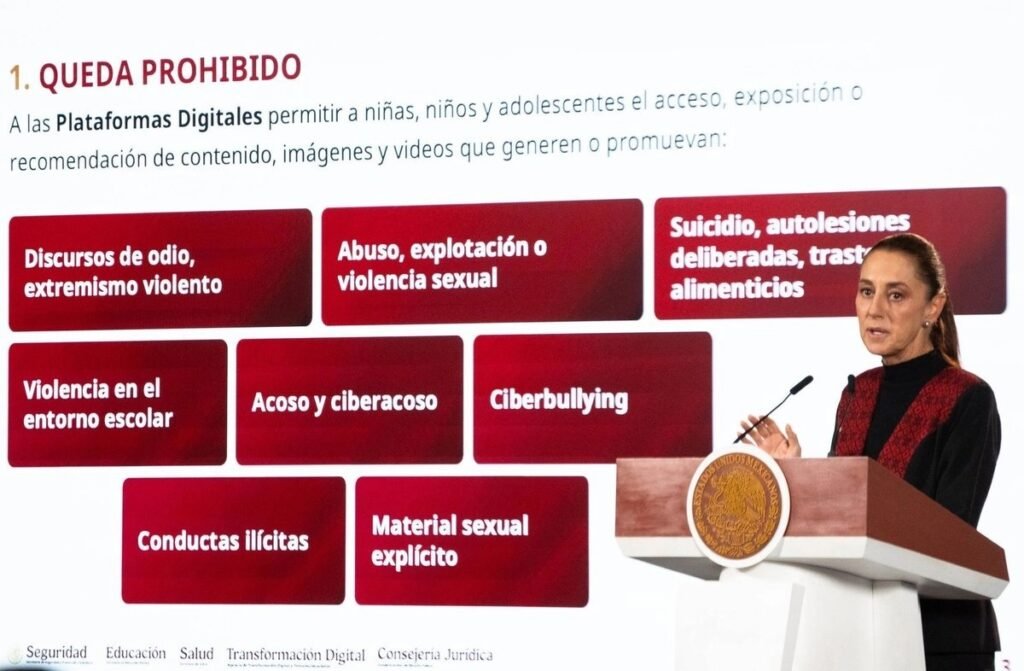
Sheinbaum Presents Draft Decree to Force Digital Platforms to Take Down Content That Incites Violence and Hate
No fines for now: the government will talk with tech companies before publishing the decree next week, a promise made after the Coahuila school attack.
-
People’s Mañanera October 9
President Sheinbaum’s daily press conference, with comments on digital safety, IMSS-Bienestar, sovereignty, and the opposition.