People’s Mañanera March 23
Every day, President Claudia Sheinbaum gives a morning presidential press conference and Mexico Solidarity Media posts English language summaries, translated by Mexico Solidarity’s Pedro Gellert. Previous press conference summaries are available here.
New Water Law: An End to Private Profit and Hydraulic Justice
The law eliminates the transfer of concessions and puts a halt to the black market, punishing abuses such as hoarding and the sale of water tankers with fines of up to 3.5 million pesos (US$200,000) and imprisonment. In addition, hydraulic justice is advancing: municipalities with direct concessions, water being prioritized for families, and support being provided to small-scale producers.
The plundering was exposed: concessionaires have accumulated debts of nearly 12 billion pesos (US$670 million), due to overexploitation, lack of meters, and non-payment, so they were called upon to regularize their status or lose their concessions.
Recall Election: Participatory Democracy Without Pretenses
President Claudia Sheinbaum reaffirmed that the recall referendum should take place in 2027 as a genuine mechanism for citizen participation. She insisted that the president must be able to discuss the process without this being confused with partisan political promotion, since informing the public is not campaigning. Sheinbaum argued that preventing this would be absurd and would limit the people’s right to make informed decisions.
Solidarity with Cuba: Aid, Oil, and Historic Rejection of the Blockade
Mexico sent another ship with humanitarian aid to Cuba and maintains its firm stance against the economic blockade, which has been in place for over 64 years. In addition, the possibility of sending oil to Cuba is being considered to help address the energy crisis resulting from these restrictions. The commitment to national self-determination was reiterated, along with the call for the UN to join international relief efforts.
Sovereignty and energy self-sufficiency: results with environmental responsibility
Mexico is making progress in reducing its dependence on natural gas and in building a model that combines environmental sustainability and national sovereignty, leaving the neoliberal framework behind. Today, the country produces and refines 80% of its oil, reducing imports to 20%, and plans to increase the production of natural gas, 75% of which is currently imported.
Security and justice: results and institutional strengthening
A plan will be presented to strengthen the Federal Attorney General’s Office (FGR) and its coordination with state prosecutors’ offices, with an emphasis on gathering intelligence and the effectiveness of the adversarial system. The reduction in violence was highlighted, with up to 50% fewer homicides in Mexico City during the current administration and a national decrease of nearly 45%, consolidating a strategy with results.
-
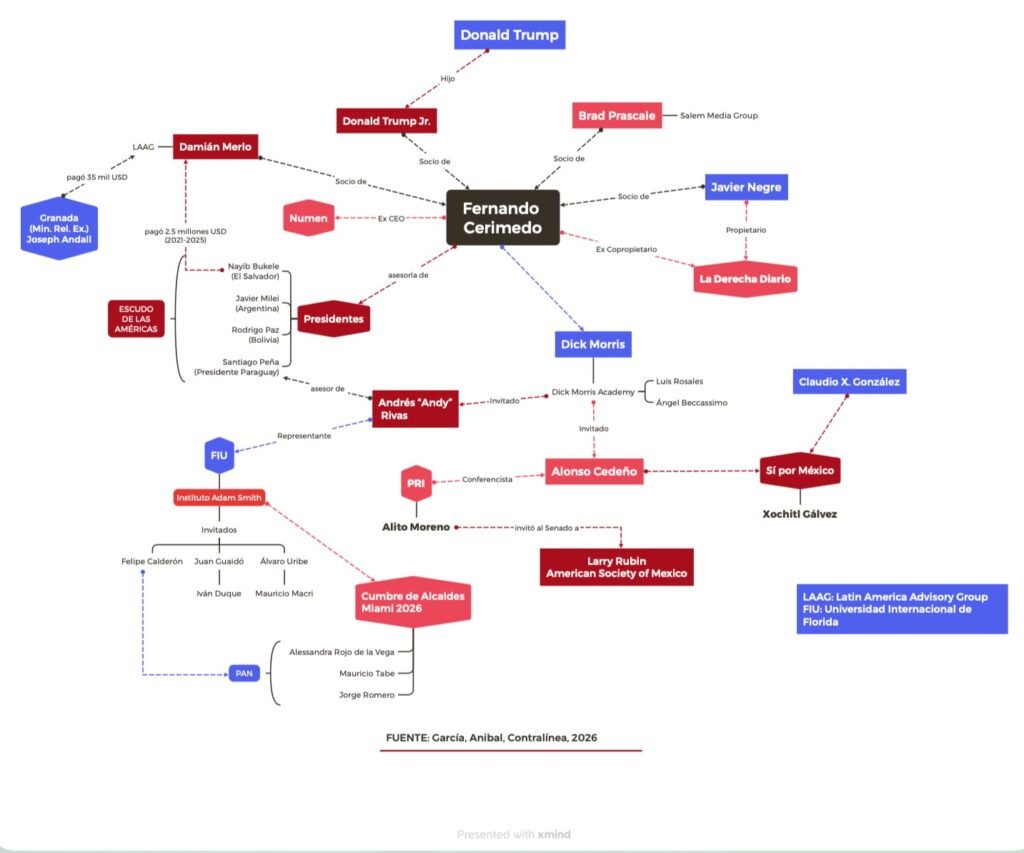
Fernando Cerimedo’s International Network Includes the PRI and Sí por México
In Contralínea, Aníbal García Fernández shows how Cerimedo’s network reaches Mexico’s right-wing opposition, through the man who ran an anti-Morena group’s social media.
-
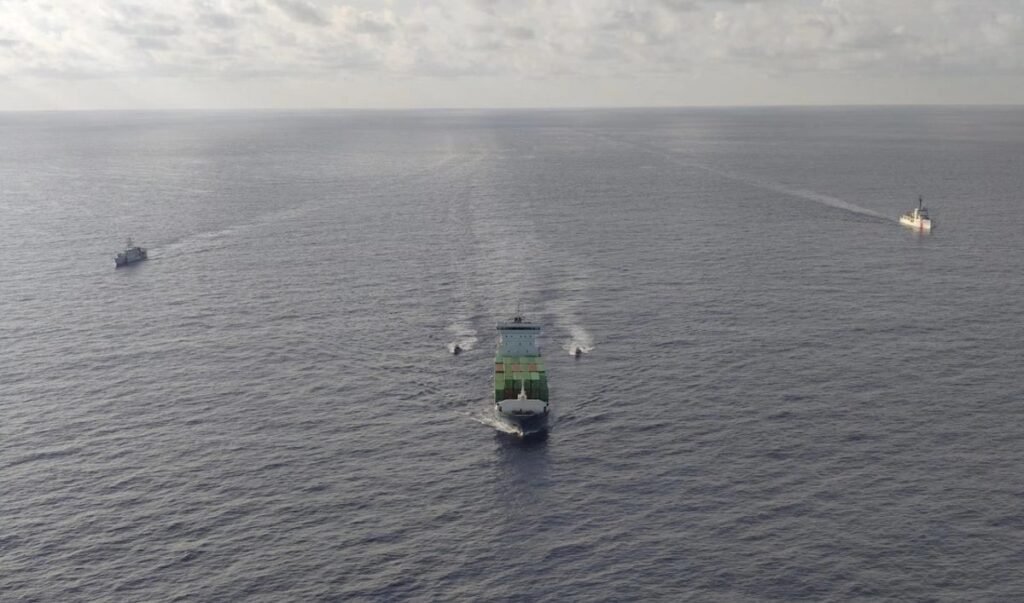
US Seized a Ship with Crude Oil That Was Headed to Cuba and Sent It to Mexico
The Coast Guard boarded the Grace in the Caribbean in early September and had Mexico’s Navy inspect it in Progreso, but only announced it a month later.
-
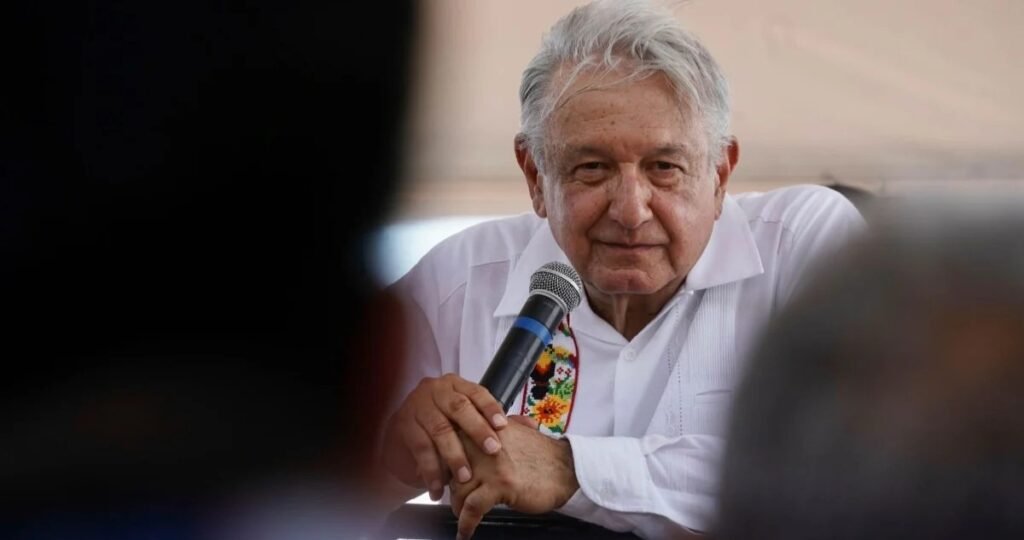
AMLO Authorizes “Only Morena” to Use His Words and Image, and Calls to Support Sheinbaum
In the closing chapter of his new book Pueblo, written from retirement in Palenque, López Obrador also warns Morena hopefuls against nepotism and ambition.