Predatory Advertising
This article by Alejandro Calvillo originally appeared in the March 21, 2026 edition of Sin Embargo.
As a society we are drowning in advertising, to such a degree that we do not fully distinguish it; we have no idea how it determines our habits, our choices.
Advertising has the capacity to abuse, to harm, to prey. We can affirm that the profound damage already affecting humanity and the planet would not have occurred without so-called “predatory advertising.”
The first time I heard the term “predatory advertising” was from Nicholas Freudenberg, author of the book Lethal but Legal, subtitled Corporations, Consumption and the Protection of Public Health.
Freudenberg points out that never before in the history of humanity has there been such a deep gap between the enormous economic and scientific potential that could provide better health for all and the reality of a world that is subjected to an epidemic of diseases and premature deaths that could be avoided.
It is precisely from this economic power, concentrated in the hands of a few, in enormous global corporations, that these epidemics of disease and death are being caused. This is largely due to the products of some of these global corporations.
The products now called the commercial determinants of health are the leading causes of illness and death. They are called commercial determinants because they are products that become highly affordable in the market; their high availability and the powerful advertising that positions them have led to their high consumption and the resulting health problems.
The practices of corporations that market these products have led to global epidemics. The power of these corporations, such as those in the tobacco, alcohol, and ultra-processed food industries—including companies like Coca-Cola—has generated significant influence over all kinds of international and national organizations.
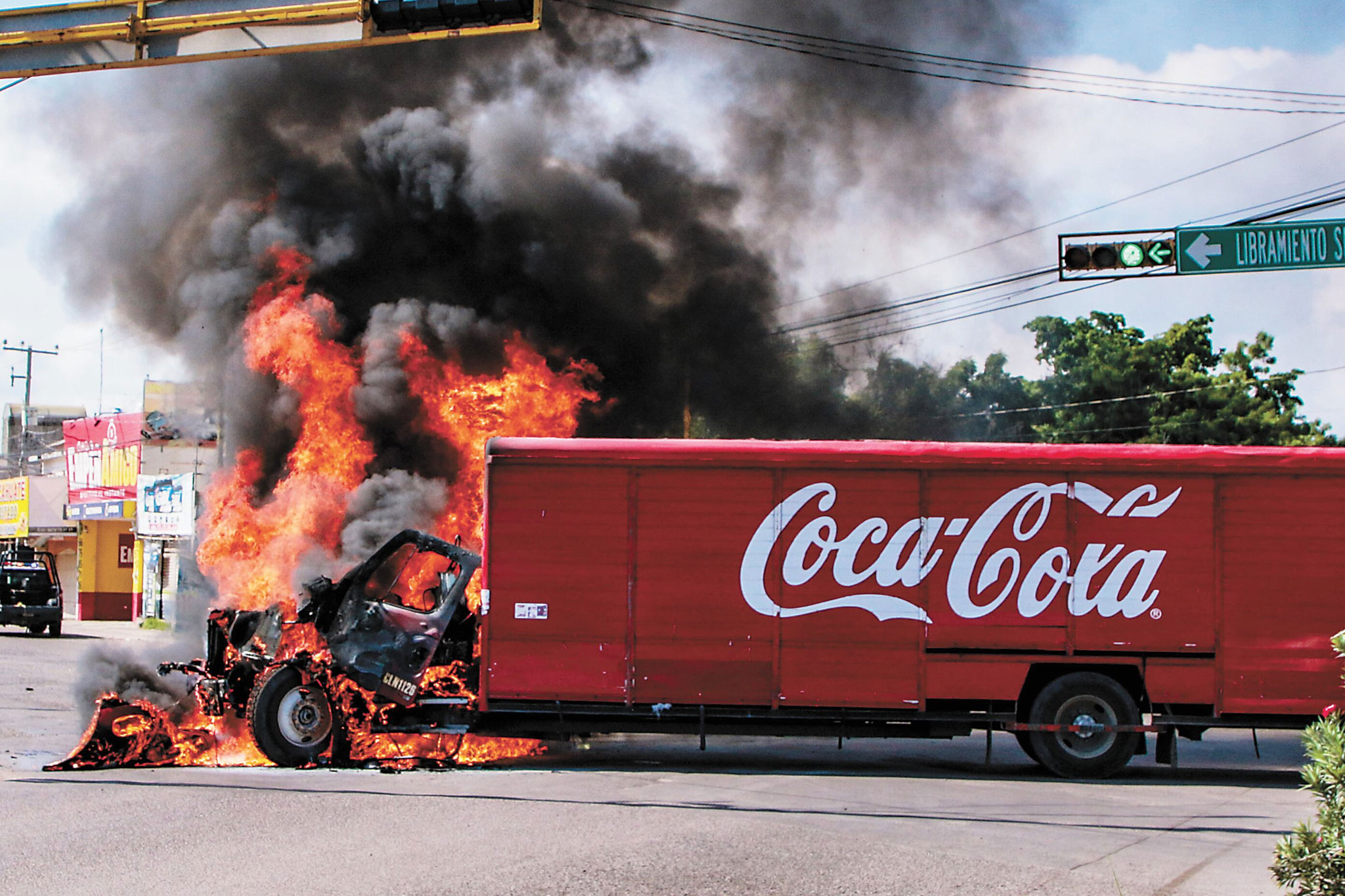
A clear example of the predatory advertising of these corporations can be seen in what we are currently experiencing with the World Cup, with the marriage agreement between the corrupt FIFA and the predatory Coca-Cola.
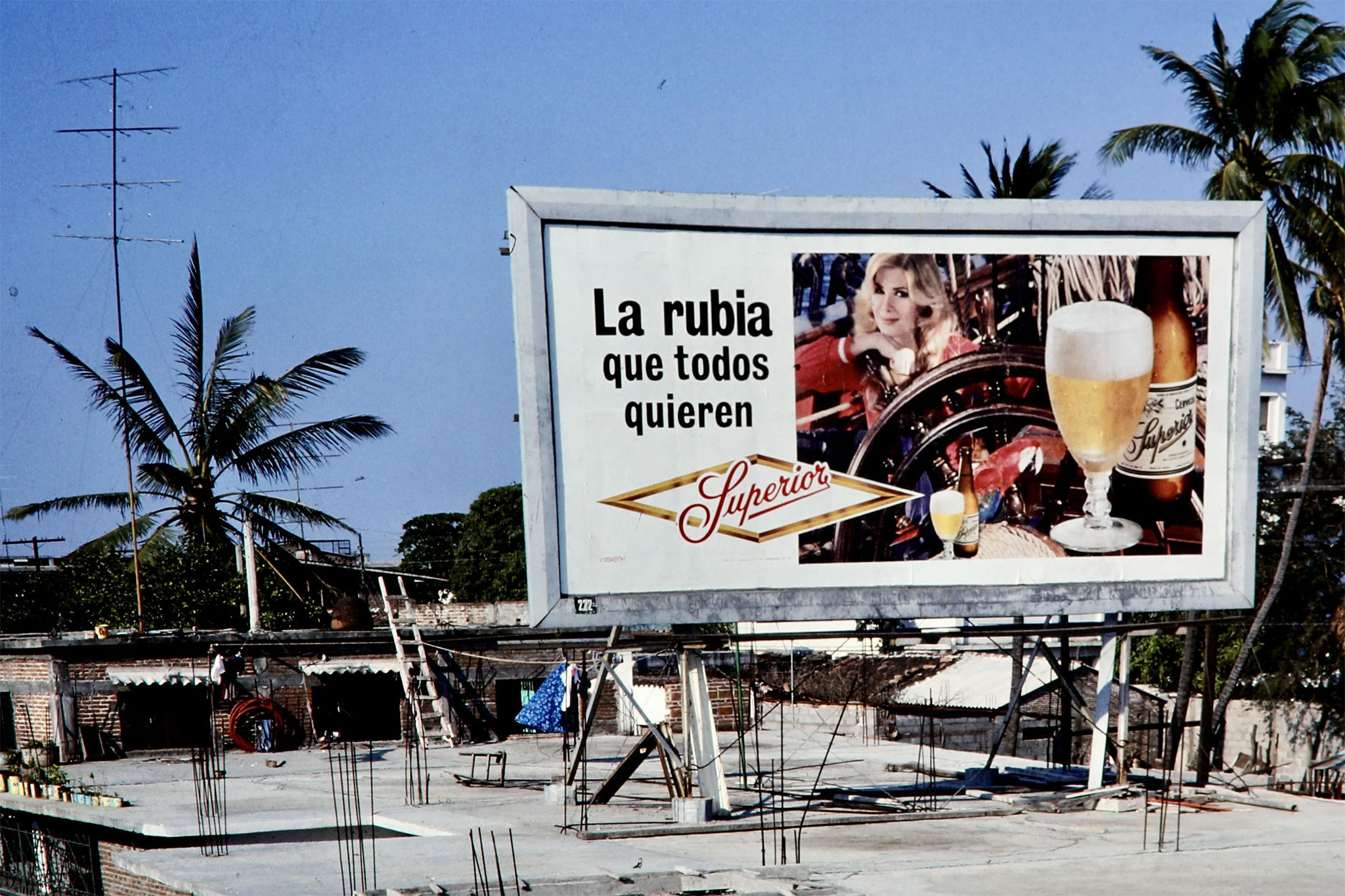
Let’s look at the case of predatory alcohol advertising, another product with profound health damage that, while providing enormous profits to large corporations, leaves enormous costs for health systems and family pockets, in addition to social breakdown and increased violence.
In the case of alcohol, current statistics show an increase in consumption among women, especially young women. The estimated costs of alcohol consumption in Mexico amount to 552 billion pesos, and the taxes paid by alcohol companies are about one-tenth of those costs: 57 billion pesos. Who reaps the profits and who pays the costs?
But how did women start consuming more alcohol? Alcohol corporations employ many marketing strategies; a key one is advertising, and there are numerous examples of how advertising has driven increased consumption, which is detrimental to health, especially when it comes to addictive products. This links alcoholic beverages to sugary drinks, tobacco, and junk food—products designed to be addictive. Data from the United States illustrates part of this strategy through advertising investments, as Freudenberg demonstrates in Lethal but Legal with the case of alcohol and its increased consumption among women.
The Copa Cola brand will bring us nothing good; it’s a legacy left by Peña Nieto, and this government has failed to distance itself from it prudently. We will experience the consequences: the further normalization of its consumption, its healthy image reinforced by its association with sports…it will become clear that there’s no “copa without cola.”
The following example is a good illustration of this strategy of capturing new consumers at a younger age. Diageo, the British multinational that is the world’s largest producer of spirits, began developing a type of product in the early 1990s that is now very prevalent in the Mexican market: “alcopops,” alcoholic beverages that mimic the characteristics of soft drinks; cocktails that mix alcohol with sweet-tasting, often carbonated, beverages; and drinks with artificial flavors like soft drinks, sold pre-mixed in cans and small bottles. These alcoholic beverages are available in all stores authorized to sell beer. In Mexico, they are found in all convenience stores and have the potential to expand into smaller, independent shops.
These beverages, which fall somewhere between an alcoholic drink and a traditional soft drink, have been described by experts as a strategic gateway to alcohol consumption for children. In other words, they are considered “gateway” drinks to alcohol. They are said to have a “masked taste” because the sweet flavor masks the alcohol’s flavor, and they are colorful and appealing to young people and women. Diageo lobbied heavily to have these drinks classified similarly to beer, thus gaining access to the market with far fewer regulations: lower taxes, more points of sale, fewer restrictions on sales hours, and fewer advertising restrictions.
Advertising spending on these mixed drinks from various brands jumped from $27.5 million in 2000 to $193.2 million in 2002, while consumption increased from 105.1 million gallons to 180 million gallons during the same period. A survey found that in 2001, 51 percent of 17- and 18-year-olds—below the legal drinking age of 21 in the United States—had already tried these mixed drinks, and a third of 14- to 16-year-olds had also tried them. The new product, with its appealing features for young people and the massive advertising investment, had quickly led younger consumers to start drinking alcohol. A similar situation occurred with e-cigarettes introduced by tobacco companies, which have led children to start vaping several years earlier than they typically start smoking. For corporations, it was a success; for public health, a disaster.
As a society we are drowning in advertising, to such a degree that we do not fully distinguish it; we have no idea how it determines our habits, our choices.
The corporations’ great success lay in having targeted women, who consumed significantly less alcohol than men and whom the alcohol industry considered a segment of the population with great potential for increased consumption. Following the design of these new products and their multimillion-dollar investment in advertising, it was found that girls and young women between the ages of 13 and 19 expressed a greater preference for these alcoholic cocktails than boys and young men. Another study recorded that in 2002, young women under the age of 21 were exposed to 95 percent more advertising for these types of products in magazines than women 21 and older. This situation, in which women have been the focus of advertising strategies for several years now, is already reflected in the increase in alcohol-related health problems among women, “including suicidal thoughts, osteoporosis, menstrual disorders, and some liver diseases.”
More normalized than the consumption of alcoholic beverages in Mexico is the consumption of soft drinks. This is because our country has been the victim of one of the most devastating forms of predatory advertising: Coca-Cola advertising. This predatory Coca-Cola advertising, along with its addictive nature and penetration strategies, has made our population the largest consumer of this brand on the planet, a fact that has significantly contributed to our having one of the highest rates of obesity and diabetes in the world. This advertising reaches another level with the World Cup, a tournament accompanied by the invasive advertising of this beverage. During its tour of the country, if you want to get close to the trophy, you have to give your information to Coca-Cola and agree to receive advertising, promotions, and information that this corporation wants to send you. In other words, the World Cup is a lure to get people to come, collect their data, and become the target of direct advertising strategies by the soft drink company.
The Copa Cola brand will bring us nothing good; it’s a legacy left by Peña Nieto, and this government has failed to distance itself from it prudently. We will experience the consequences: the further normalization of its consumption, its healthy image reinforced by its association with sports…it will become clear that there’s no “copa without cola.” Another aspect of predatory advertising is precisely the association of a product that is harmful to health with events and values that allow it to masquerade as healthy, youthful, and happy, when what it actually produces is overweight, obesity, kidney and liver damage, bone loss, massive water extraction, and plastic pollution. This is predatory advertising, the very essence of the corporation.

Alejandro Calvillo is director of El Poder del Consumidor, a non-profit civil association that works to defend the rights of the Mexican consumer, as well as a sociologist with degrees in philosophy from the University of Barcelona and environment and sustainable development from El Colegio de México.
-
Camino Rojo: Impunity & Reluctance
What special privilege do mining corporations (both national and foreign) enjoy in Mexico, where they get away with everything, even in these times when the law is supposed to be applied equally without exception?
-
Orla Mining: Investigate & Clarify
If it is confirmed that the Canadian mining company hired criminals to persecute its workers, the sanction cannot be limited to an administrative procedure, as this would allow companies to normalize fines as just another operating cost.
-
People’s Mañanera April 10
President Sheinbaum’s daily press conference, with comments on electoral reform, Barcelona reformist summit, electoral auditing, the economy, World Cup and former Michoacán governor Silvano Aureoles’ arrest warrant.