President Sheinbaum Proposes Her Timeline for Mexico to Reach 40 Hour Workweek by 2030
This article by Alonso Urrutia and Alma E. Muñoz originally appeared in the December 3, 2025 edition of La Jornada, Mexico’s premier left wing daily newspaper.
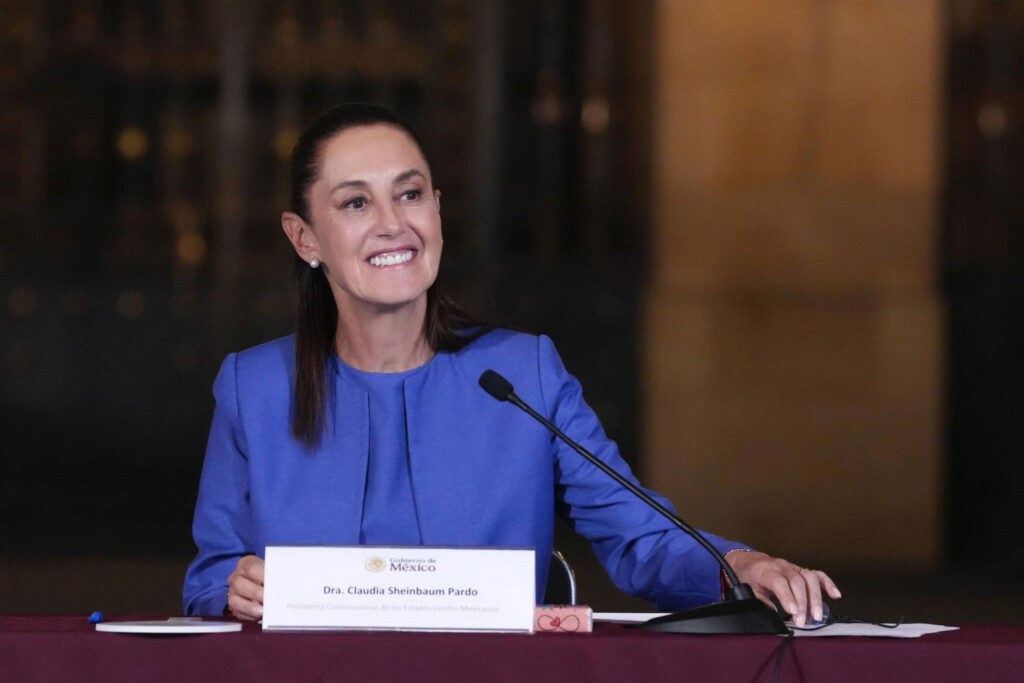
Mexico City. Mayor Claudia Sheinbaum announced that a labor reform initiative to incorporate a 40-hour workweek into the constitution and laws will be presented in 2026. She specified that this change will allow for a gradual transition from the current 48-hour workweek, beginning in 2027 with a reduction of two hours annually until the reform is fully implemented in 2030, at which point all workers will work 40 hours per week.
The Secretary of Labor and Social Welfare, Marath Bolaños, reported that according to INEGI data, there are currently 13.4 million workers in the country who still work 48 hours a week, and that this would be the number of people who would benefit from the reform that is intended to be approved in 2026. He pointed out that it is a constitutional reform to the Federal Labor Law that must be approved by the Congress of the Union and, in the case of changes to the Constitution, by the local congresses.
Bolaños explained that 2026 will be a transition year to allow companies, unions, and workers to adapt their current production methods to the new 40-hour workweek. He said the reform will begin in 2027 with an initial reduction of two hours, followed by further reductions each year until the 40-hour workweek is reached in 2030.
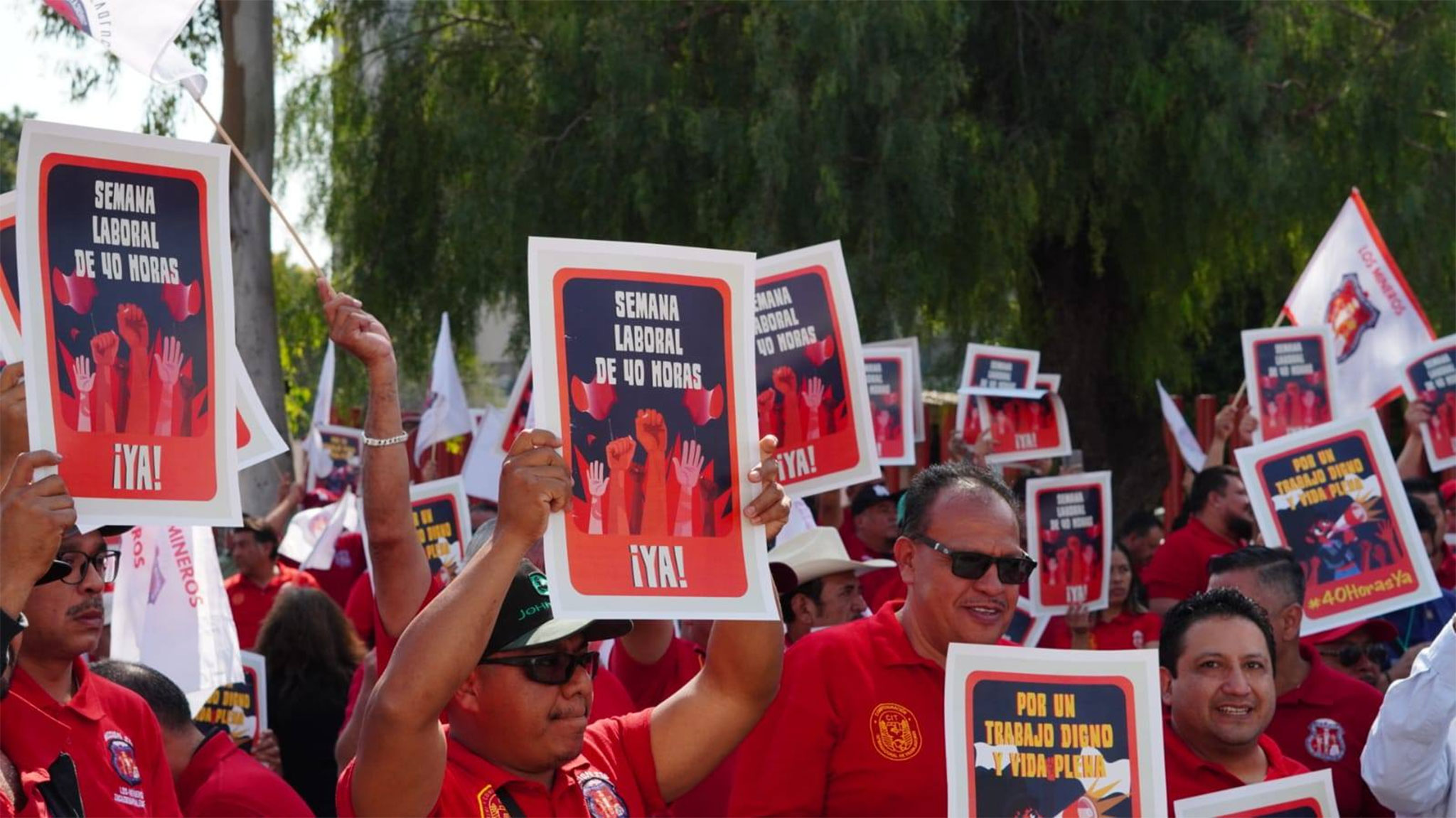
In this regard, Sheinbaum asserted that negotiations to reach a consensus on these reforms have not been easy because some of the main union organizations demanded that the 40-hour workweek begin in 2026, while there were sectors in the business sector that absolutely rejected the reform because it would affect companies.
However, the President said that other experiences around the world have shown that reducing the workweek to 40 hours has resulted in greater benefits for companies and workers, because it has increased productivity levels and, in some Nordic countries, even reduced it to 36 hours due to the results it had yielded.
She argued that international experience has shown these modifications do not entail significant costs for companies, even in sectors like hospitality. She emphasized the importance of achieving consensus on this reform, noting that other labor reforms have followed suit, such as extended vacation time, the elimination of outsourcing, profit sharing, the “chair law” (a law regulating employee benefits), and reduced commissions for pension fund administrators (AFORES).
Bolaños commented that the decision to implement this reform gradually is in line with the recommendations of Convention 116 of the International Labour Organization. He noted that these changes will improve workers’ well-being by reducing health risks, decreasing fatigue, allowing them more leisure time, and promoting better nutrition.
-
Camino Rojo: Impunity & Reluctance
What special privilege do mining corporations (both national and foreign) enjoy in Mexico, where they get away with everything, even in these times when the law is supposed to be applied equally without exception?
-
Orla Mining: Investigate & Clarify
If it is confirmed that the Canadian mining company hired criminals to persecute its workers, the sanction cannot be limited to an administrative procedure, as this would allow companies to normalize fines as just another operating cost.
-
People’s Mañanera April 10
President Sheinbaum’s daily press conference, with comments on electoral reform, Barcelona reformist summit, electoral auditing, the economy, World Cup and former Michoacán governor Silvano Aureoles’ arrest warrant.