Recovering Mexico’s Bodies of Water: Essential & Preventive
This editorial by Iván Martínez Ojeda originally appeared in the October 14, 2025 edition of Rebelión. The views expressed in this article are the author’s own and do not necessarily reflect those of the Mexico Solidarity Project.
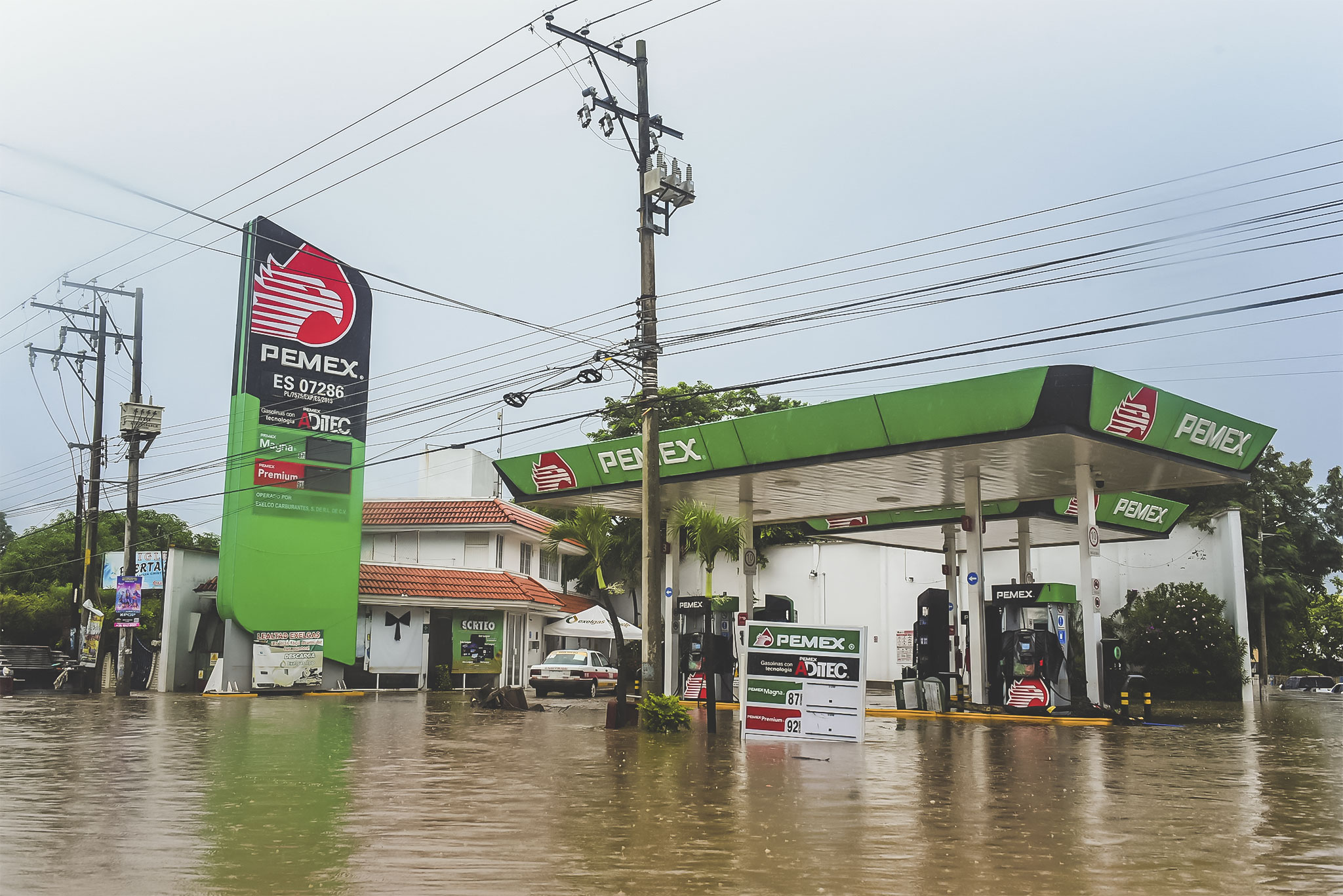
Floods usually occur due to the overflow of water caused by the collapse of a body of water. For example, a river overflowing during heavy rain, or an urban sewage canal overflowing. Floodwaters do not only come from rainfall generated above the flooded area. Let’s remember that the hydrological system is one and interconnected around the world. Therefore, the health of the hydrological system in northern Mexico affects the hydrological health of southern Mexico. This is a fundamental characteristic of water that, however, we often forget.
Today, hydrological health is affected by various factors. One of them is the way hydrology is managed: rivers are diverted to accommodate crops or construction, they are drained due to excessive exploitation, they are dammed, and they are also contaminated with agrochemicals and industrial toxins. All of these impacts, which affect not only rivers but all bodies of water, affect their health and, therefore, their ability to retain and transport water without causing flooding.
It is right and necessary to swiftly launch a campaign to remediate these bodies of water; otherwise, the underwater tragedy we just experienced in the Huasteca region of Mexico will be repeated. Fortunately, we don’t have to start from scratch; numerous organizations and social movements are active right now, defending rivers from industrial pollution or the construction of dams, and promoting the recovery of urban rivers that have been channeled into pipes or converted into sewage canals. All of these efforts, in sum, represent a large part of the solution to the problem; however, unity and an end to hostilities toward land and water defenders are still needed.
The Observatory of Socio-Environmental Conflicts (OCSA) has documented a total of 193 socio-environmental conflicts triggered by megaprojects affecting water in Mexico between 2017 and 2023, including real estate developments, gas pipelines, highways, mines, breweries, wind farms, and, of course, dams. Since this assessment, there are more, so today the hydrological impacts have been fully identified.
But it’s not just about the health of water. Land and water are also interconnected. Therefore, impacts on the land, such as deforestation and soil damage from construction, impact its ability to absorb and retain water. The health of the Earth must be restored if we want to continue inhabiting this beautiful planet.
-
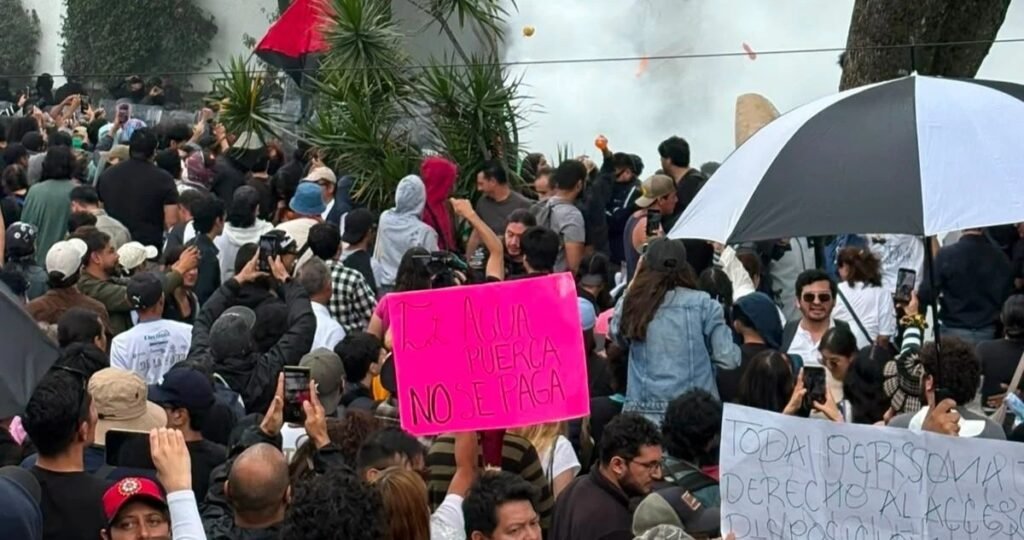
Thousands Demand Clean Water in Jalisco and Lemus Uses It to Repress Them
In Jalisco, governed by the opposition party Movimiento Ciudadano, police met the march with water cannons and tear gas, and protesters reported arrests and two people disappeared.
-
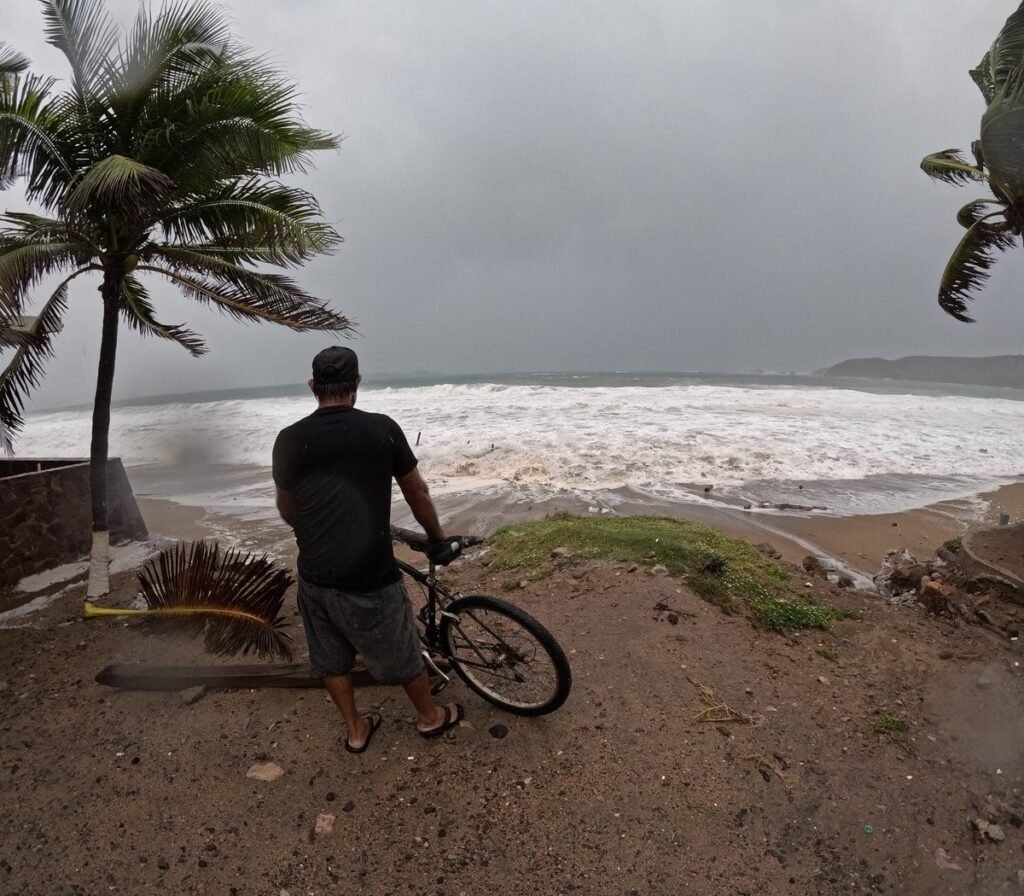
Hurricane Simon Paralyzes Towns and Highways in Jalisco Amid Forecast That It Will Make Landfall
With an erratic path, the Category 4 storm keeps the coast shut in under nonstop rain, though no casualties have been reported so far.
-
Mexican Book Fairs
“Book fairs in Mexico are among the great gatherings that speak of how a people nourishes itself on books,” observes Poniatowska.