Rural Rage
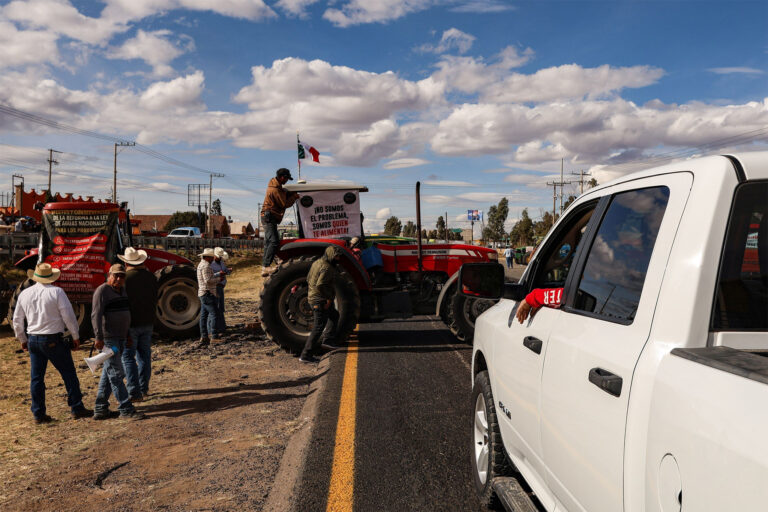
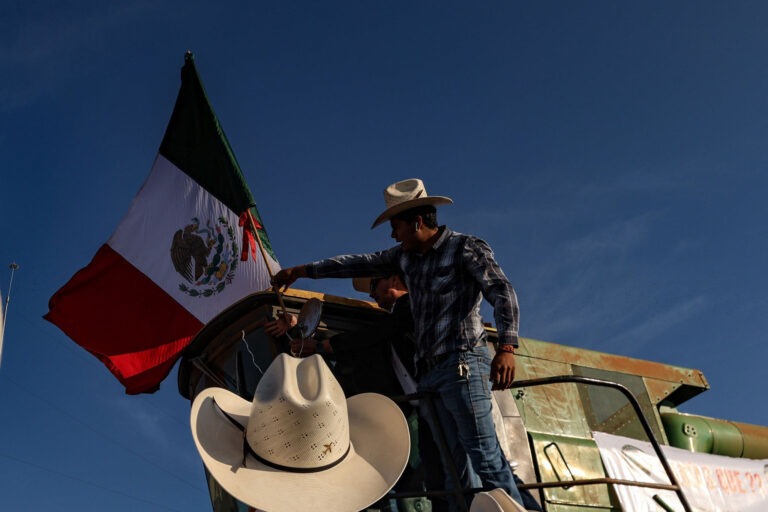
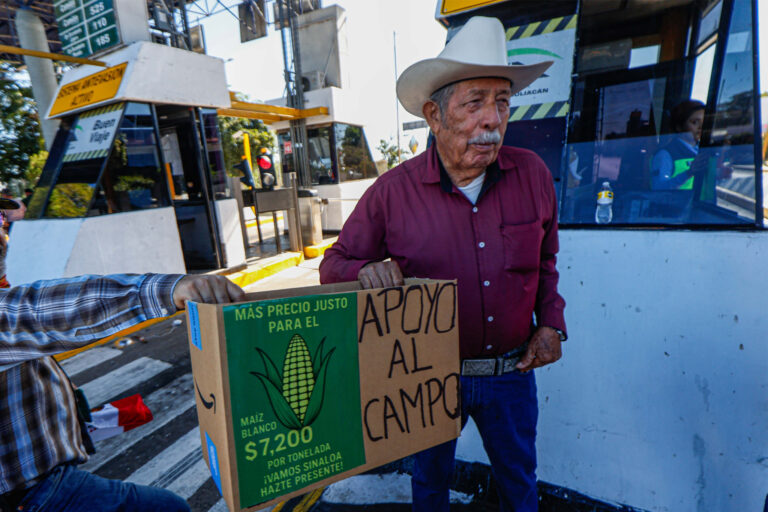
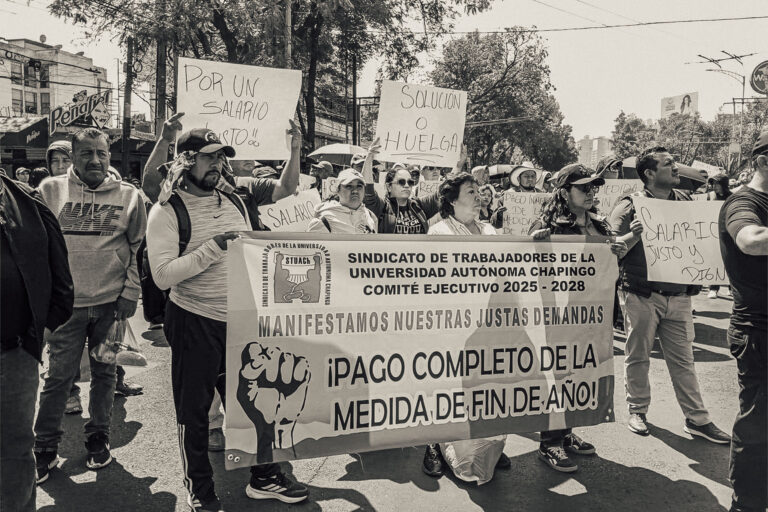
As Monday’s protests demonstrate, Mexican farmers are at a breaking point. Caught between the USMCA trade agreement and a wall of policies that ignore them, they are fighting for their survival. Their anger will not subside anytime soon.
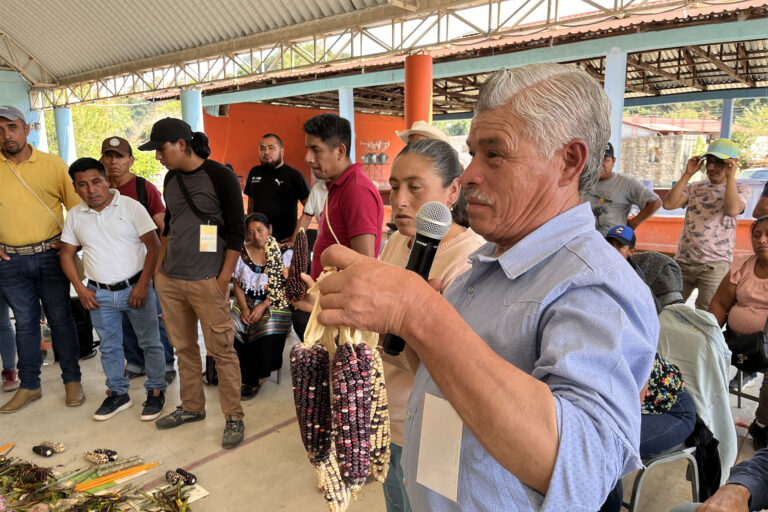
“We’re all worn out from working so hard, while you support businessmen who earn billions!,” exclaimed Salvador Ruiz, a farmer from Jalisco, to the Agriculture Secretariat’s delegate.
Campesinos are demanding the federal government craft a sovereign agricultural scheme & leave the speculative market of the Chicago Stock Exchange, which forces prices well below production value.
Maseca, Minsa, Bachoco, Keken and Crio executives, who import corn from US, also failed to show up to the meeting despite promises from the government.
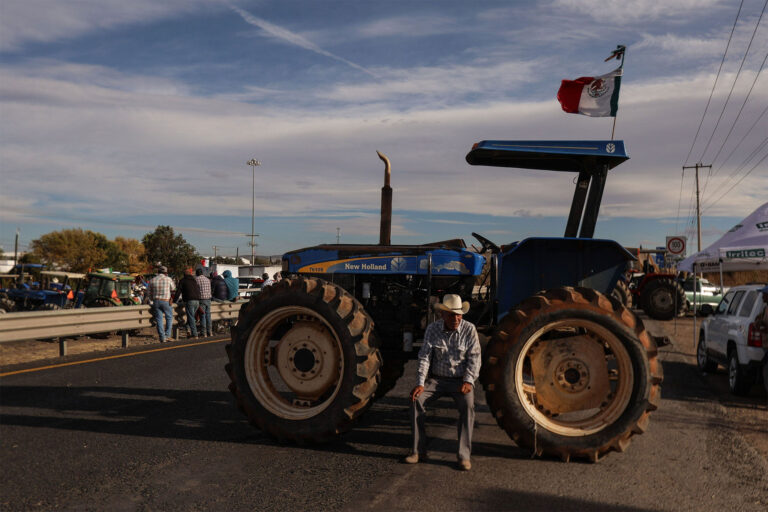
Heavily subsidized corn from the US is flooding the market, destroying farmers’ livelihoods and leading to country-wide strikes & blockades as the government’s stated concern for food sovereignty is questioned.
The unsuccessful meeting arose after the government agreed to it to end a November 12th sugarcane grower blockade in Mexico City.
Mexico’s imports are equivalent to 48% of agricultural production, resulting in a year-on-year loss of food sovereignty and a greater dependence on capital inflows which benefits the financial sector at the expense of national public & private sectors.
Environmental deregulation, rural abandonment, speculative pricing, and the prioritization of property rights over human rights were central tenets of neoliberal economic policy, whose impact on Mexican farmers is now a subject of reflection in our country.
After 30 hours of protest, the sugarcane farmers lifted their blockade in Mexico City, signing a document that did not include their request for a 300 pesos per ton subsidy.
Farmers had planned to block customs & international bridges a week prior, but decided against it to avoid retaliation from the US government.