Teaching History in Mexico & Its Importance in the Teachers Movement
With the passing of Enrique Ávila Carrillo, one of the founders of the CNTE, the democratic Mexican teaching movement loses one of its most committed intellectuals.

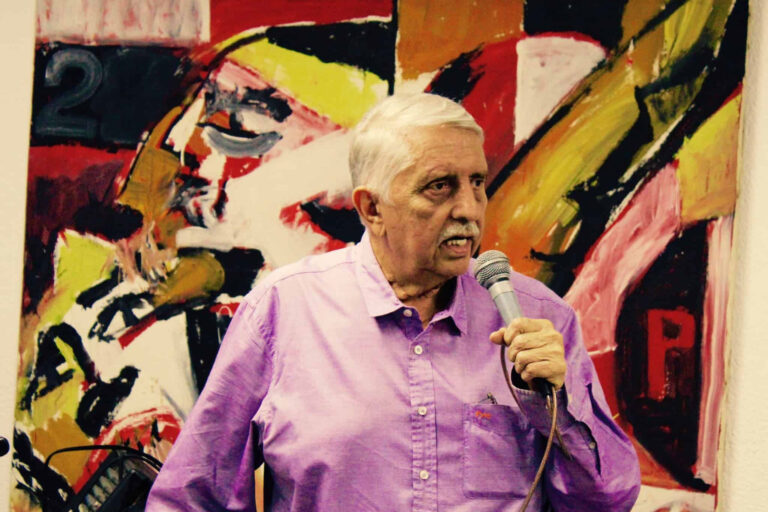
With the passing of Enrique Ávila Carrillo, one of the founders of the CNTE, the democratic Mexican teaching movement loses one of its most committed intellectuals.

Until this crisis is addressed at its root, public education will remain the weakest link in a chain of inequalities that can no longer tolerate excuses. Mexico owes its teachers much more than applause in the Zócalo: it owes them justice.
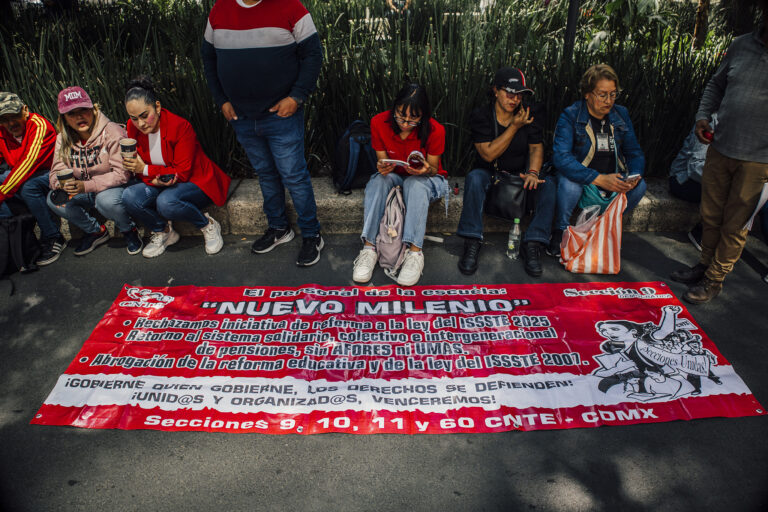
Photos of the Mexican teachers actions at private banks in Mexico City which manage workers pensions, whether anyone wants them to or not.
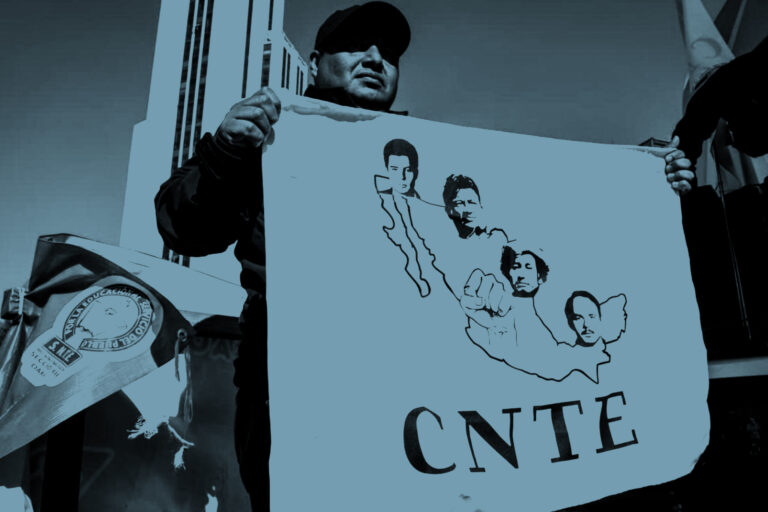
Today is the third and final day of the 72-hour teachers strike.
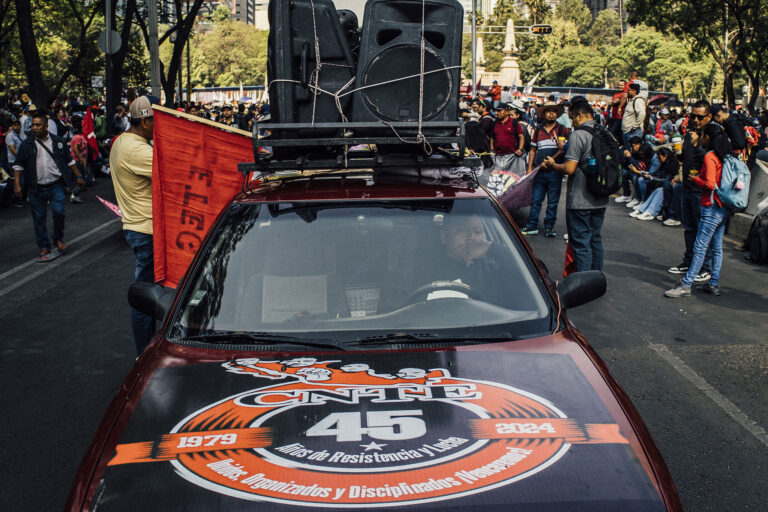
Teachers said they had met several times with President AMLO, who told them the ISSSTE Law couldn’t be repealed because they didn’t have a majority in Congress, “now they tell us it’s because there are no resources.”
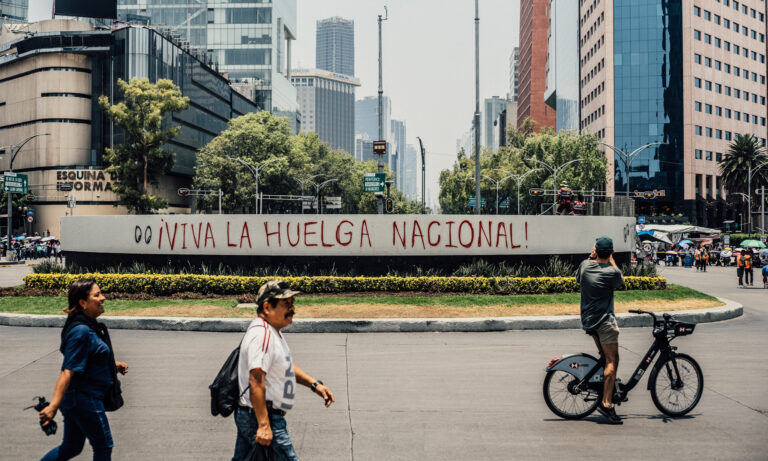
The striking teachers indicated that as part of their 72-hour National Strike, they will continue protesting the Mexican government’s failure to comply with agreements reached in tripartite meetings and to demand repeal of the 2007 ISSSTE Law.
The union emphasized their demand is that “the negotiation table be resumed with President Claudia Sheinbaum Pardo, who has failed to keep her promise to repeal the 2007 ISSSTE Law.”
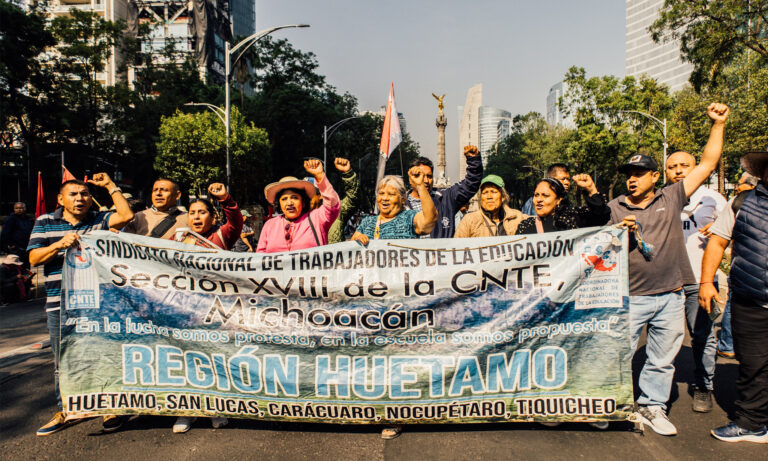
President Sheinbaum said that education officials will address demands that are “feasible to meet.”

The CNTE urged unions and workers to join actions to demand repeal of the 2007 ISSSTE Law, & for the defense of a social security system that “provides all with health services and decent pensions.”

Section 9’s General Secretary said a strike during the World Cup could be avoided by President Sheinbaum keeping her promise to repeal the 2007 ISSSTE Law and meeting other demands.