Kimberly-Clark, Pepsi & Truper Charge Truckers for Narco Blockade Delays
Corporations stop paying for trips worth 10,000 pesos and others try to charge 1,000 pesos for each hour of delay, even when it’s due to acts of violence.

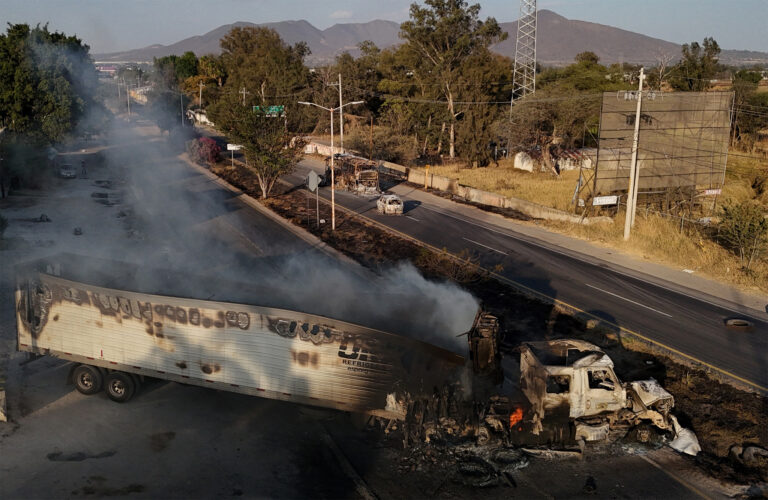
Corporations stop paying for trips worth 10,000 pesos and others try to charge 1,000 pesos for each hour of delay, even when it’s due to acts of violence.

Mexico’s workweek debate must focus on the workers who have “phantom” families because their time with their children is consumed by the need to maintain their jobs. It is the two days of rest for these sectors that must be debated.

President Sheinbaum’s Comprehensive Plan to Support National Cinema arrives as public film workers raise the alarm over unpaid wages and illegal, informal labour conditions.

However, nearly one in three people still did not have sufficient income to cover the basic basket of goods.
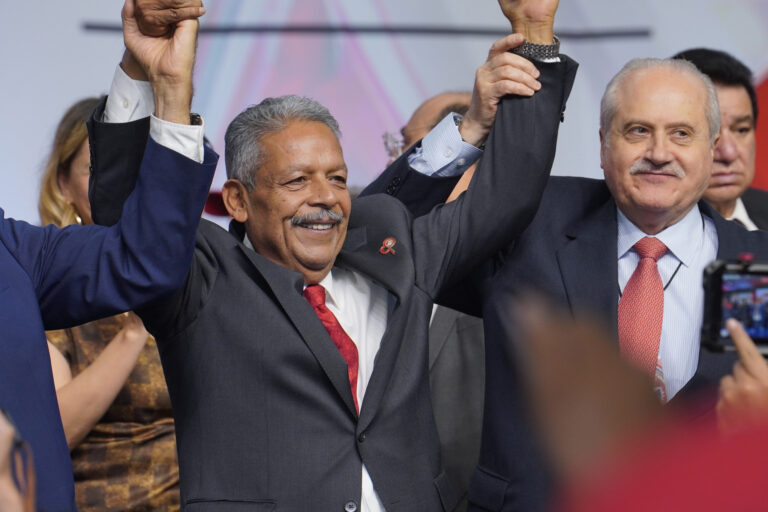
The new President of Mexico’s largest labour federation made a contradictory speech, on one hand declaring the end of corporatism, and the other disavowing protest and vowing to serve Mexico’s productive sector to an audience which included COPARMEX’ President.

Mexico’s historic labour unions are trying to re-align themselves with the Fourth Transformation while the PRI continues sinking.
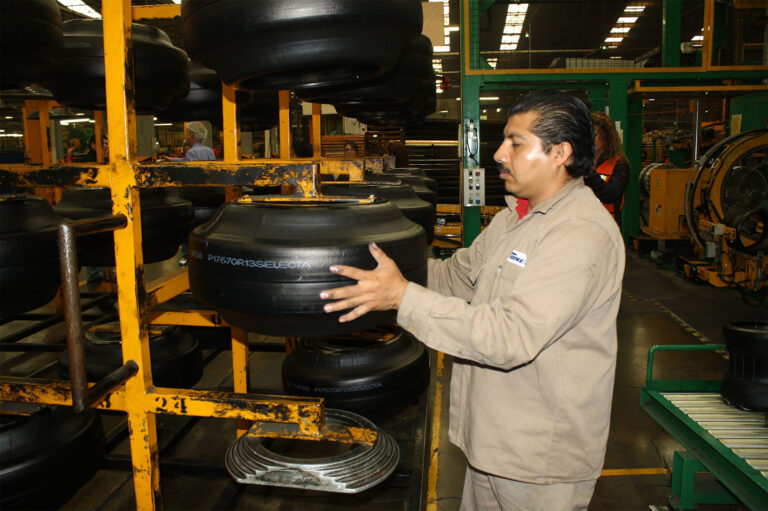
The union say the strike stems from systematic and repeated violations of their collective bargaining agreements and an unsuccessful application of the USMCA Rapid Response Mechanism.
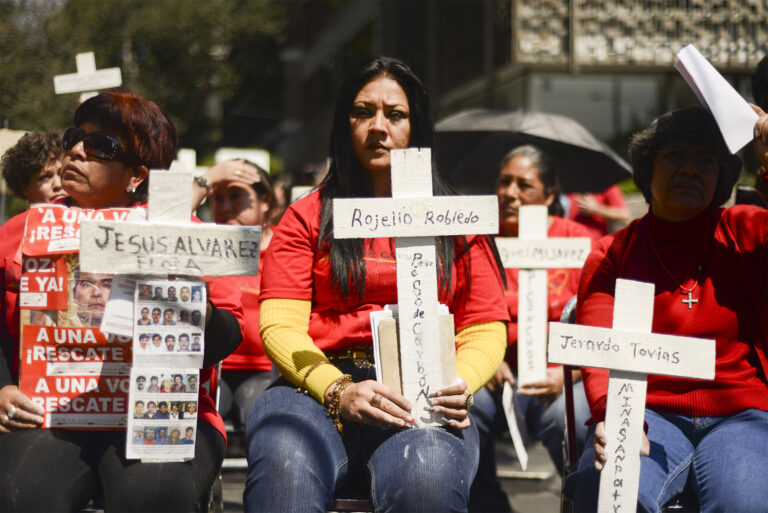
Two decades since 65 miners lost their lives, families continue to demand justice. Not all the bodies have been recovered, nor has Grupo México been fully held accountable.

Between October 2024 and August 2025, the first year of the current local administration, the Labor Secretariat carried out only 592 workplace visits.
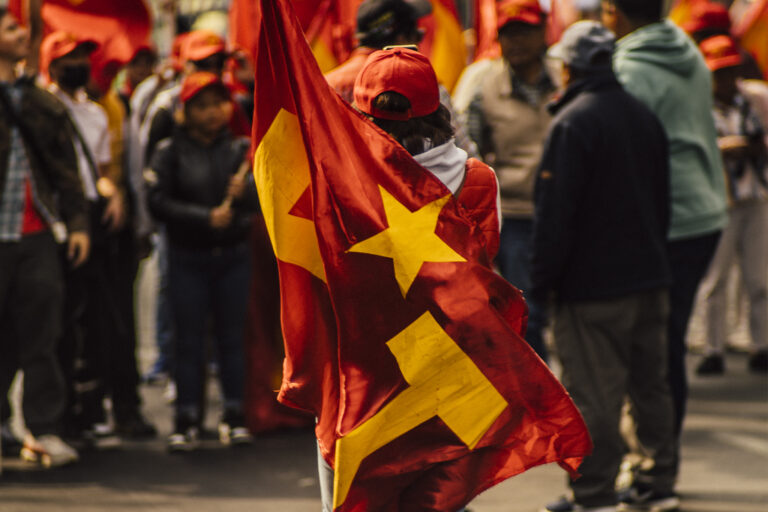
The deputies propose to reform Article 123 of Mexico’s Constitution to guarantee the right of two days of rest for every five days of work.