
Workweek Reform Lowers Overtime Pay
“As it stands, the reform gives employers tools to extend the workday more cheaply than before,” labour specialist Loyo concluded, opening the door to an effective 52 hour work week.
After a four and a half year fight, SITRABICS was recognized as a union of transport workers in the supply chains in Mexico & the US.
Workers Party Senator Gonzalo Yañez stated all arguments in favor of the reform are undermined by the issue of overtime pay & complained that initiatives presented by PT legislators had not been taken into account. Nevertheless, he said, they would vote in favour.
“Our struggle is legitimate; we are not asking for privileges or luxuries, only better working conditions and job security. We also seek dialogue. This situation has become unsustainable.”
The leadership of Mexico’s largest trade union federation has traditionally, and controversially, been a lifetime position.
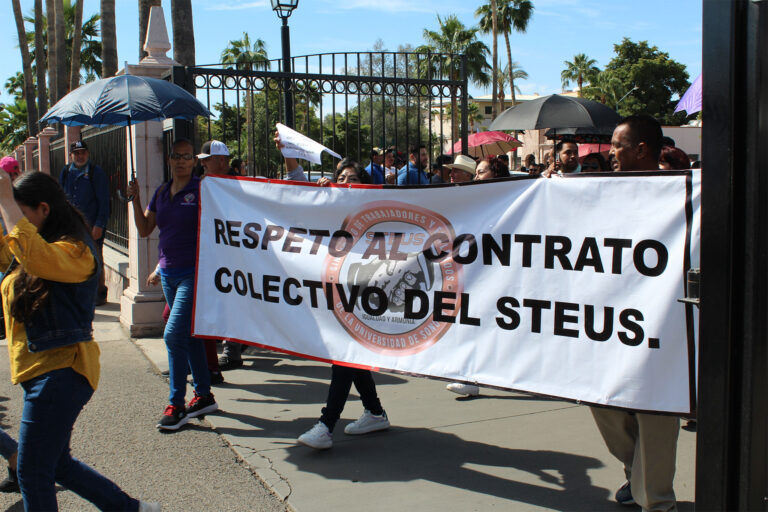
Workers in Obregón City, Sonora affiliated with Frente Unido Section 27, supported by SINAGA.
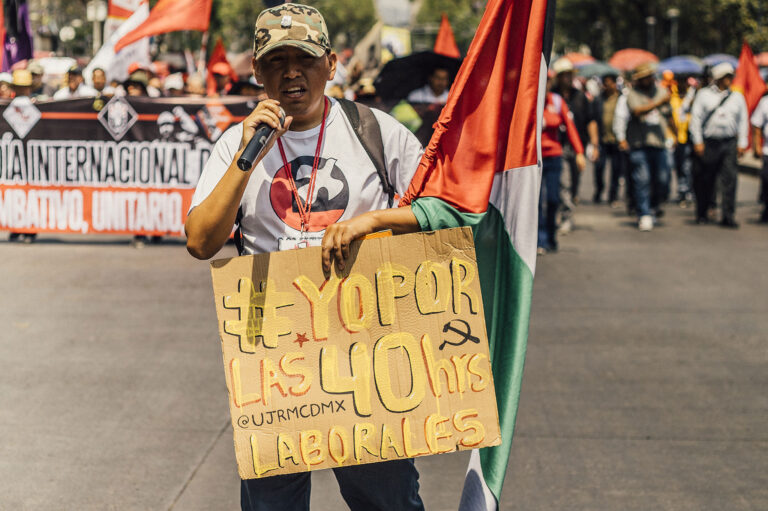
Mexico’s 40 hour workweek will only come into effect in 2030, critics say the legislation opens the door to 12 hour workdays and reduced overtime pay.
Dozens of consulted workers agree on a pattern: overtime is not negotiated, it is ordered and refusing it usually results in veiled threats, shift changes, pay cuts or disguised firings.
Workers are demanding that platform companies implement real protocols against violence, with effective sanctions & a guarantee that “reporting will not bring us algorithmic punishments.”
Mexican workers with 30 years of seniority were told by the legal advisors of the US autoparts company that “there was no money to pay salaries or continue operations.”