USMCA Review Needs to Include More Than Just Corporate Interests
Mexico’s Economy Secretary Ebrard has cancelled social organization consultations and adopted a rhetoric of supplication towards corporate interests in advance of the USMCA review.


Mexico’s Economy Secretary Ebrard has cancelled social organization consultations and adopted a rhetoric of supplication towards corporate interests in advance of the USMCA review.
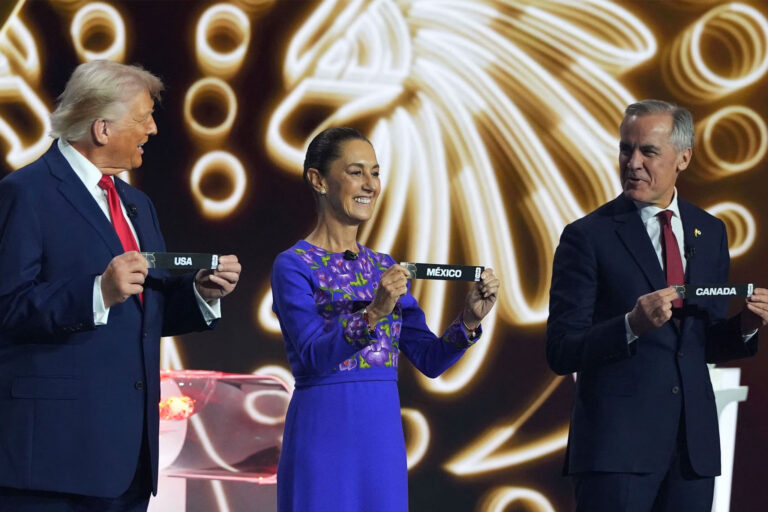
Canada has begun to make moves (such as rapprochement with the People’s Republic of China), but Mexico is clinging to the USMCA: all its eggs in one basket, something that, given the frenzied dynamic imposed by Trump, doesn’t seem to be the wisest course of action.

If public investment continues to decline, the economy & employment will be highly vulnerable, and the foundations for sustained growth will not be laid. At best, we will remain a vast assembly plant; at worst, a country without decent employment opportunities.

Campesinos, who shut down border crossings and major highways twice last year and face ruin due to the dumping of US crops, believe the government is sacrificing Mexican agriculture in order to secure a USMCA deal.
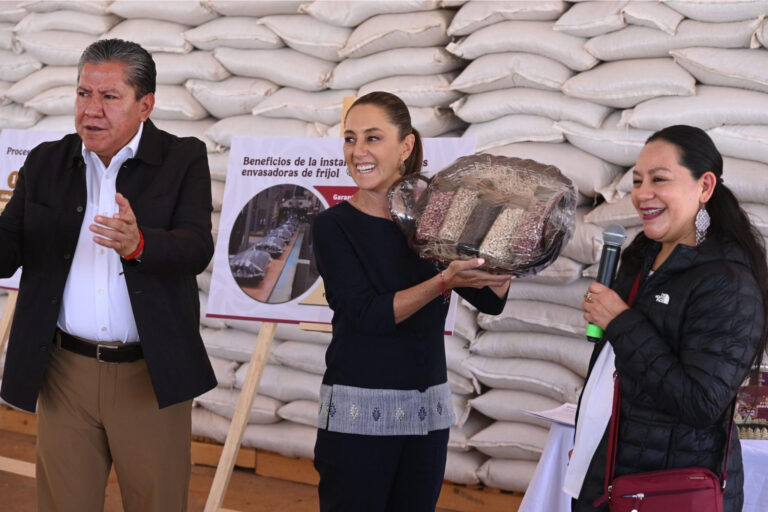
Farmers are guaranteed a price of 27 pesos per kilo from the federal government centers, compared to the 7-12 pesos that intermediaries or coyotes pay them. But there’s one catch: they aren’t operating.

Mexico is facing a race against time to strengthen not only energy sovereignty, but also energy security in a period of intensified US imperialism.
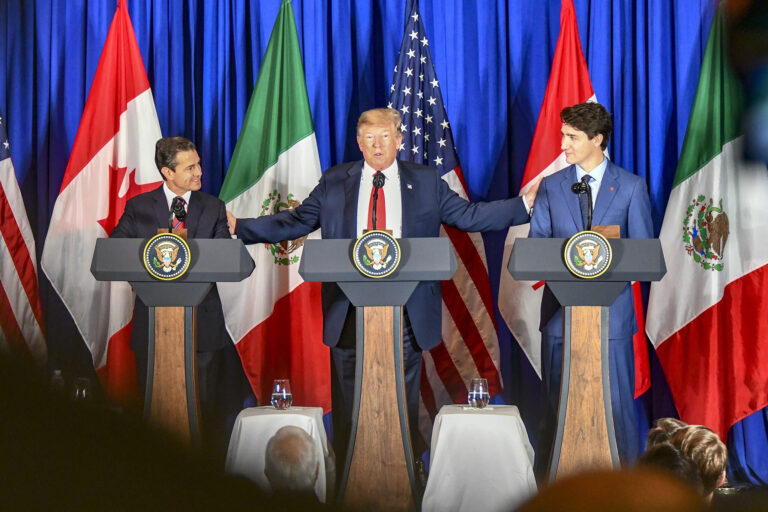
Transnational corporations won in both NAFTA & the USMCA, and Mexico is not prepared to face the greater demands the US will impose in its favor for the continuation of the USMCA or in a new trade agreement.
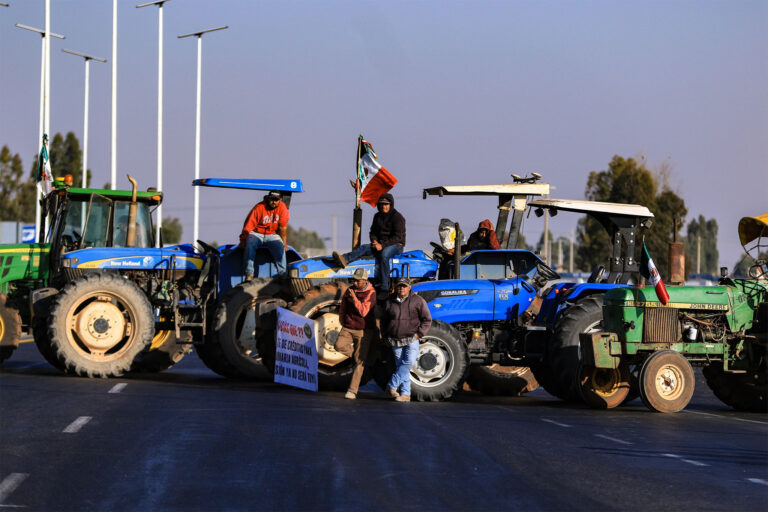
As Monday’s protests demonstrate, Mexican farmers are at a breaking point. Caught between the USMCA trade agreement and a wall of policies that ignore them, they are fighting for their survival. Their anger will not subside anytime soon.
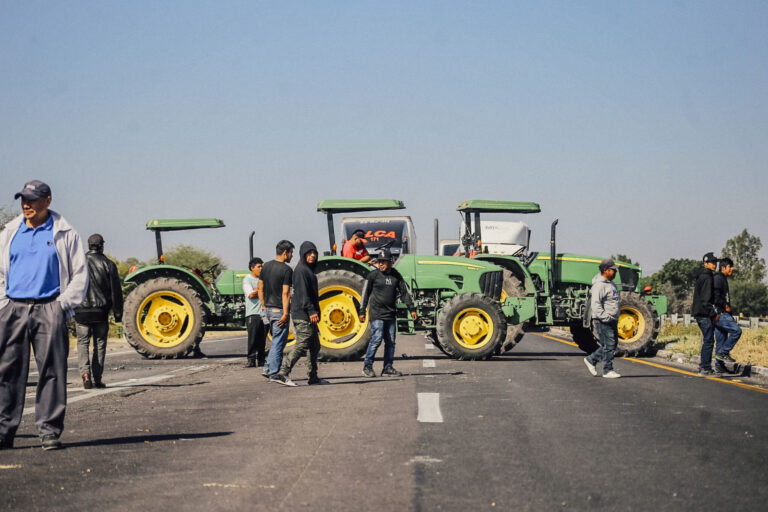
Mexico’s farmers strike has not ended, as the government has only negotiated with certain producers over issues such as a low price for corn which benefits monopolies and the destruction of food sovereignty initiated by free trade with the US.
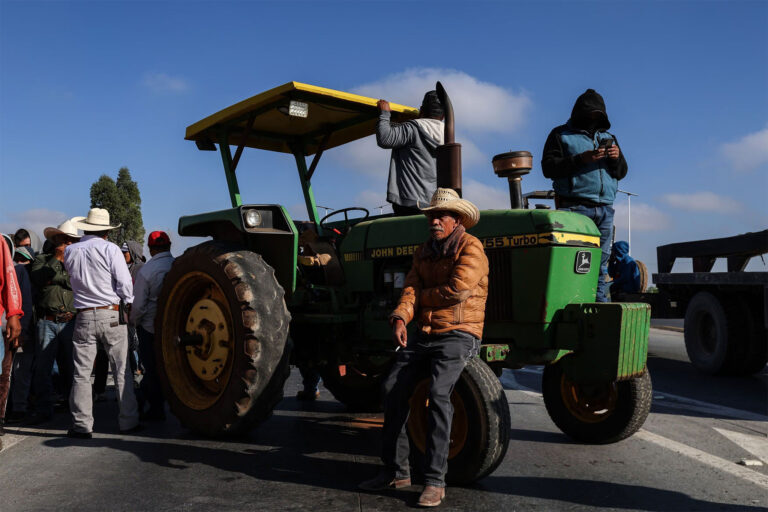
Producers did not agree to formalize the base price of 5,200 pesos offered by the government in this most recent national agricultural strike.