US Trade Rep Greer Makes Clear That Trump’s Tariffs on Mexican Companies are Here to Stay
Four industry sources familiar with the talks said tariffs on auto and steel, one part of Mexico’s economy with high domestic ownership, will remain.


Four industry sources familiar with the talks said tariffs on auto and steel, one part of Mexico’s economy with high domestic ownership, will remain.
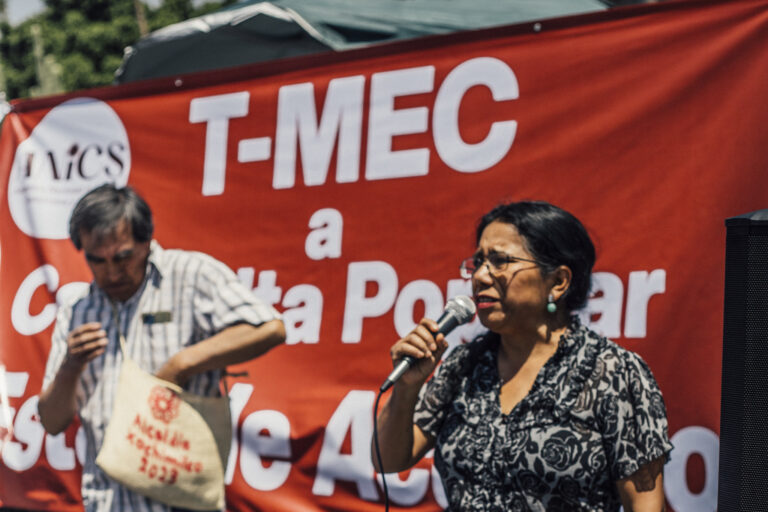
Our main trading partner is pressuring the Mexican government in several economic areas, including digital payment services and intellectual property, seeking to gain ground for US companies.
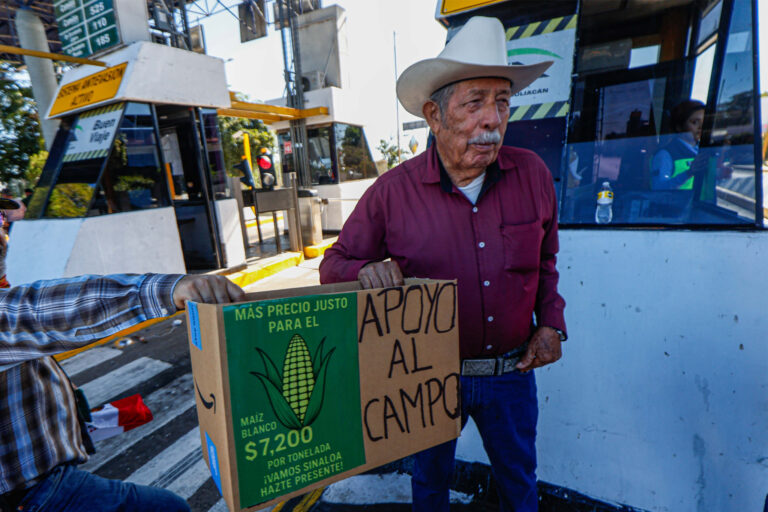
What can the phrase “Without corn, there is no country” mean when domestic corn production is on its last legs in the face of US dumping and the state’s inability to fight neoliberal free trade?
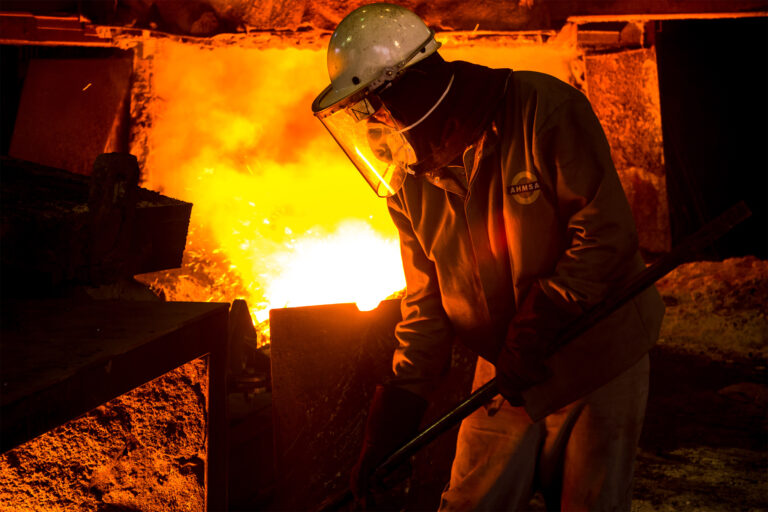
The Mexican President said that lowering or eliminating tariffs is part of the discussion with the US, but not yet reflected in reality.
Mexico is beginning to adopt positions compatible with U.S. priorities not through sovereign decision, but due to the constraints of its own integration.

The objective of the mobilizations is to pressure large importers & grain buyers, who buy subsidized US imports instead of national production.
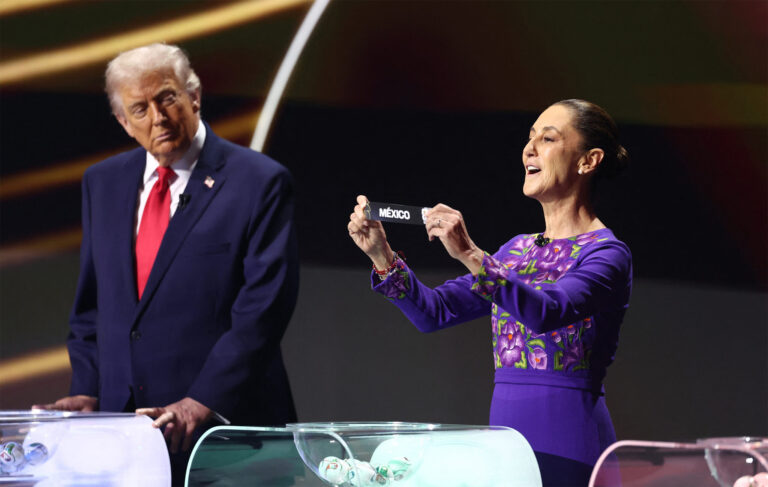
US officials say the investigation will examine whether certain industries in Mexico are producing more goods than domestic demand can absorb and exporting excess supply into the US market.

Mexican sugar exports face quotas in the US, but US corn syrup and high fructose corn syrup have no import restrictions in Mexico, a situation even worse than the original NAFTA agreement.
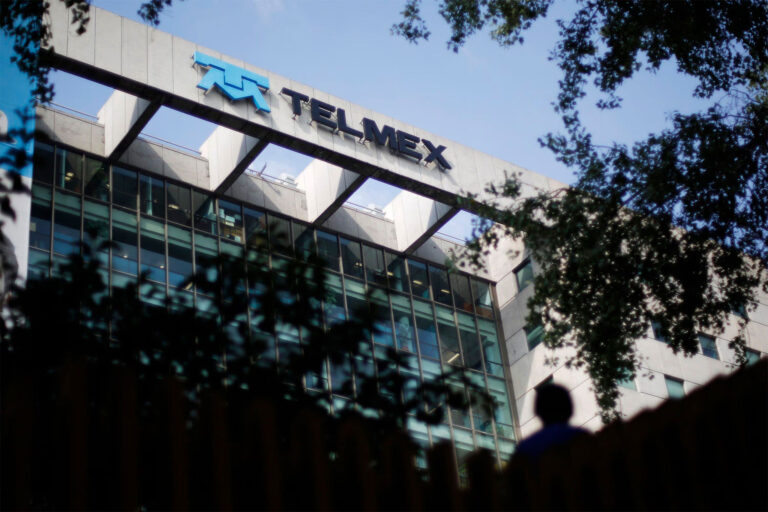
Previously public owned, Telmex is one of Mexico’s largest telecommunications companies, and has been identified by the Trump administration as a barrier to US entry into the Mexican market.
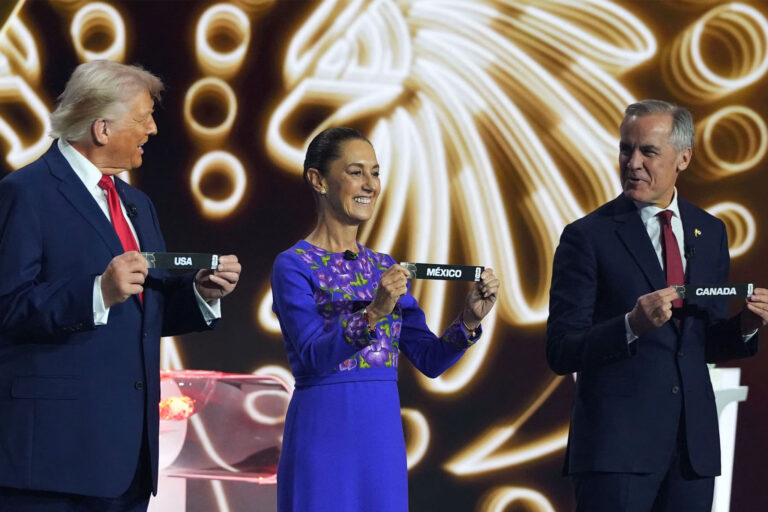
Mexico is both at the table and on the menu, as the US pressures Mexico to open up strategic sectors that had been recovered since AMLO’s election.