USMCA is “dead, it no longer exists.”
UNAM’s Enrique Dussel Peters warned that it will be replaced by an American tactic of bilateral blackmail & that if Mexico unilaterally imposes tariffs on China, Mexico “is heading towards a dead end”

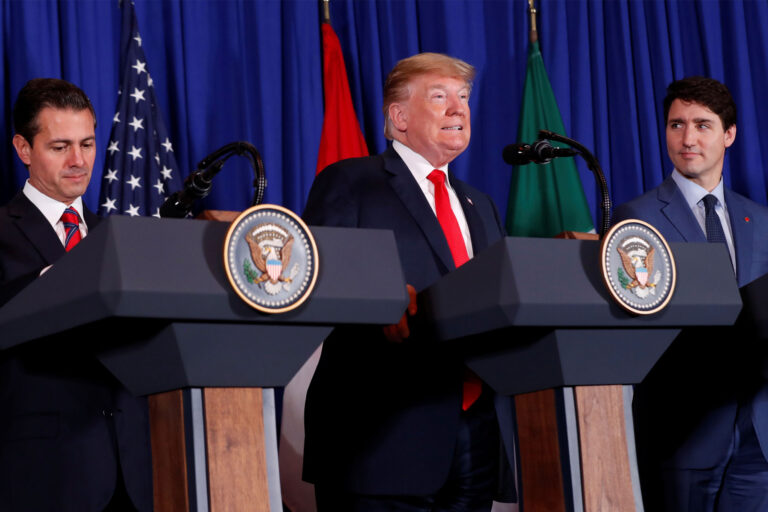
UNAM’s Enrique Dussel Peters warned that it will be replaced by an American tactic of bilateral blackmail & that if Mexico unilaterally imposes tariffs on China, Mexico “is heading towards a dead end”
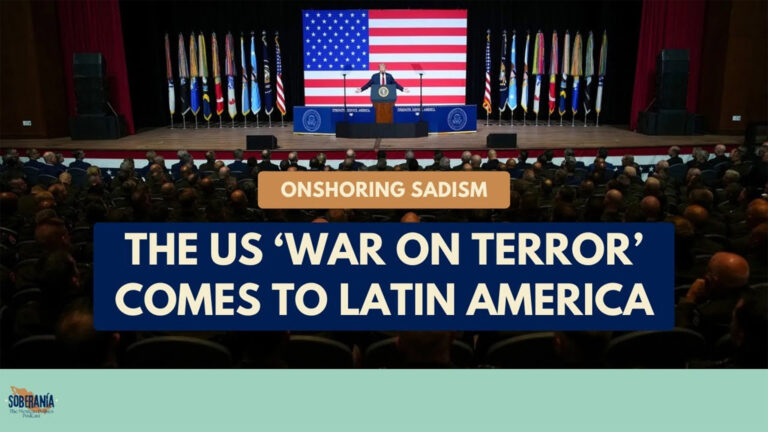
The US’ War on Terror comes to Latin America, Mexican foreign policy & the Global Sumud Flotilla, USMCA bullying, national polling, and media spin from the LA & NY Times.
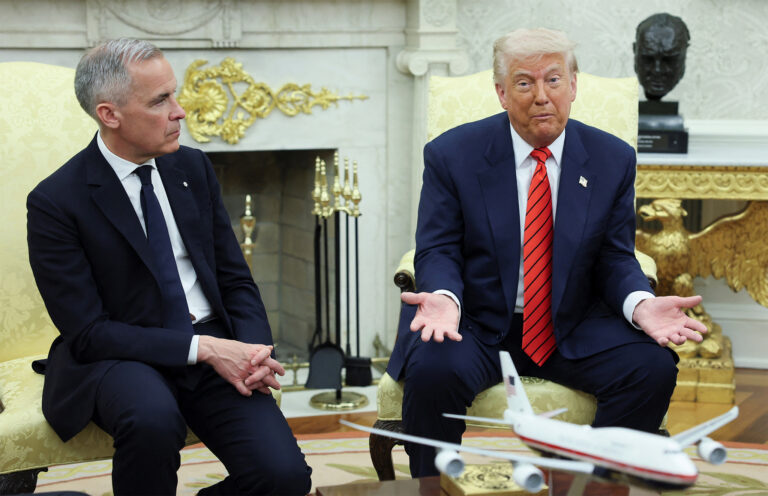
Separate agreements from the USMCA could prevent Canada & Mexico from working together to protect their own domestic priority areas such as public healthcare, generic pharmaceutical production, water, agricultural policy and natural resources.
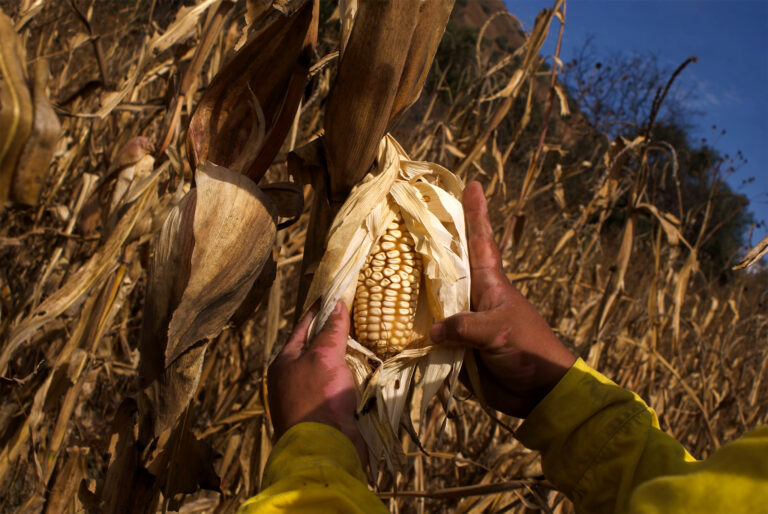
What’s the point of lowering inflation with cheap imported products that generate unemployed people who have no income to purchase cheap goods?
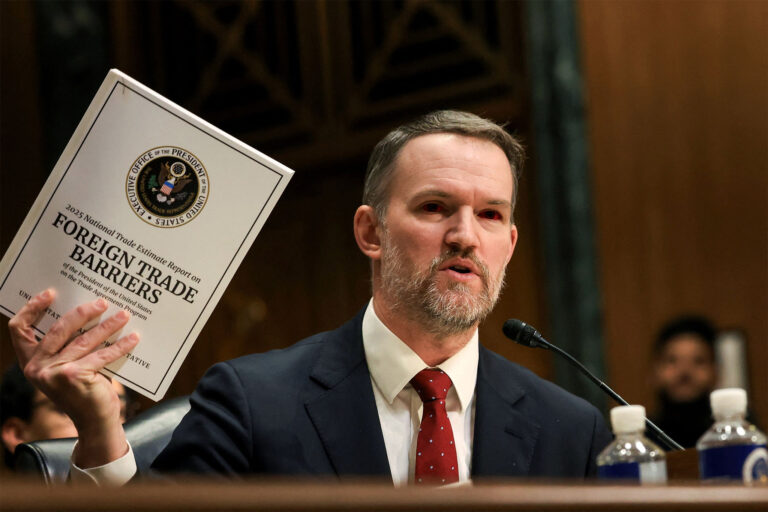
US Trade Representative Jamieson Greer stated that there will be no negotiations to extend or renew the USMCA while Mexico does not “comply” with the energy, telecommunications, agriculture, & other sectors.
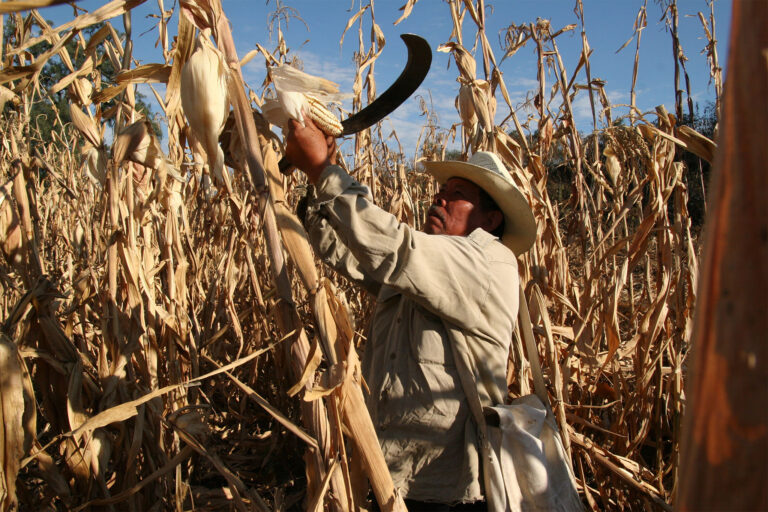
With the USMCA revision, Mexico will be even less self-sufficient in food as the US pushes for more imports and Mexico lacks a substantive policy to support and develop national agricultural production.
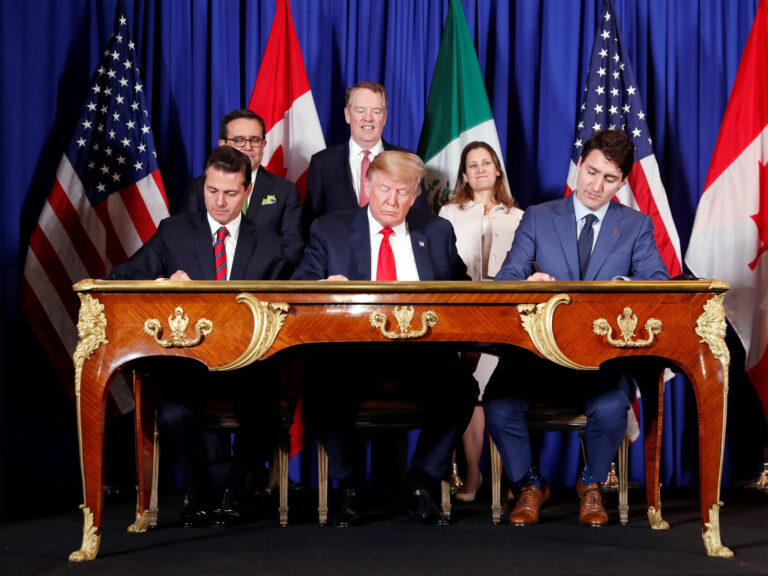
The history of NAFTA, and subsequently of USMCA, is the largest transfer of wealth from Mexico to the US in their shared history since the 19th century.
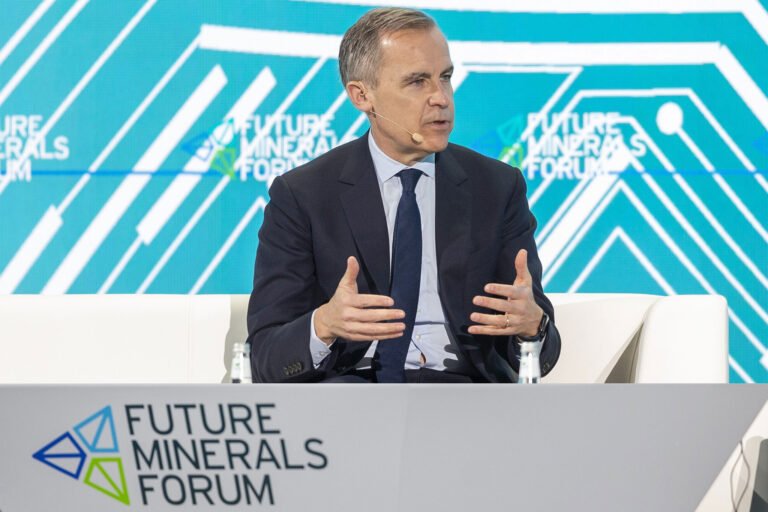
The Mexican government must navigate between the demands of large transnational corporations who look out only for their own interests, and those who have experienced the ravages of free trade and fight for alternatives to the neoliberal model.
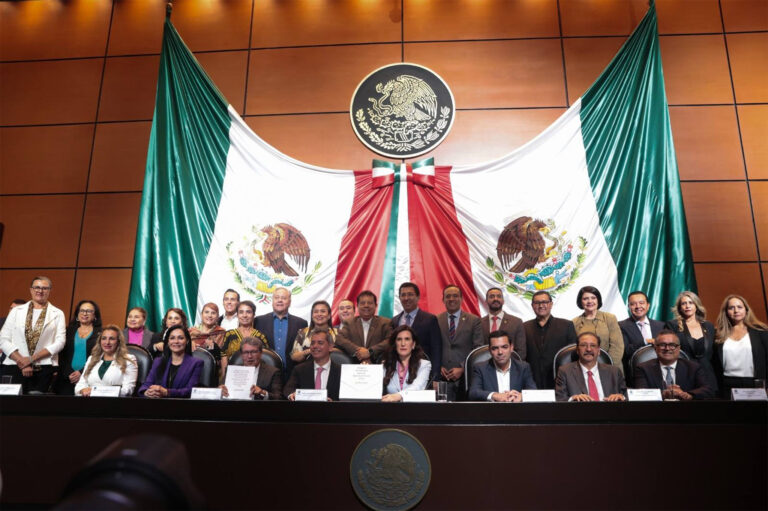
Mexico’s 2026 budget contains a 30% reduction in public investment in the first half of 2025 compared to the same period in 2024, and a fiscal policy that places discipline and debt reduction as guiding principles of public finance.
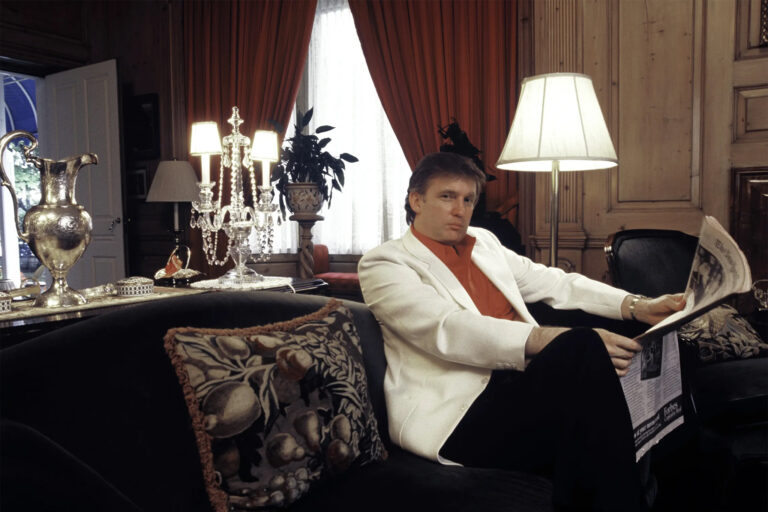
The deregulation sought by Trump would imply a setback in the defense of the national interest and openness to more U.S. investment, an acceptance of the dominance of colonizing neoliberalism.