The Diabetes-Cola Cup
This article by Alejandro Calvillo originally appeared in the February 21, 2026 edition of Sin Embargo.
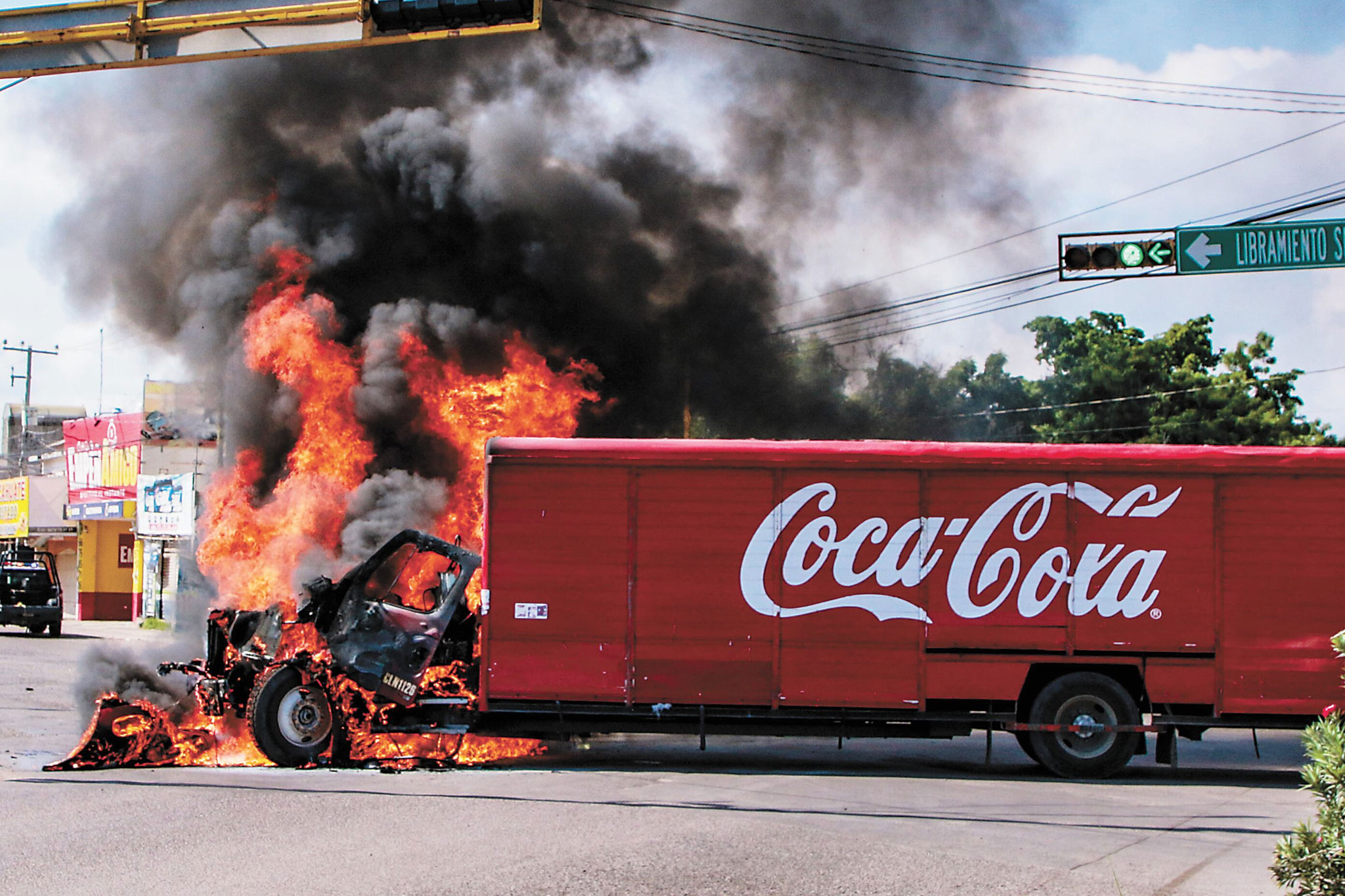
The Coca-Cola World Cup is coming to Mexico, the country with the highest consumption of this product and the greatest health problems caused by its high consumption. According to a study published in February 2025 in the scientific journal Nature Medicine, the consumption of these types of beverages in Mexico causes 169,425 new cases of diabetes and 60,850 new cases of cardiovascular disease each year. That is, 230,000 new cases of diabetes and cardiovascular disease are caused by the consumption of sugary drinks annually. Undoubtedly, this is the product that does the most damage to the health of Mexicans and is the main sponsor of the most-watched sporting event nationally and internationally.
Mexico City and the rest of the country are already being flooded with Coca-Cola’s first advertising campaign for the World Cup. Even in this initial campaign, which will be part of a long series of Coca-Cola World Cup ads, Coca-Cola has no qualms about breaking the law—violations we will discuss soon, once we have filed the corresponding complaints with the appropriate authorities.
In the most “Coca-colonized” country on the planet, the World Cup trophy will begin its journey across the land, emblazoned with the Coca-Cola logo on the front, back, top, and bottom, to generate and reinforce the idea that football is synonymous with Coca-Cola. If analyses conducted by psychologists and communications experts have demonstrated the degree to which children and adolescents have internalized the association of this product with Christmas and its symbolism, what is the impact on this population, and on the population in general, of associating this product with the World Cup? If a child sees Santa Claus drinking Coca-Cola, on the one hand, and on the other, the football and the trophy constantly appearing in association with the Coca-Cola logo, then: Santa Claus = Coca-Cola and Football = Coca-Cola.
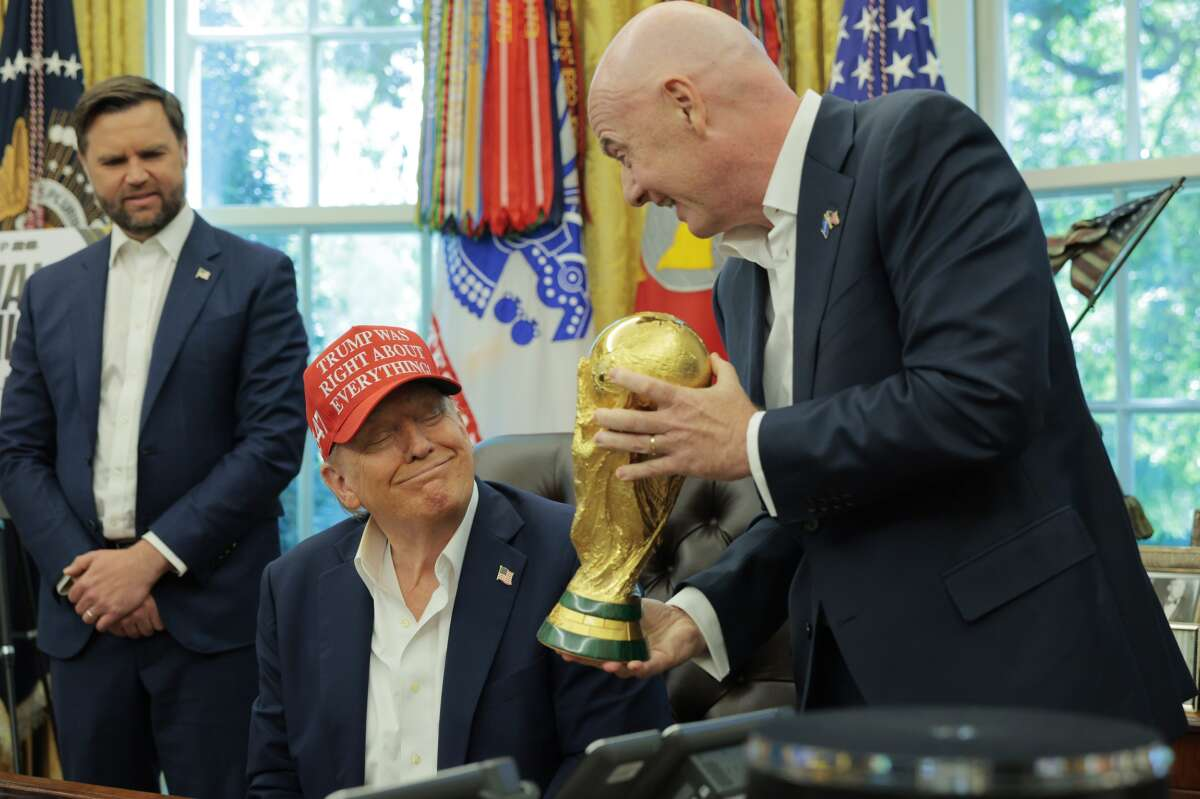
In this dystopian world, the construction of these toxic environments relies on corruption and the power of large corporations. In the case of FIFA, corruption is an integral part of the institution. One need only look at the recent actions of the organization’s president, Gianni Infantino, who, during the draw for the 2026 World Cup last December, awarded President Donald Trump the “new FIFA Peace Prize.” The creation of this “new prize” and its presentation to Trump were not consulted with either the FIFA Council or its vice presidents. Infantino had already violated FIFA’s code of conduct, which establishes the organization’s “political impartiality,” on several occasions, by supporting Trump for the Nobel Peace Prize and, on other occasions, supporting the President of the United States.
FIFA officials have ended up in jail, and their corruption scandals have been exposed by official investigations conducted by various countries. This corruption ranges from sponsorship deals with major corporations to broadcasting rights, where national and regional football federations themselves have been implicated in schemes involving hundreds of millions of dollars.
What comes last here is ethics, the public interest, and health. Public criticism of linking sporting events to the consumption of unhealthy products, such as junk food, sugary drinks, and alcohol, has been ongoing for years. At one point, McDonald’s sponsorship of the Olympics, which had been in place for several years, was successfully terminated. McDonald’s sponsorship of the Olympic Games lasted 41 years, beginning in Montreal in 1976 and ending in 2017, bringing forward the termination of its contract, which was originally scheduled to run until 2020.
The International Olympic Committee (IOC) faced criticism for associating sport and health with the fast-food brand. McDonald’s withdrawal was presented as a mutual agreement, as well as a decision by the corporation; however, IOC officials commented that they were under considerable pressure to end the sponsorship. We know that FIFA, due to its serious corruption problems, is reluctant to end its sponsorship of Coca-Cola.
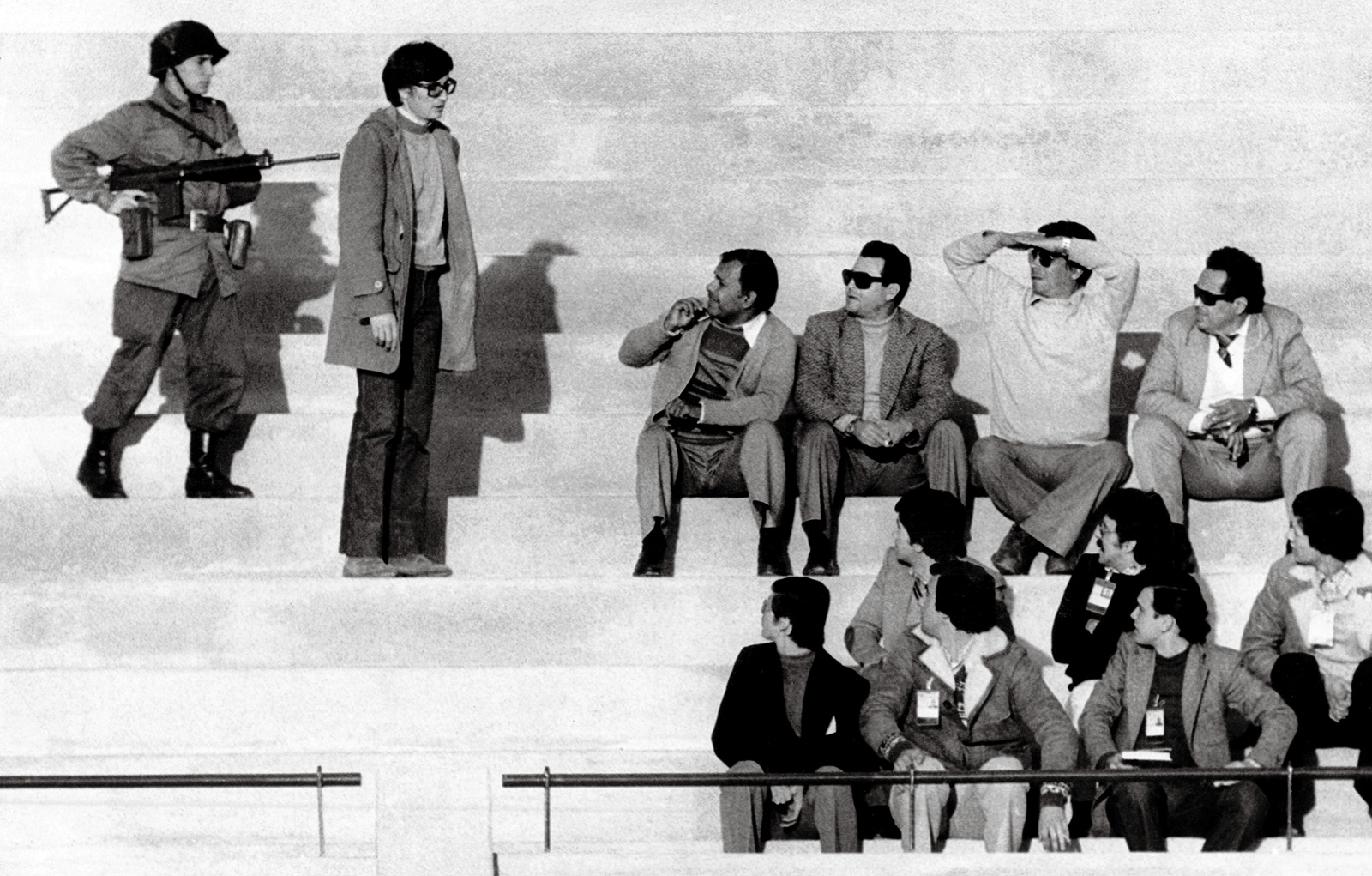
Coca-Cola began sponsoring the World Cup in 1978 in Argentina, and its contract expires in 2030. Coca-Cola’s involvement in the World Cup began with its presence in stadiums and advertising in each host country; then, in 1978, it formally became a part of the event, culminating in 2006 with the organization of the 2006 FIFA World Cup Tournament Tour. This involvement has led to the participation of government officials in promotional events for the Cup, which are, therefore, promotional events for Coca-Cola.
In the case of Mexico, the agreement signed with FIFA to host the World Cup in the country is a legacy of Enrique Peña Nieto’s administration, a government very close to the company. Officials from that administration, including those in the health sector, work for the company or hold positions where the soft drink giant has strong ties and interests. This situation has led Claudia Sheinbaum’s government to coordinate activities with FIFA and Coca-Cola, while simultaneously strengthening policies to reduce consumption of this product, increasing taxes and regulating its presence in schools.
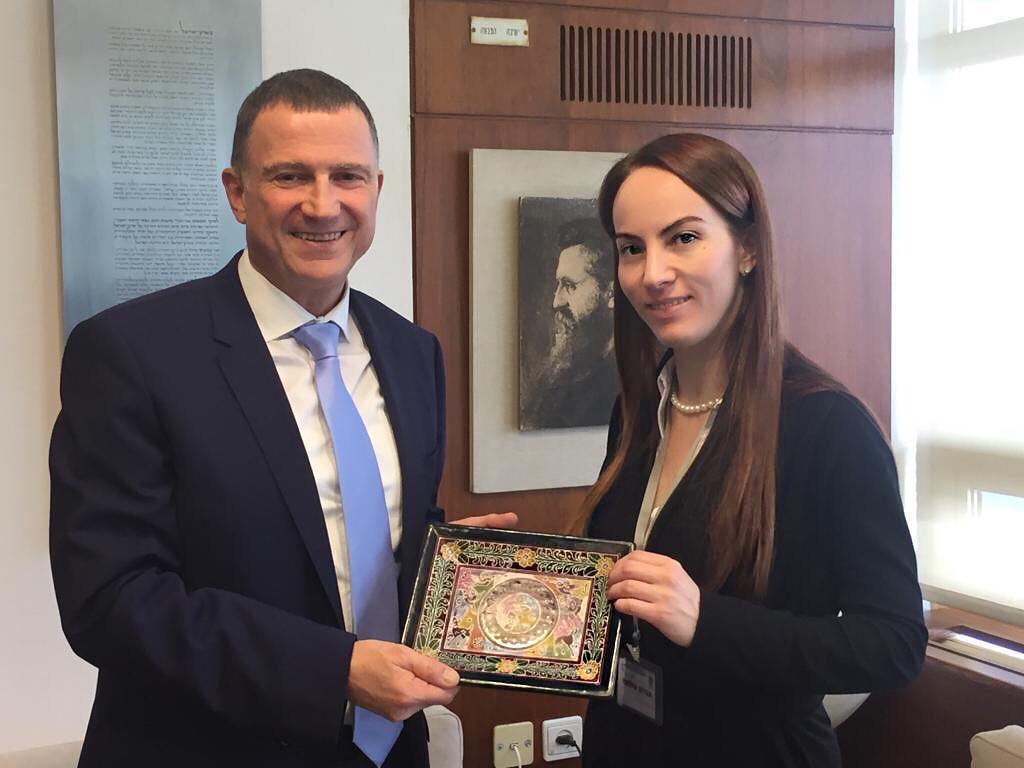
Gabriela Cuevas, the Mexican government’s designated representative for the World Cup organization, has even worn a Coca-Cola hat at promotional events—events that are also essentially advertising campaigns for the company. The Mexican government, already grappling with an epidemic of diabetes and cardiovascular disease, one of the main causes of which is the consumption of sugary drinks, faces a daunting challenge having inherited this event, which serves as the largest advertising platform for these products.
For now, the government must not allow its advertising campaigns to violate the law, and for our part, we must ensure that no product of this type, or any other that harms health and does not contribute to the well-being of the population, participates in the sponsorship of sporting events to disguise and normalize its consumption.
Alejandro Calvillo is a sociologist and director of Mexico’s El Poder del Consumidor, was a founding member of Greenpeace Mexico, is a member of the Obesity Commission of The Lancet and serves on the editorial board of World Obesity, a publication of the World Public Health Nutrition Association.
-
President Sheinbaum: Unlikely the Right Wing Will Return to Power in Mexico
The Mexican President indicated that the financial outlook is positive for the country, which demonstrates the viability of its economic model.
-
EZLN: The Nation-state No Longer Has Decision Making Power
“Sovereignty is a bad joke. They can’t say that Mexico is sovereign, even if they say so on the Mañanera, if it can’t even decide whether to send oil to Cuba.”
-
Social Programs Will Cushion Impact of Global Chaos in 2026: Mexico’s Finance Secretary
By 2026, social program spending will reach nearly one trillion pesos, with the goal of sustaining the well-being of the majority of families.