
The Illusion of “Voluntary” Overtime
This editorial by Margarita Argüelles Gómez originally appeared in the February 8, 2026 edition of El Sol de Puebla. The views expressed in this article are the authors’ own and do not necessarily reflect those of Mexico Solidarity Media or the Mexico Solidarity Project.
Amid scandals surrounding the capture and pretrial detention of the man who claimed to be the mayor of Tequila, Jalisco, accused of working for the Jalisco New Generation Cartel, the controversial scene of the staffers cleaning the shoes of the Chief Justice of the Supreme Court of Justice of the Nation, and the resignation of Adán Augusto López as coordinator of the Morena party in the Senate, the upcoming debate in the Senate of the Republic, which affects the working lives of Mexicans, seems to have faded away.
On February 10th, as Oscar Cantón Zetina, President of the Constitutional Affairs Committee, announced, “The constitutional framework of a single mandatory day of rest will not be modified… it is not necessary, since the proposal is to maintain said day of rest and leave the decision to each productive sector regarding how the 40 hours are distributed. Therefore, this could vary between five days with eight hours, six days with fewer hours worked than currently, or, of course, opting for mixed schemes.” However, it will be the full Congress that must discuss it.
The Senator explained that they expect the “transition to be gradual.” To reach 40 hours in 2023, they will need to go from 48 hours in 2026, 46 in 2027, 44 in 2028, and 42 in 2029, allowing employees to adapt to shorter working hours with the same pay, without affecting productivity, and while maintaining only one mandatory day of rest per week. However, this was not the initial proposal.
Productivity seems to clash with this initiative, which, since its proposal by the president on December 3, 2025, “to ensure a viable transition for the productive sector and the maximum protection of the labour rights of Mexican workers,” has finally resulted in the ruling to modify Article 123, Section A, subsections IV and XI. Given this ruling, who truly values the right to two days of rest?
Overtime, triple pay, and Saturday bonuses are all under scrutiny. Many people, especially day labourers and factory workers, work 48-hour shifts with one-to two-hour commutes that consume their time for rest and family. They are practically never consulted about working overtime; they are simply forced to. Therefore, the reform will fall short for minimum-wage workers.
The debate must focus on the workers who represent the most disadvantaged segment of the population: women and men who have “phantom” families because their time with their children is consumed by the need to maintain their jobs. It is the two days of rest for these sectors that must be debated. A gradual implementation cannot wait for them.
Jobs can be categorized to avoid further labour injustices, those that are currently being championed but which don’t reflect reality. It’s true that some jobs in the bureaucracy, office work, involve no more physical effort than commuting, but there are others that are more physically demanding—including commuting—I’m referring to those who work for large companies, even multinationals.
I recommend a podcast on YouTube, “The 40-Hour Workweek Reform Trap: Reduction or More Exploitation?” which presents diverse realities, with an emphasis on the lives of workers—lives that are often invisible and have even ceased to be represented by unions that have profited from workers’ ignorance and need since revolutionary times, and which continue to remain passive. We shall see.
-
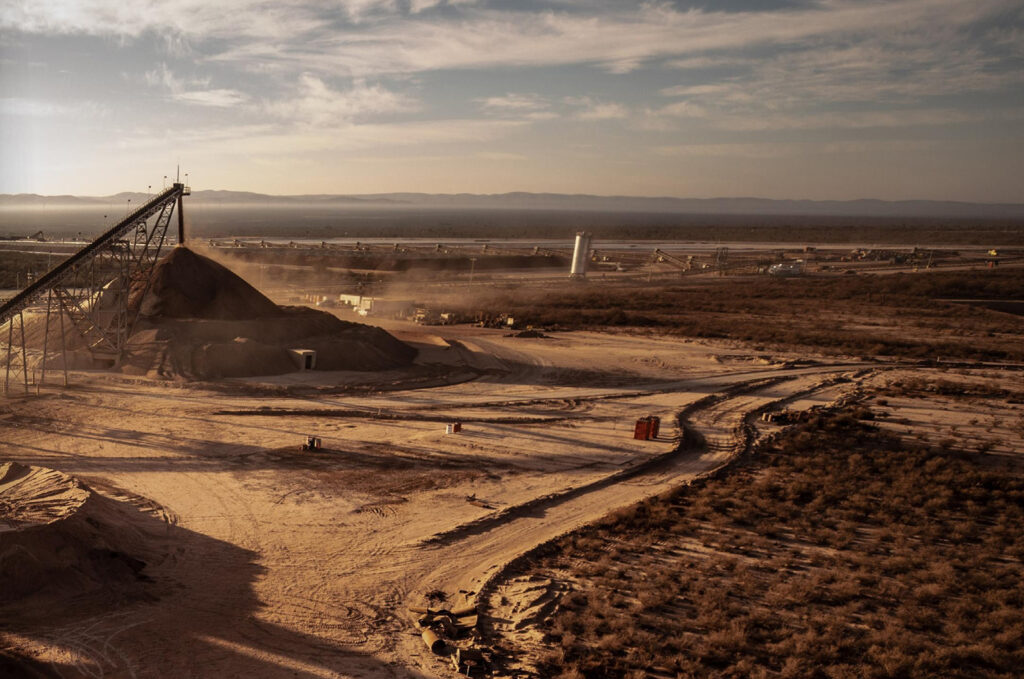
Camino Rojo: Impunity & Reluctance
What special privilege do mining corporations (both national and foreign) enjoy in Mexico, where they get away with everything, even in these times when the law is supposed to be applied equally without exception?
-
Orla Mining: Investigate & Clarify
If it is confirmed that the Canadian mining company hired criminals to persecute its workers, the sanction cannot be limited to an administrative procedure, as this would allow companies to normalize fines as just another operating cost.
-
People’s Mañanera April 10
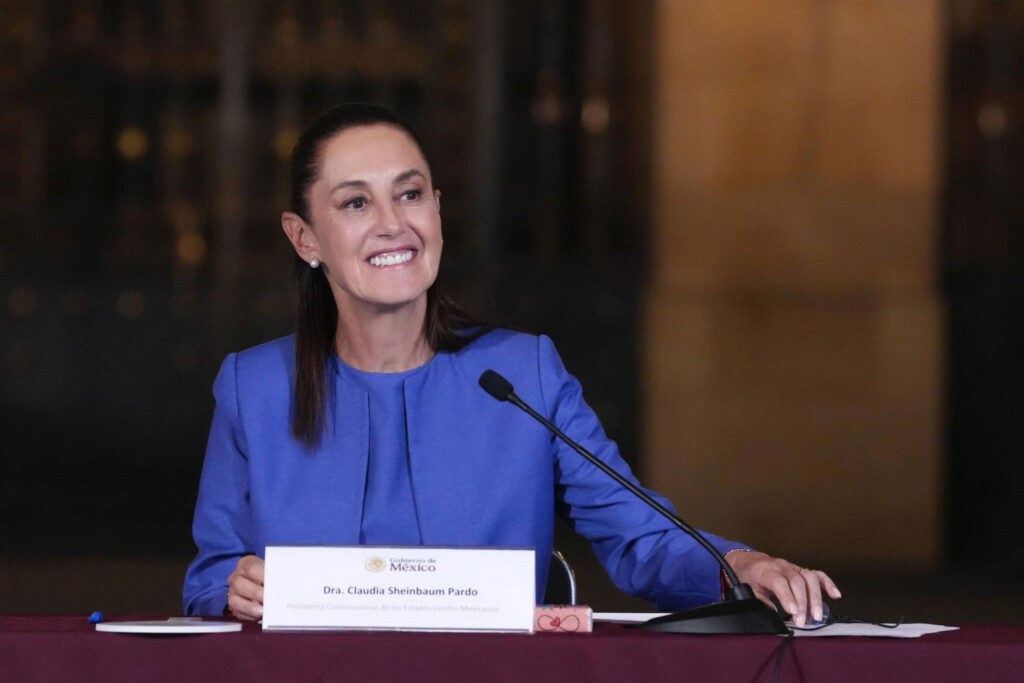
President Sheinbaum’s daily press conference, with comments on electoral reform, Barcelona reformist summit, electoral auditing, the economy, World Cup and former Michoacán governor Silvano Aureoles’ arrest warrant.