The Needed Debate on Mexico’s Informal Economy
This article by Alfredo Rada was originally published on December 4, 2025 at Contra Punto.
The notion of “informal economy” in conventional economic theories comes from the statistical field: it groups productive activities that escape the legal frameworks of the formal labor market — unregistered economic units, businesses not formally constituted, jobs without benefits or social protection, absence of contractual links, and in general a small scale of activity.
In Mexico, data from the Ministry of Labor and Social Welfare (STPS), while showing a relatively low unemployment rate (around 2.6–3%) according to the National Survey of Occupation and Employment (ENOE) of the National Institute of Statistics and Geography (INEGI), also indicate that in the country more than half of the employed population continues in informal conditions.
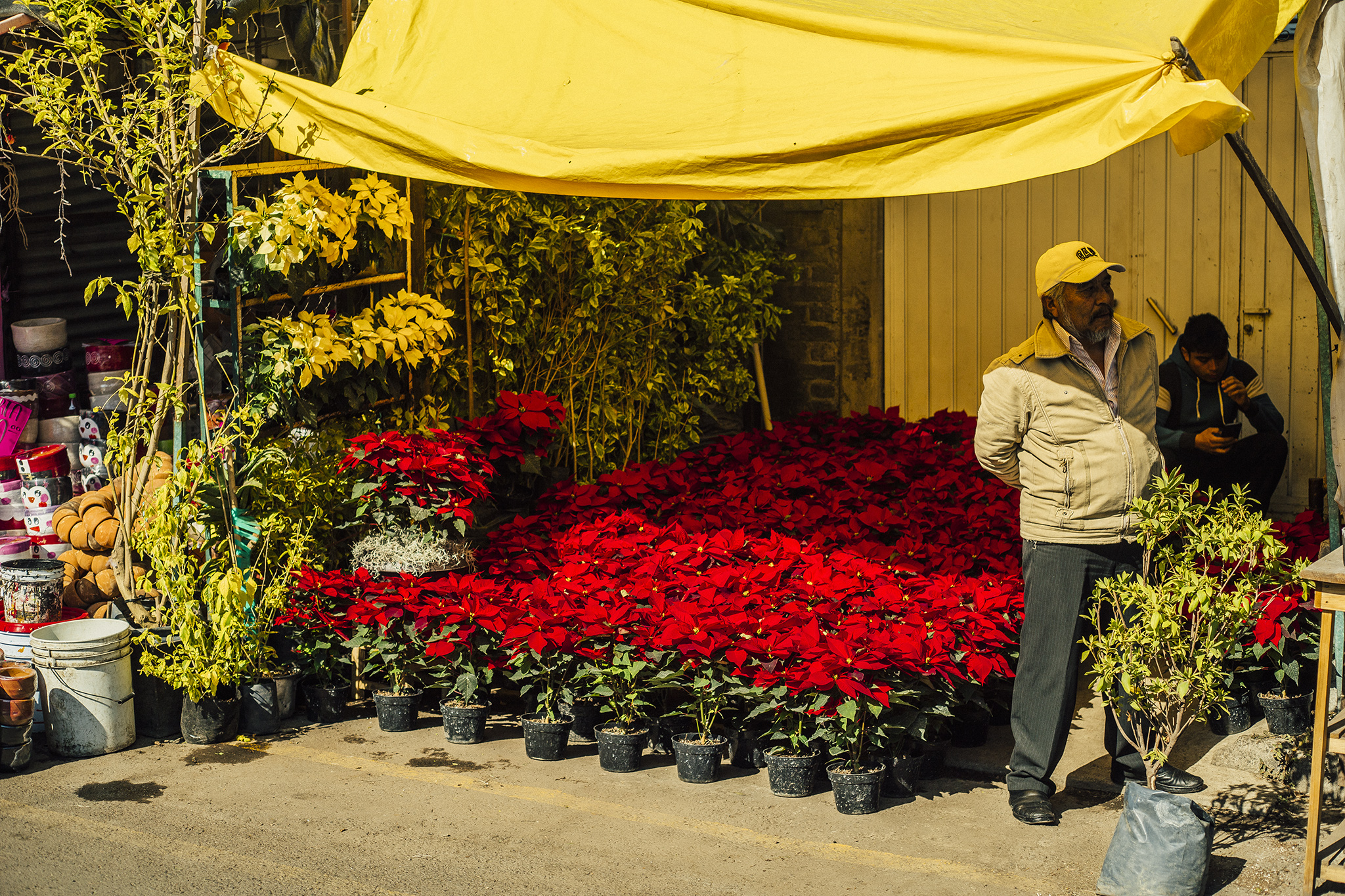
The so-called informal economy is estimated to have contributed 24.8% to the Gross Domestic Product (GDP) in 2023, while approximately 55% of the employed population works under unregulated conditions. This sector is not simply a labor “buffer” for the unemployed: it is a structural component of the national productive apparatus, comprised of micro-businesses, self-employed workers, retail trade, services, domestic work, subsistence farming, and urban entrepreneurship.
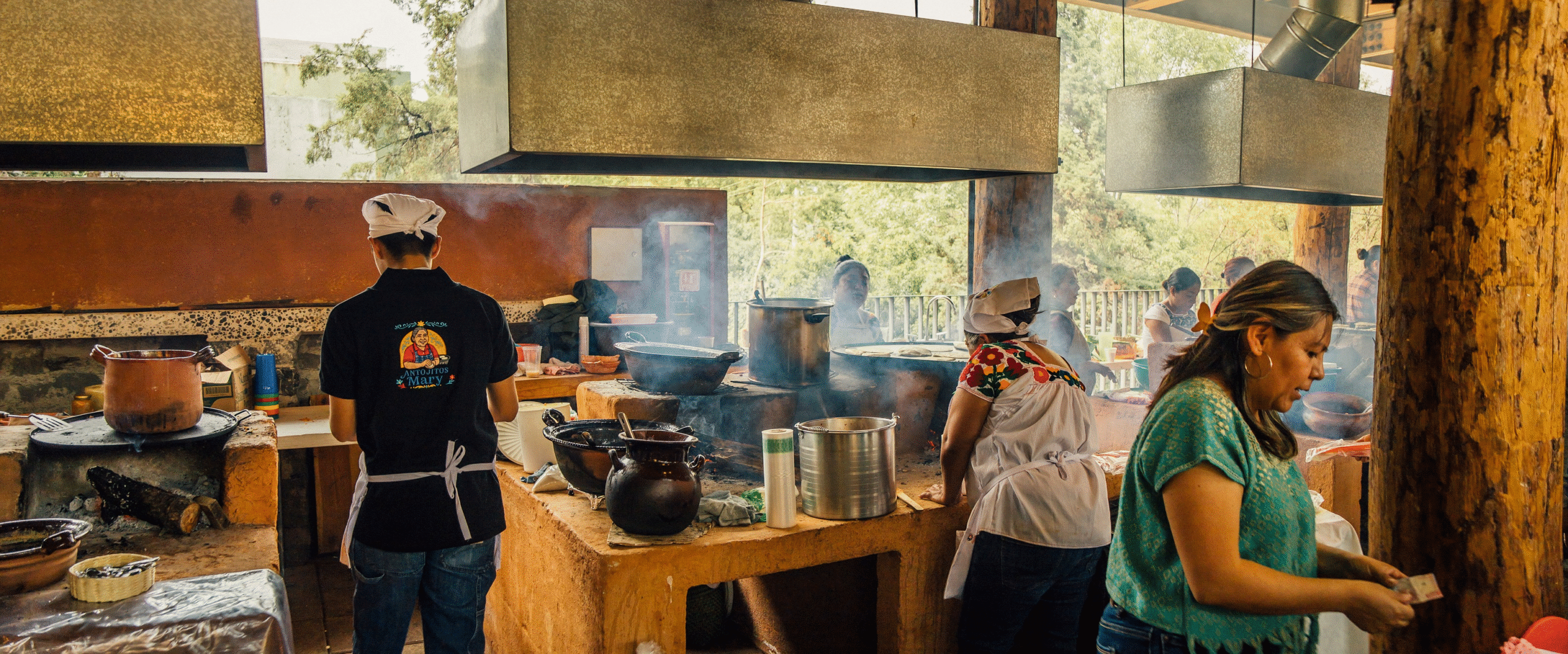
Although informality represents a source of income for millions of people, its conditions generally imply precariousness: jobs without benefits, without social security, with low incomes and vulnerable to economic or health crises.
Hence the legitimacy of the policies of the government led by Claudia Sheinbaum for this enormous segment of the workforce, facilitating their access to the health and pension systems, regulating benefits, and formalizing microbusinesses. But it is also worth asking whether the strategy should be geared towards “formalizing or eliminating” this vast sector, or whether it would be better to recognize its specific characteristics and redefine it from a broader and more empowering perspective.
It should not be forgotten that, in recent years, in Latin American countries such as Argentina, Colombia and Mexico, academics and social movements have questioned the formal/informal dichotomy, proposing a reinterpretation under the frameworks of the Popular Economy, the Social and Solidarity Economy, or the Community Economy.
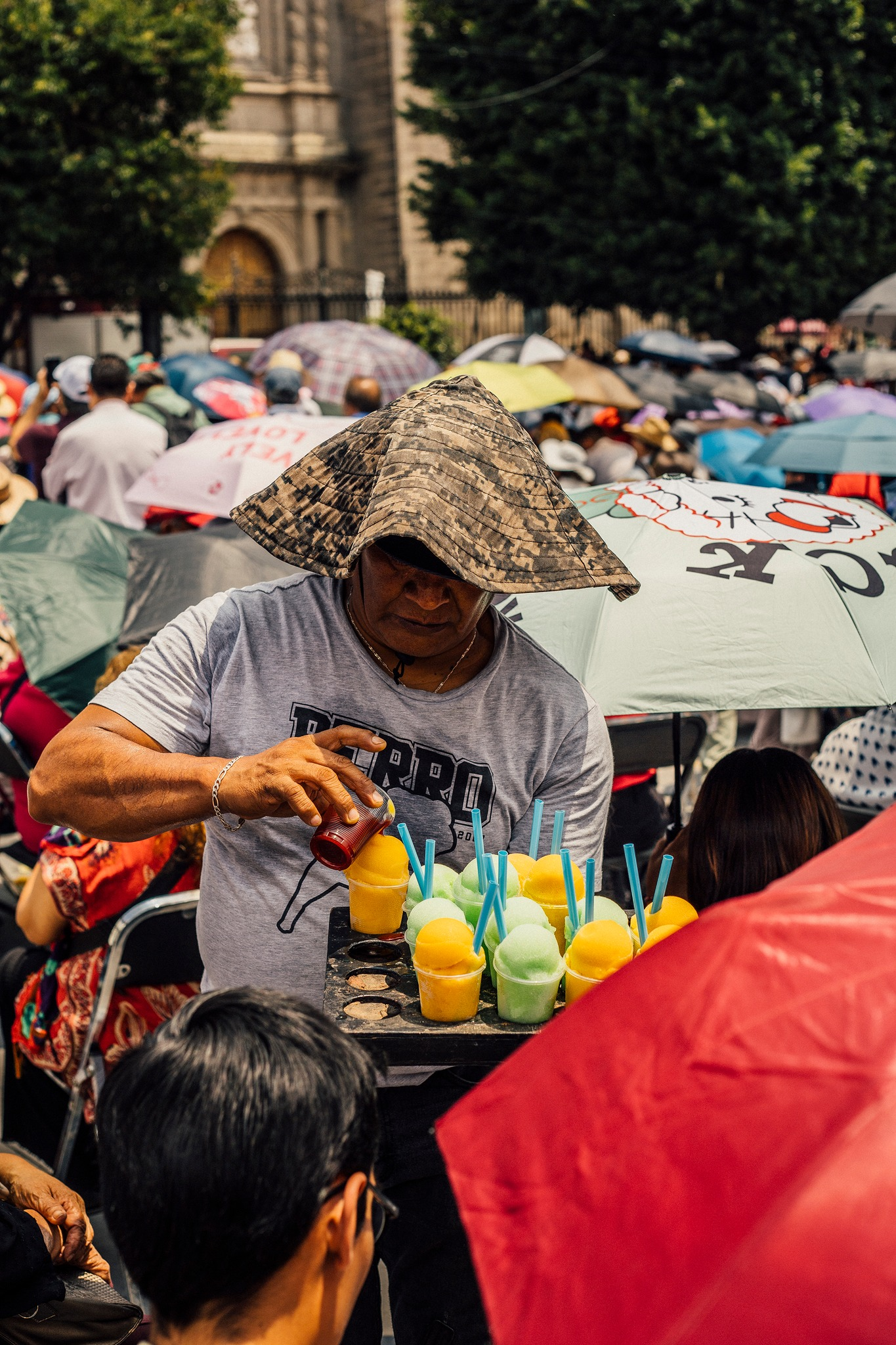
From this perspective, the Popular Economy (PE) is not simply informality or precariousness, but a diverse set of production of goods and services —sometimes for the market, other times for self-consumption— carried out by self-employed workers, small productive units, cooperatives, family or community enterprises, domestic economies, trades, care work, family farming, micro-enterprises.
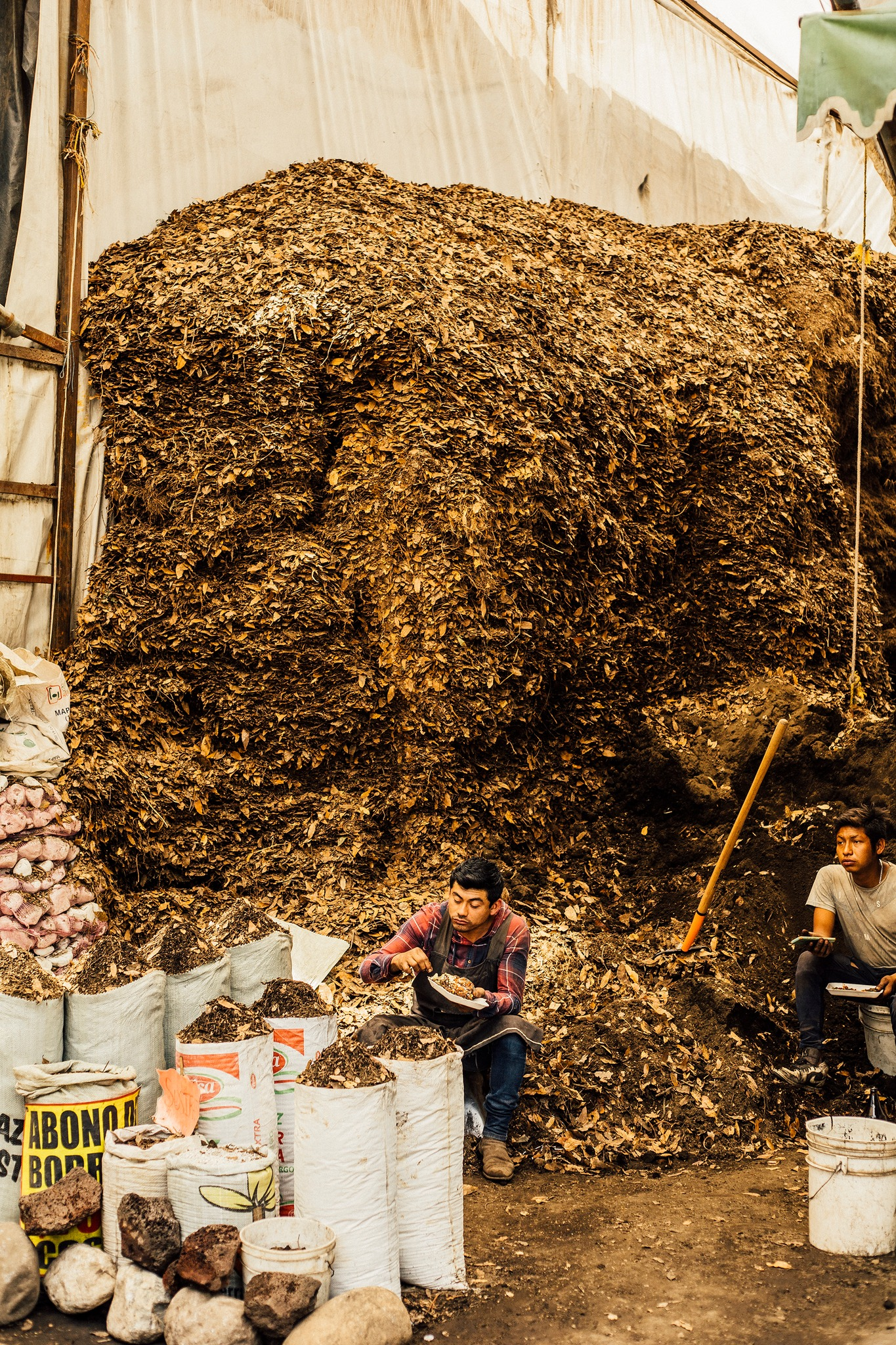
Moreover, PE – as part of a broader set of economic practices, such as community, feminist, agroecological, and social-solidarity practices – can offer a critique of the capitalist system, which is based on the logic of profit, competitiveness, and exploitation of labor, proposing instead an economy centered on the reproduction of life, equity, solidarity, and sustainability.
It is necessary to re-evaluate Mexico’s informal economy from the perspective of popular economy, because from this reinterpretation, at least three tasks can be established.
First, recognize that the informal economy is not just a “patch” for subsistence, but an essential economic actor: it contributes a quarter of GDP, supports micro-businesses, commerce, services, local production, and maintains economic life in multiple territories, especially where the formal economy does not reach.
Second, avoid viewing informality solely as a problem or an anomaly: many of these activities have social, community or subsistence meaning, and fulfill economic functions that formality does not absorb.
Third, design public policies not only for formalization, but also for recognition, social protection, productive support, self-management, and cooperation. This would allow for the dignified lives of millions of people without necessarily subjecting them to the rigid rules of capitalist formality, thus enabling a transition to a more pluralistic, diverse, resilient, and socially just economic model.
-
Sheinbaum Presents Draft Decree to Force Digital Platforms to Take Down Content That Incites Violence and Hate
No fines for now: the government will talk with tech companies before publishing the decree next week, a promise made after the Coahuila school attack.
-
People’s Mañanera October 9
President Sheinbaum’s daily press conference, with comments on digital safety, IMSS-Bienestar, sovereignty, and the opposition.
-
Mexico’s Gas Reserves Would Last Only 3 Days
Cenagas director Cuitláhuac García revealed Mexico has no gas storage and imports 75% of what it consumes, after a US supply cut exposed the risk.